

Top Experiences in Sapa
Beyond its cool climate and scenic roads, the true charm of this destination lies in its landscapes and cultural encounters, and any inspiring Sapa travel guide should focus on the experiences that make the region unforgettable. From terraced valleys to mountain summits, Sapa offers a balance of adventure and authenticity that appeals to both nature lovers and cultural explorers.
Trekking Through Rice Terraces
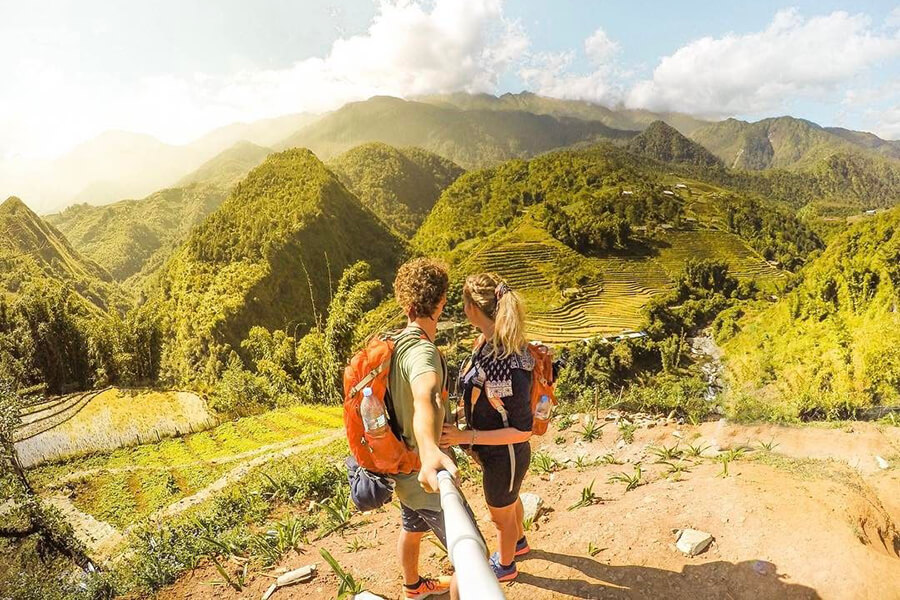
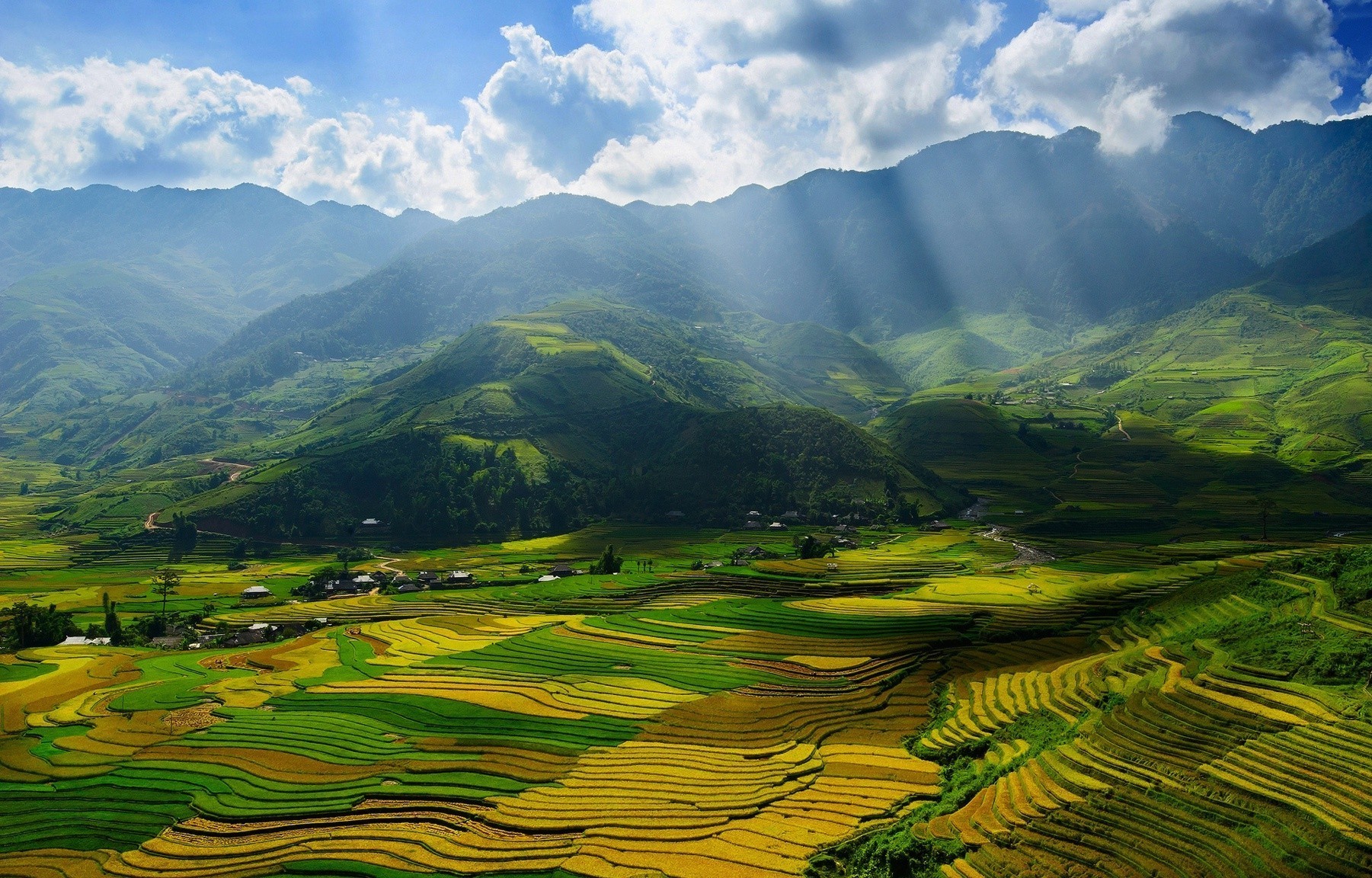
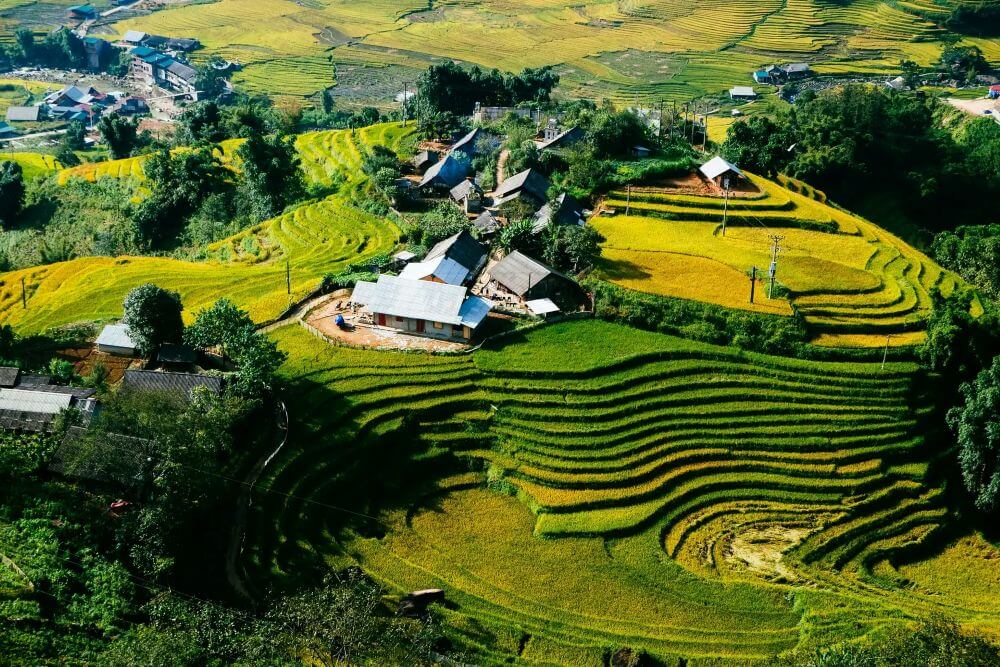
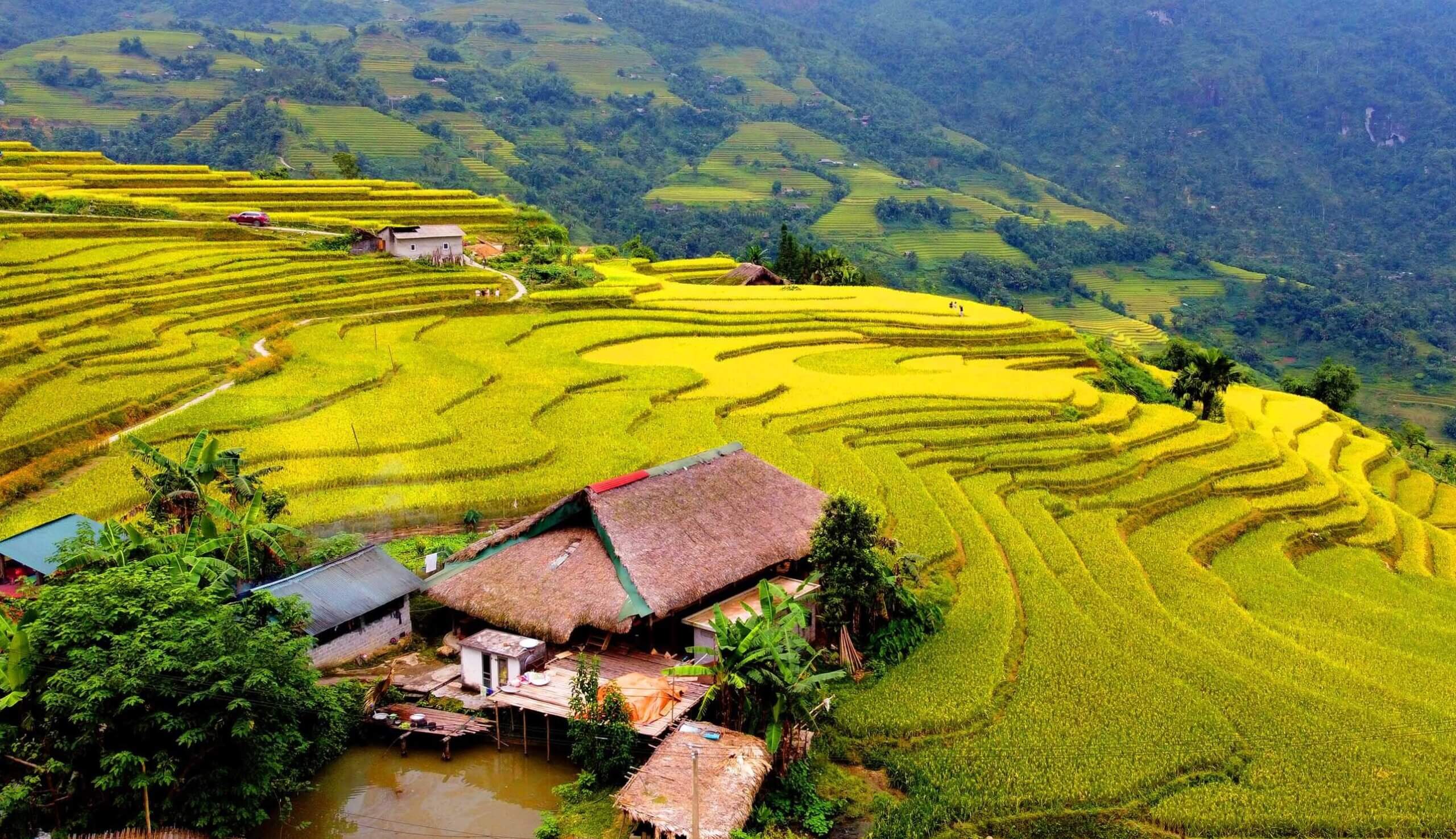
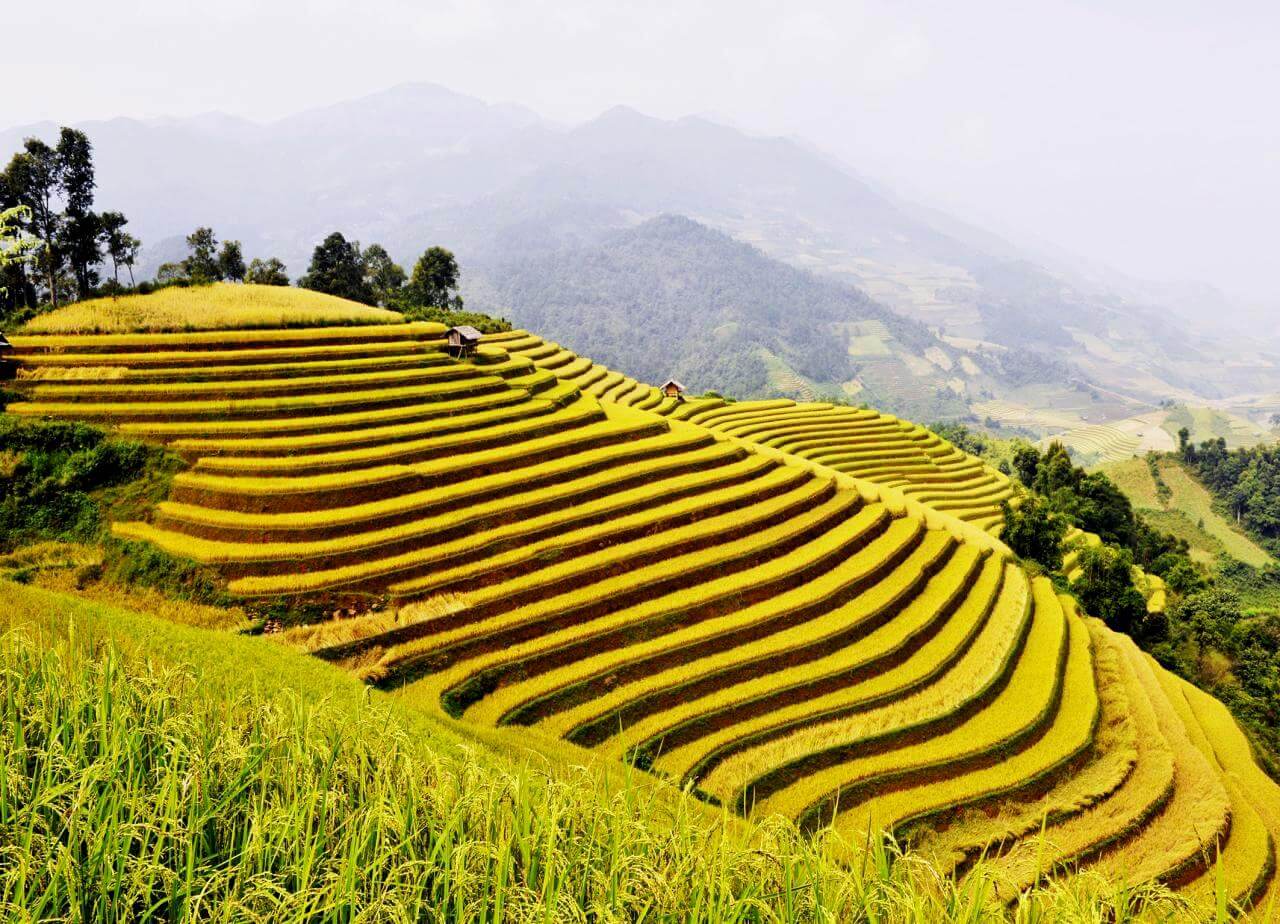
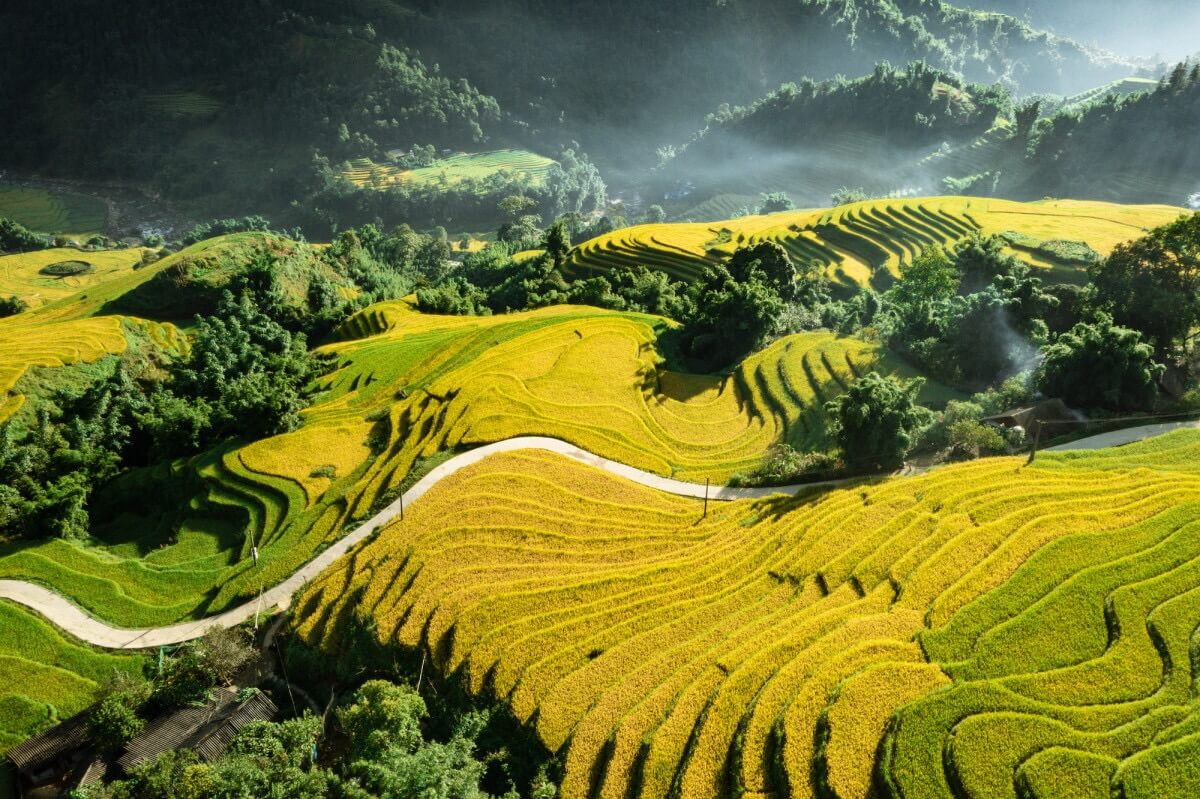
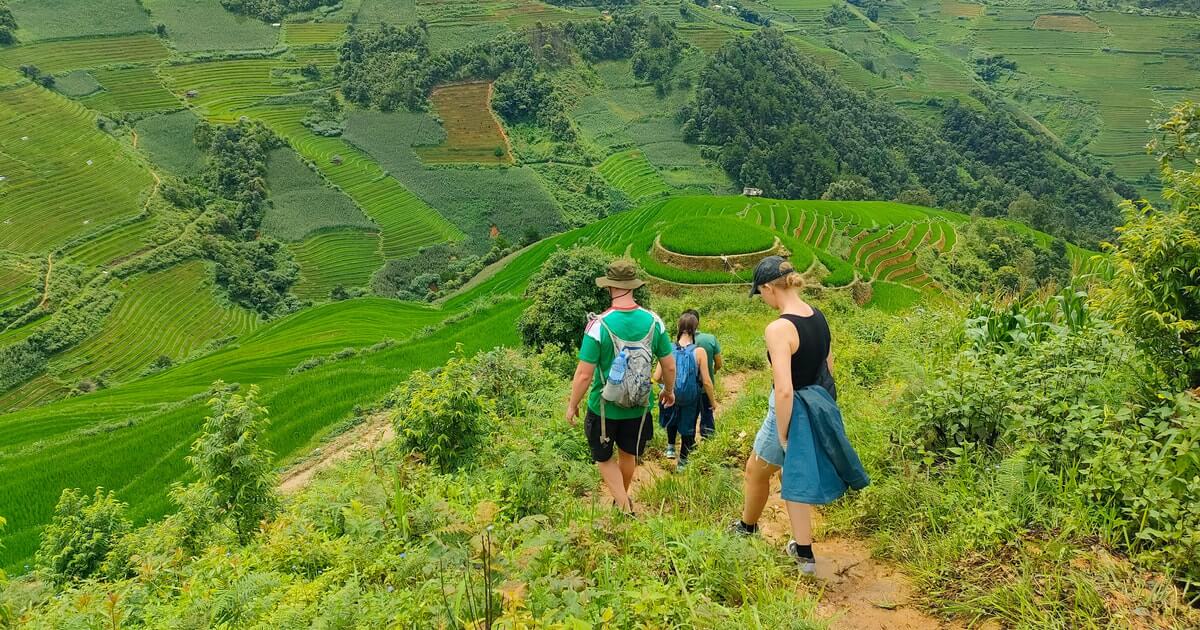
For many travelers, the highlight mentioned in every quality Sapa travel guide is trekking across the iconic rice terraces that cascade down the mountainsides. Walking along narrow dirt paths through Muong Hoa Valley allows visitors to witness daily life in rural villages while enjoying sweeping panoramic views that change color with the seasons.
These trails vary in difficulty, ranging from gentle half-day walks to multi-day journeys through remote hamlets. A practical Sapa travel guide often suggests choosing routes based on fitness level and weather conditions to ensure both safety and enjoyment.
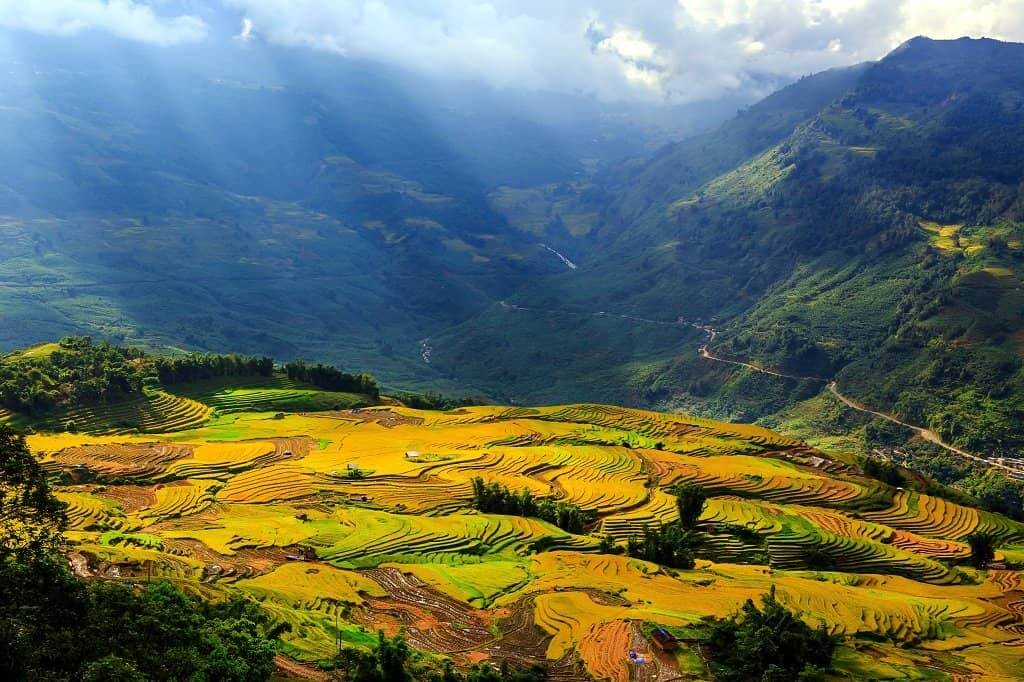
Muong Hoa Valley
Visiting Ethnic Minority Villages
One of the most meaningful things to do in Sapa is visiting villages inhabited by ethnic minority communities such as the Hmong, Dao, and Tay people. A culturally focused Sapa travel guide emphasizes respectful interaction, encouraging travelers to learn about traditional textiles, local farming practices, and community-based tourism initiatives.
Spending time in these villages offers insight into customs that have been preserved for generations. According to a thoughtful Sapa travel guide, homestay visits can provide a deeper connection to local life while supporting sustainable tourism efforts.
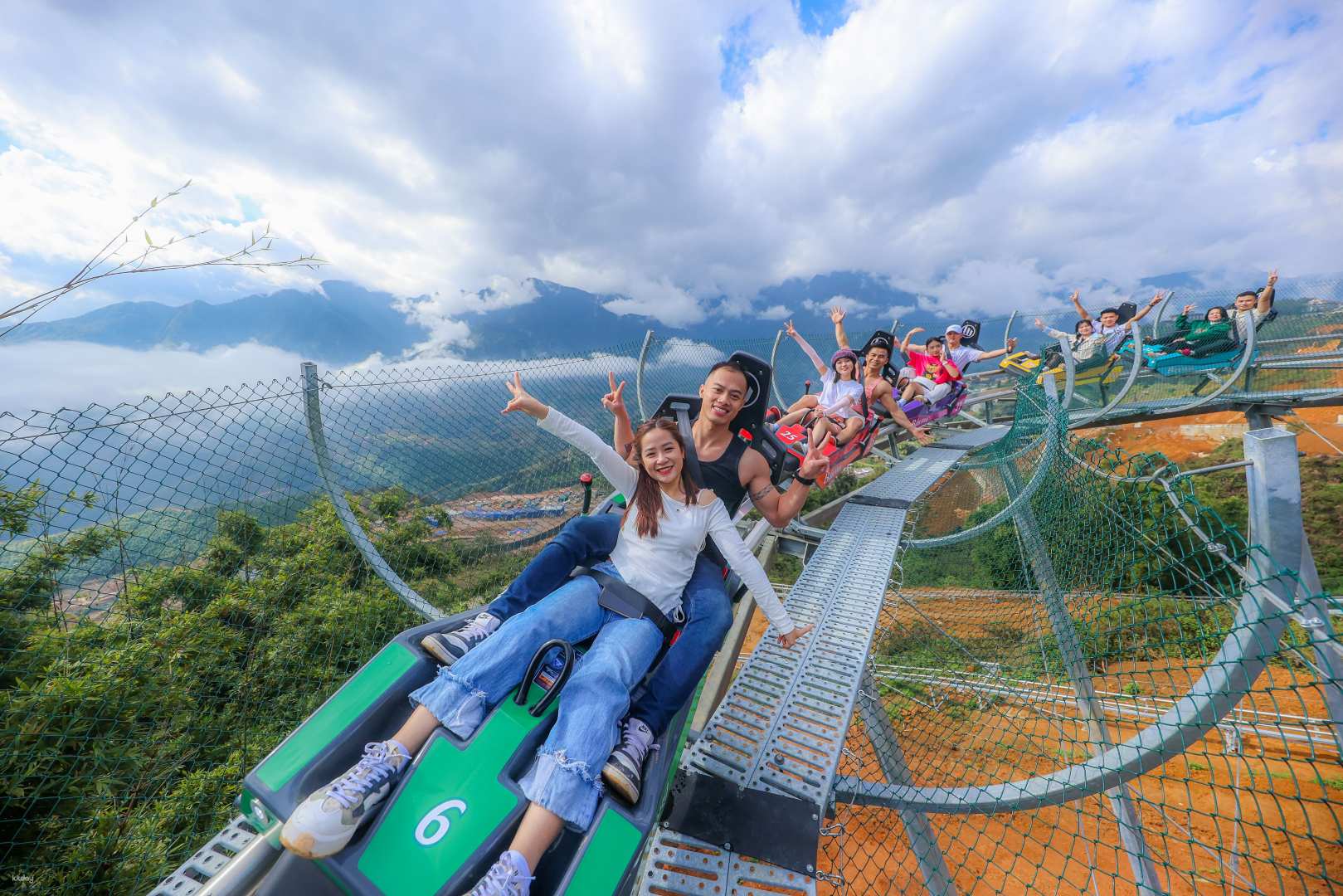
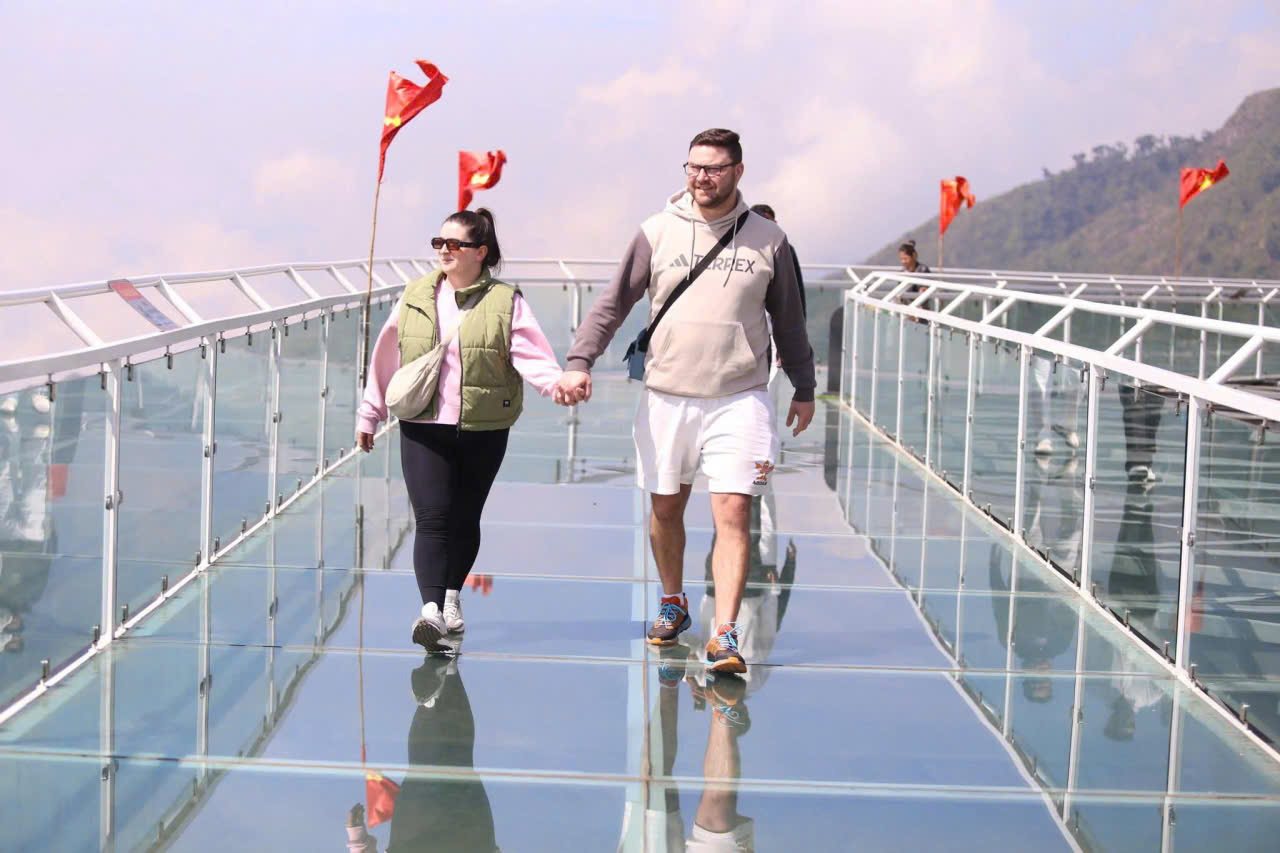
If you prefer a shorter experience, this Sapa Glass Bridge Half-Day Tour including Silver Waterfall and O Quy Ho Pass offers dramatic mountain views without requiring a full-day commitment.
Conquering Fansipan Peak
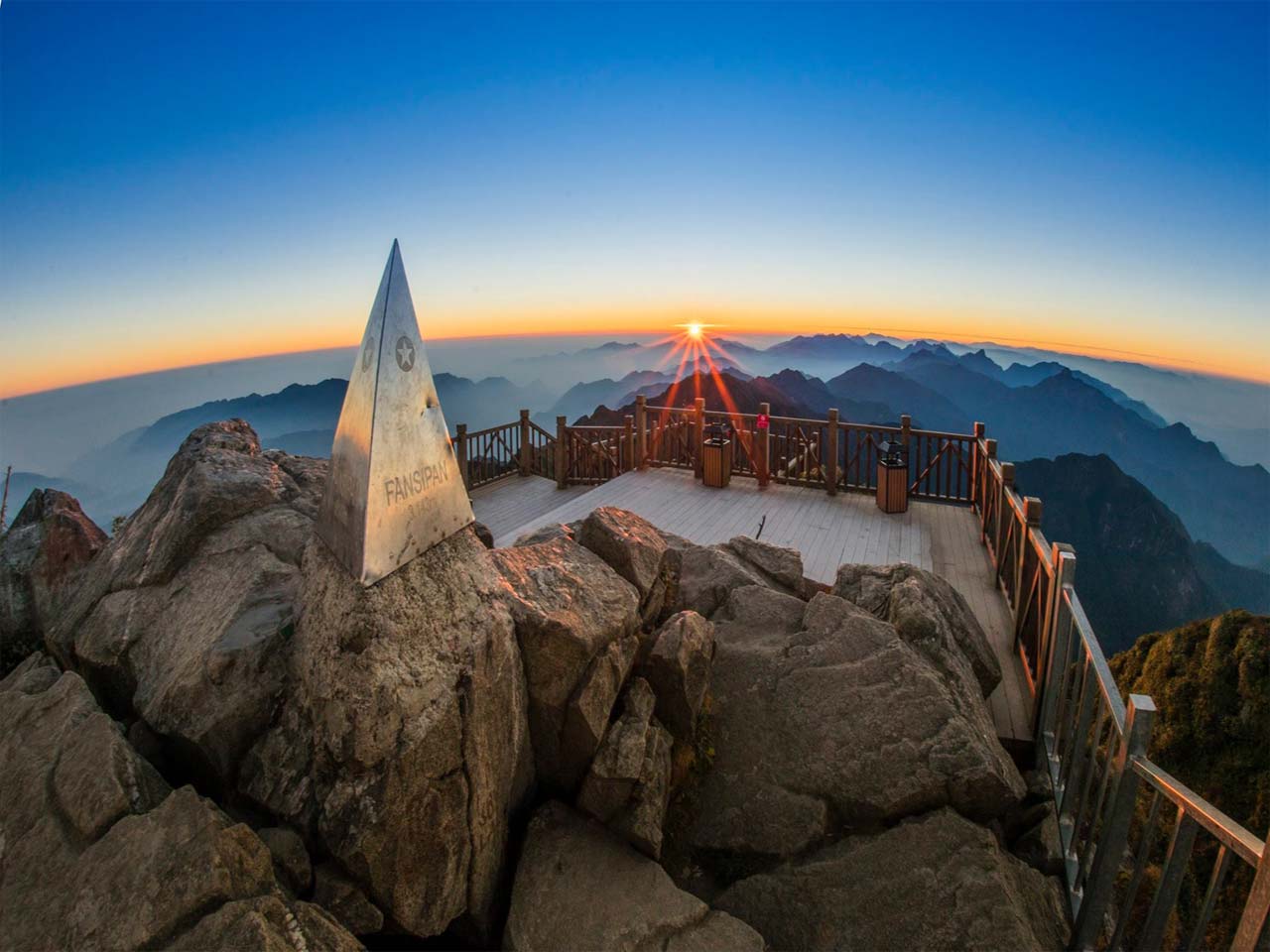
No mountain adventure section of a detailed Sapa travel guide would be complete without mentioning Fansipan Mountain Sapa, known as the highest peak in Indochina at 3,143 meters above sea level. Visitors can either take a scenic cable car ride to the summit or challenge themselves with a multi-day climb through dense forest trails.
Reaching the summit rewards travelers with breathtaking cloud-covered views and temple complexes near the top. An adventure-oriented Sapa travel guide typically recommends checking weather forecasts carefully, as visibility can change rapidly at higher elevations.
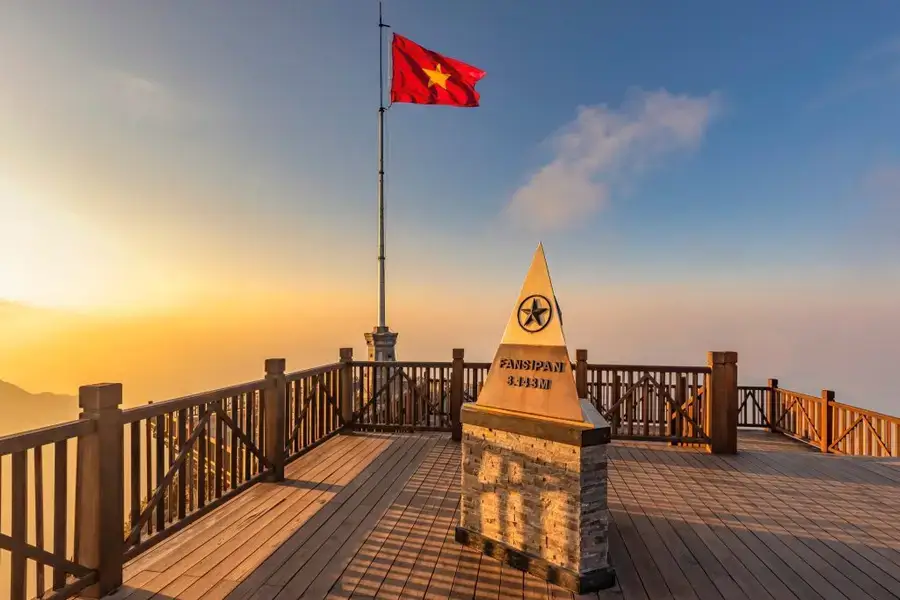
Summit marker of Fansipan surrounded by clouds
Local Markets & Cultural Encounters
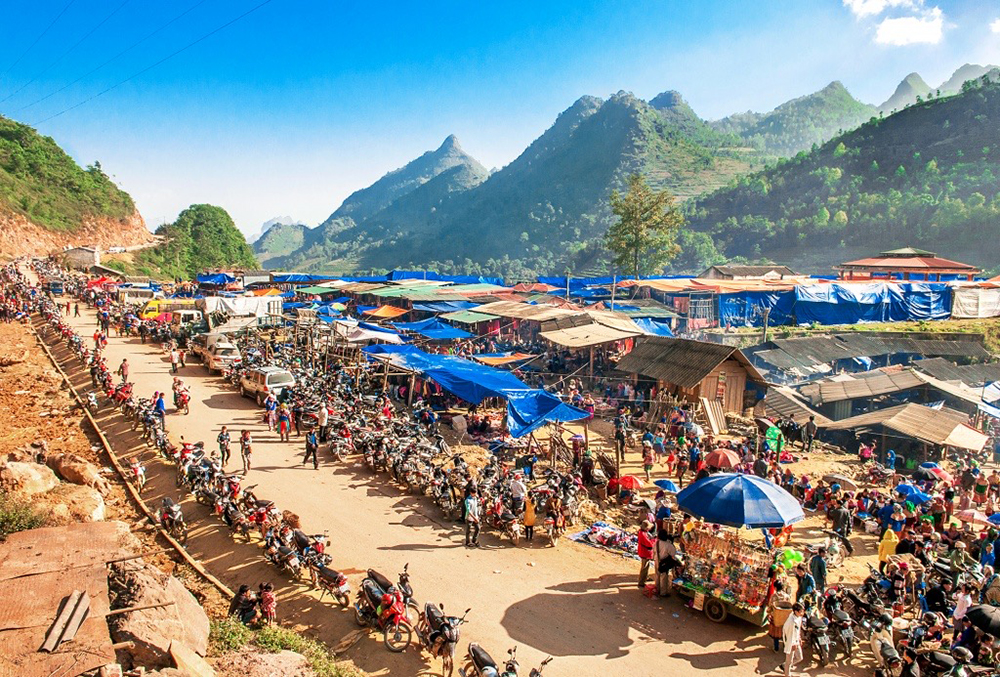
Exploring local markets is another essential experience featured in every immersive Sapa travel guide, where colorful handicrafts, fresh produce, and traditional clothing reflect the diversity of the region. Weekend markets in nearby areas often become vibrant gathering points for different ethnic groups.
Beyond shopping, these markets provide opportunities to observe traditional bargaining practices and sample regional snacks. A well-rounded Sapa travel guide encourages travelers to approach these interactions with curiosity and respect.
Suggested Three-Day Plan
For visitors with limited time, following a Sapa travel itinerary 3 days can help structure a balanced trip combining trekking, village exploration, and mountain viewpoints. A strategic Sapa travel guide often suggests dedicating the first day to exploring Sapa town, the second to trekking in the valley, and the third to visiting the summit or local markets.
Planning ahead ensures you experience both natural beauty and cultural richness without feeling rushed. A carefully designed Sapa travel guide helps travelers maximize their stay while still leaving room for spontaneous discoveries.
If you prefer a shorter experience, this Sapa Glass Bridge Half-Day Tour including Silver Waterfall and O Quy Ho Pass offers dramatic mountain views without requiring a full-day commitment.
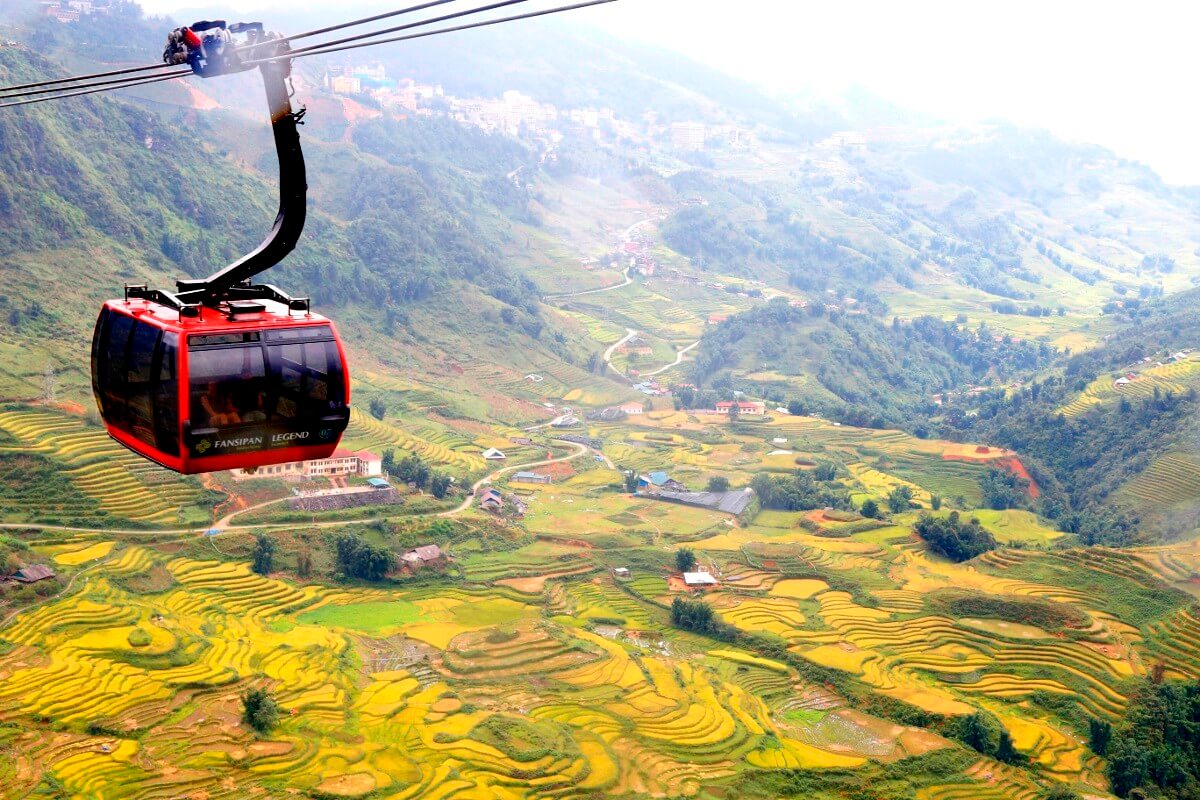
Three-day mountain itinerary combining trekking and scenic viewpoints
Trekking & Outdoor Adventures
Outdoor exploration is at the heart of the region’s identity, and any authentic Sapa travel guide should dedicate special attention to its trekking culture. Surrounded by layered mountains, bamboo forests, and terraced valleys, Sapa provides some of the most rewarding hiking experiences in Southeast Asia.
Popular Trekking Routes
From gentle countryside walks to challenging mountain ascents, a detailed Sapa travel guide typically categorizes trekking routes by difficulty level. Short half-day trails around nearby villages are ideal for beginners, while full-day hikes through Muong Hoa Valley offer longer scenic stretches with moderate elevation changes.
For those seeking deeper immersion, multi-day routes through remote hamlets allow overnight stays in traditional homes. A comprehensive Sapa often suggests researching trail conditions in advance, especially during rainy months when paths can become slippery.
Guided vs Independent Trekking
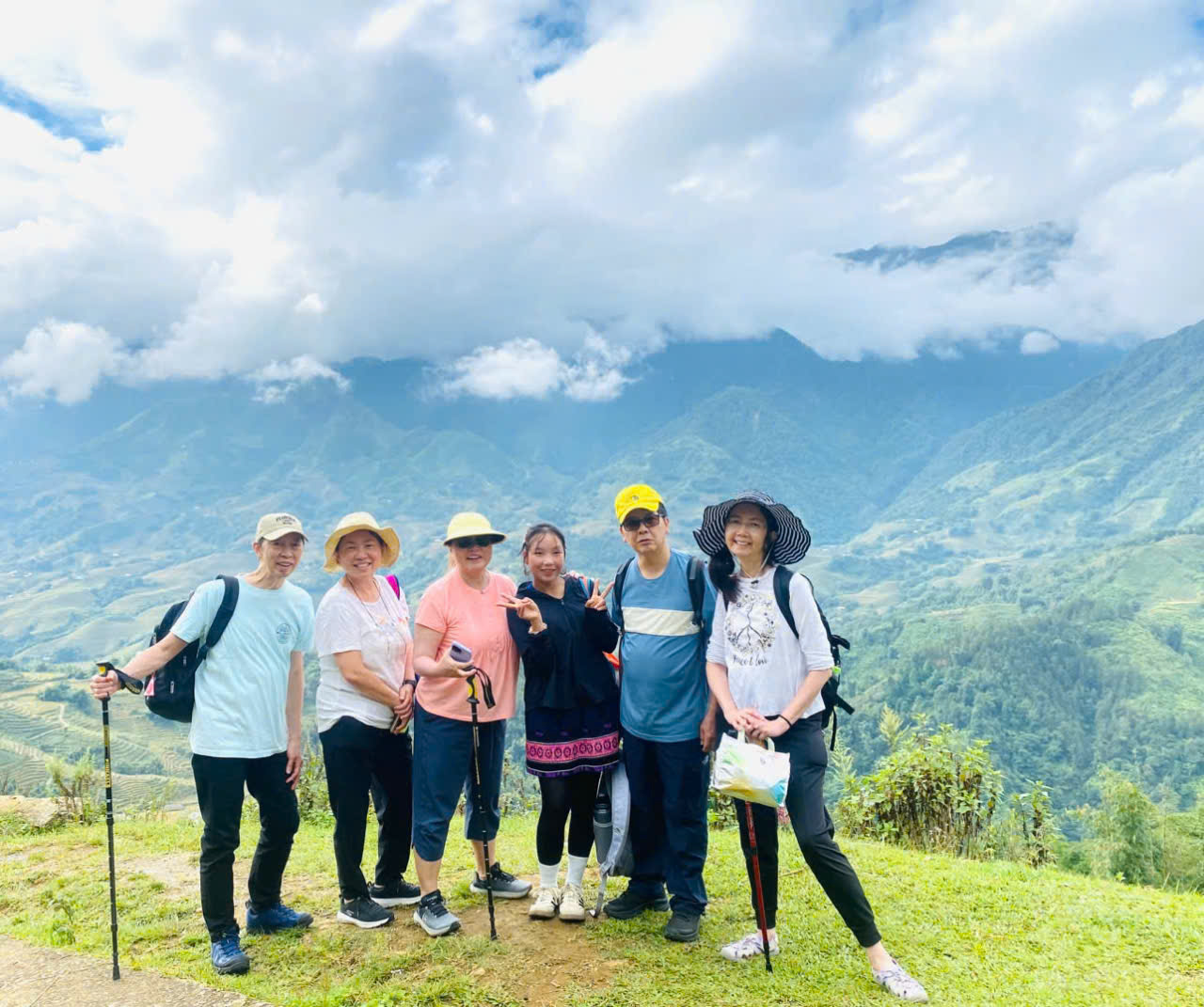
Many travelers consider joining Sapa trekking tours to gain local insight and logistical support while navigating unfamiliar terrain. A practical Sapa travel guide frequently recommends guided experiences for first-time visitors, as local guides not only ensure safety but also share cultural stories and hidden viewpoints that independent hikers might miss.
That said, experienced trekkers may choose to explore independently on well-marked routes near town. An informed Sapa travel guide encourages travelers to evaluate their physical condition, navigation skills, and weather conditions before deciding
Cost, Preparation & Safety Tips
Preparing properly is essential for a safe mountain adventure, and a responsible Sapa travel guide emphasizes suitable footwear, lightweight rain protection, and sufficient hydration. Even shorter routes involve uneven terrain, so sturdy hiking shoes are strongly recommended.
Costs vary depending on route length, guide services, and accommodation choices, but a transparent Sapa travel guide advises budgeting for entrance fees to certain villages as well as fair compensation for local guides. Planning ahead and respecting the natural environment will help preserve these trails for future visitors.

Traveler preparing backpack and hiking boots for mountain trek
Where to Stay in Sapa
Choosing the right accommodation can significantly shape your overall experience, and any practical Sapa travel guide should provide clear insight into the different areas and lodging styles available. From lively town-center hotels to peaceful valley retreats, Sapa offers options suitable for every travel style and budget.
Staying in Sapa Town Center
Most first-time visitors prefer to stay in the town center, and a detailed Sapa travel guide often recommends this area for its convenience. Here, you will find easy access to restaurants, cafes, local markets, and transportation services, making it ideal for travelers who want everything within walking distance.
Hotels in the center range from budget guesthouses to boutique properties with mountain-view balconies. A reliable Sapa typically suggests choosing accommodation slightly uphill for better panoramic views and quieter surroundings.
Valley Homestays & Local Experiences
For those seeking a more immersive cultural stay, valley homestays are frequently highlighted in any well-rounded Sapa travel guide. Located in areas such as Muong Hoa Valley, these accommodations allow visitors to wake up surrounded by rice terraces and traditional wooden houses.
Staying with local families provides opportunities to share meals and learn about daily life in rural communities. A thoughtfully written Sapa travel guide often emphasizes that this option supports community-based tourism while offering a more authentic atmosphere.
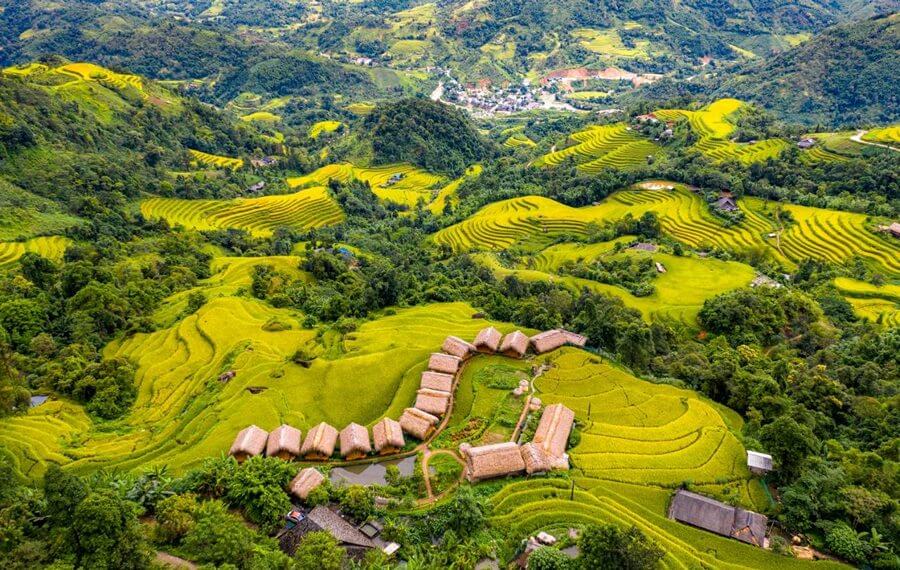
Wooden homestay surrounded by terraced fields
Luxury Resorts & Scenic Retreats
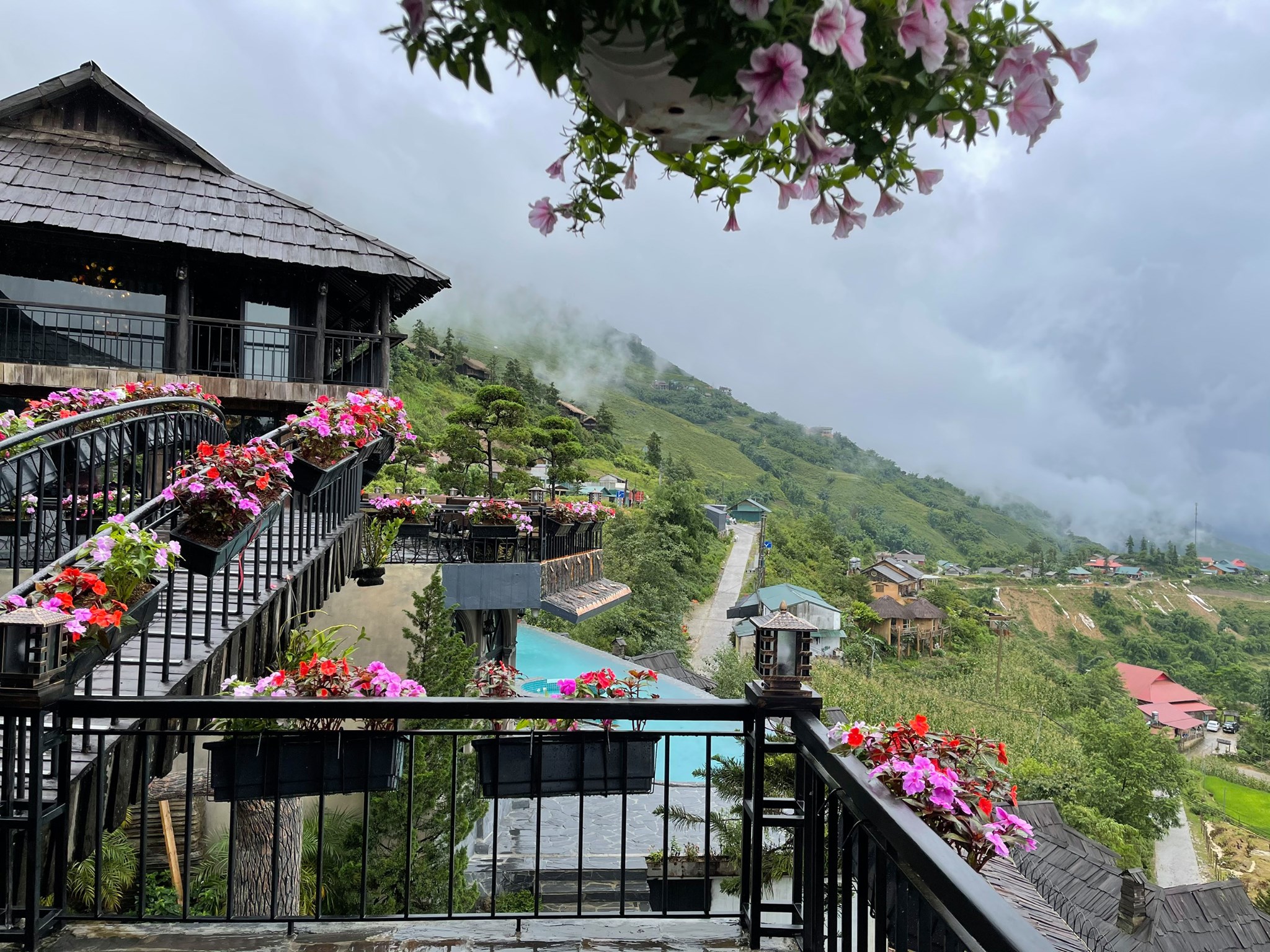
Travelers looking for comfort and exclusivity will also find high-end mountain resorts outside the busy town center. A premium Sapa travel guide usually recommends these properties for couples or families seeking spa services, infinity pools, and expansive mountain views.
Although prices are higher, the tranquility and service quality can elevate the overall experience. According to a comprehensive Sapa accommodation guide, booking early during peak harvest season is advisable, as the most scenic rooms tend to sell out quickly.
Local Food & Practical Travel Tips
Food plays an important role in the highland experience, and any culturally aware Sapa travel guide should introduce visitors to the region’s distinctive mountain cuisine. Influenced by ethnic minority traditions and cool-climate ingredients, Sapa’s dishes are hearty, flavorful, and perfectly suited to its weather.
Must-Try Local Dishes
One highlight often featured in a complete Sapa travel guide is Thắng Cố, a traditional Hmong stew made with slow-cooked meat and aromatic herbs. While its flavor may be strong for some travelers, it represents an authentic culinary tradition passed down through generations.
Another specialty commonly mentioned in a trusted Sapa travel guide is fresh salmon and sturgeon hotpot, made possible by the region’s cool mountain streams. Grilled skewers, sticky rice, and locally grown vegetables are also popular evening options, especially in the town’s bustling night food areas.
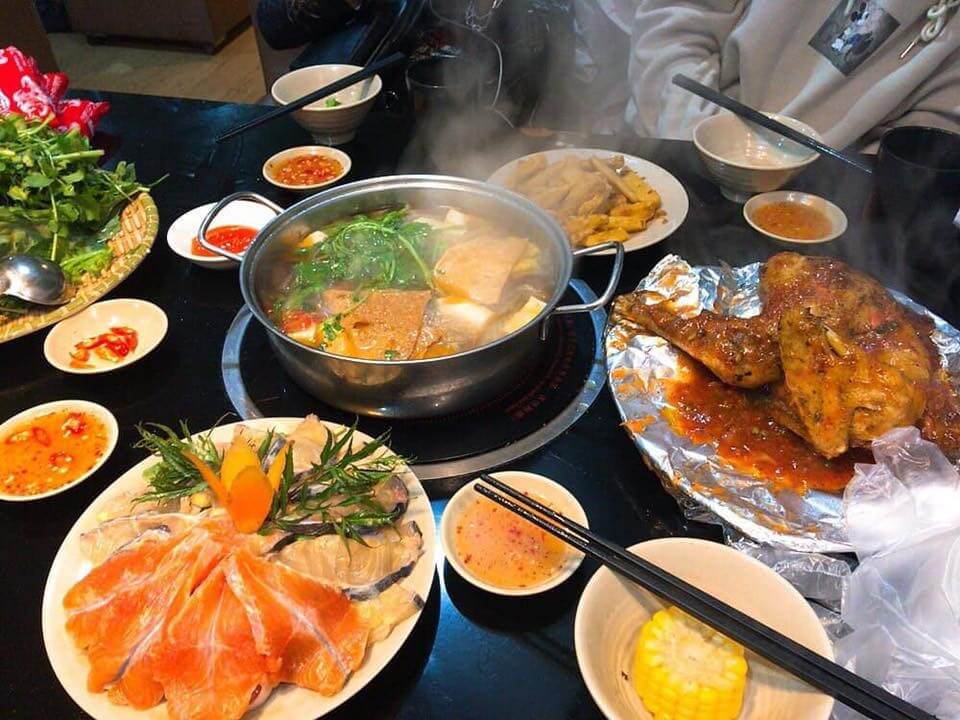
Salmon hotpot and grilled specialties from Sapa
Packing & Weather Preparation
Because of its elevation, temperatures can shift quickly throughout the day, and a practical Sapa travel guide always recommends packing layered clothing. Even during warmer months, evenings can feel cool, particularly after rain.
Comfortable walking shoes are essential, as exploring town streets and nearby trails often involves uneven terrain. A well-prepared Sapa travel guide also suggests carrying light rain protection, sunscreen, and a small daypack for excursions.
Cultural Etiquette & Responsible Travel
Respecting local customs is another key element emphasized in any responsible Sapa travel guide, especially when visiting ethnic minority villages. Asking permission before taking photographs and dressing modestly in rural communities helps create positive interactions.
Supporting local businesses by purchasing handmade textiles or booking community-based experiences is encouraged in a thoughtful Sapa travel guide, as it contributes directly to sustainable tourism and preserves traditional crafts.
Budget & Safety Advice
Managing expenses wisely can enhance your journey, and a balanced Sapa travel guide advises travelers to carry some cash, as smaller shops and remote villages may not accept cards. ATMs are available in town, but access can be limited outside central areas.
In terms of safety, Sapa is generally peaceful, yet a cautious Sapa travel guide recommends being mindful on slippery trails during rainy periods and keeping personal belongings secure in crowded market spaces. If you prefer reaching the summit comfortably, this Sapa Fansipan 2 Day Tour with Cable Car allows you to enjoy panoramic mountain views without a strenuous climb.

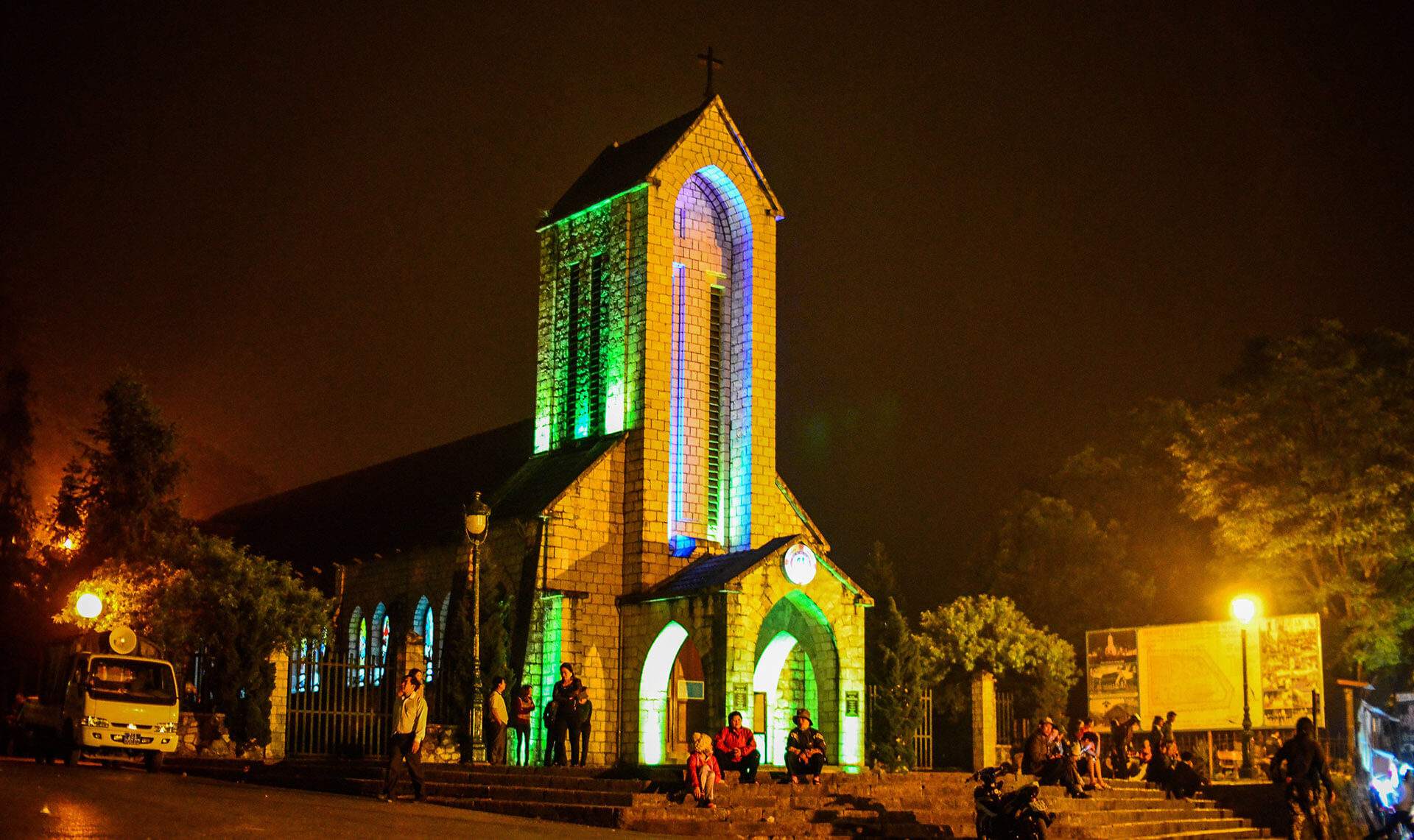
Evening stroll in Sapa town under cool mountain air
Conclusion
With its dramatic landscapes, rich ethnic culture, and rewarding trekking routes, Sapa remains one of Vietnam’s most captivating mountain destinations. A well-planned Sapa travel guide shows that this region offers the perfect mix of adventure, scenery, and authentic local experiences.
If you are ready to explore the terraces, villages, and peaks for yourself, connect with Sapa Local Tours for trusted local support and personalized itineraries. Start planning today and turn your mountain journey into an unforgettable experience.
Book your Sapa adventure with Sapa Local Tours today and experience the mountains with trusted local experts by your side.
Phone/WhatsApp: +84.878.256.777
Email: info@sapalocaltours.com
Add : No. 92-94 Trieu Viet Vuong Street, Hai Ba Trung Ward, Hanoi, Vietnam