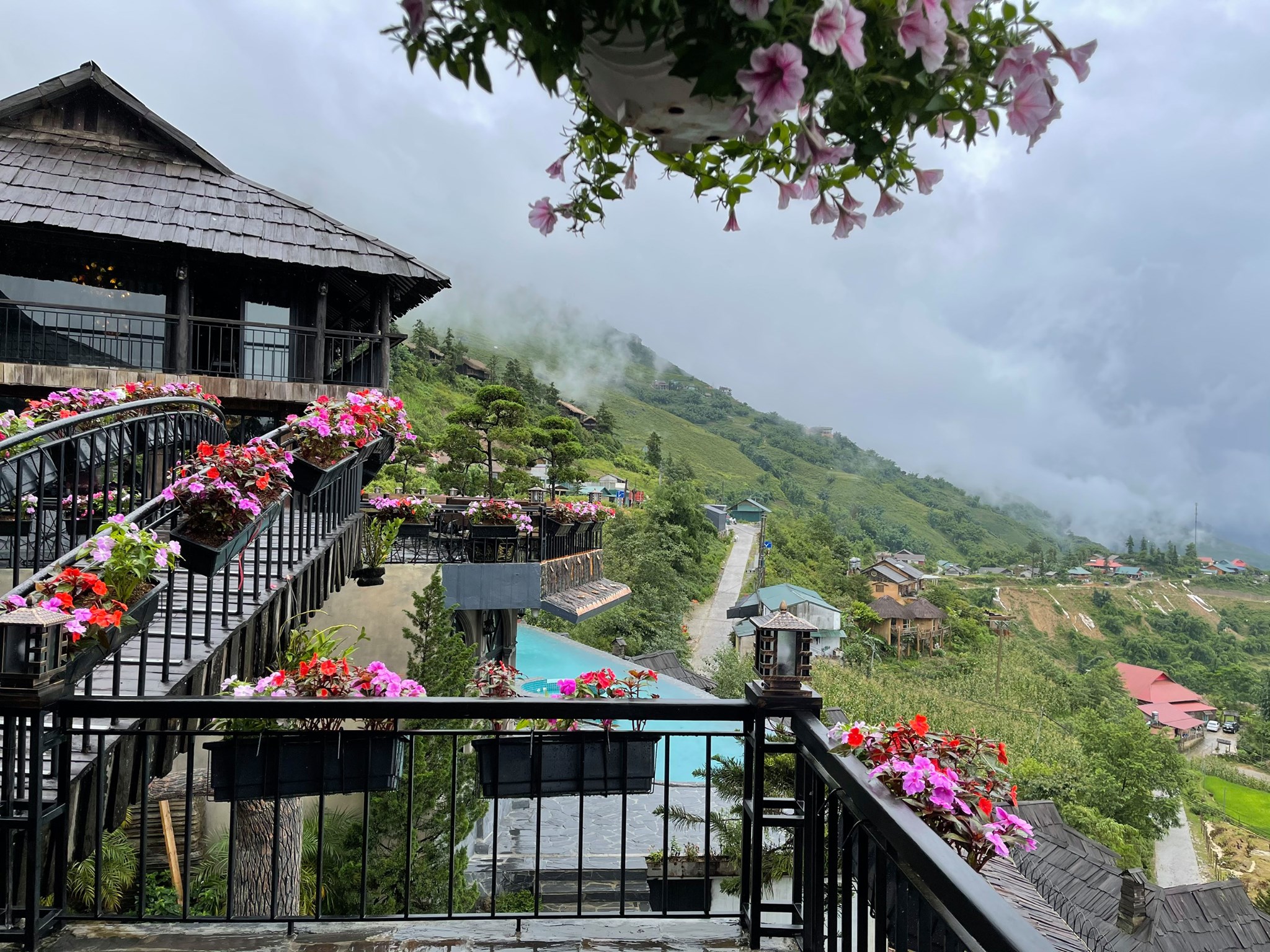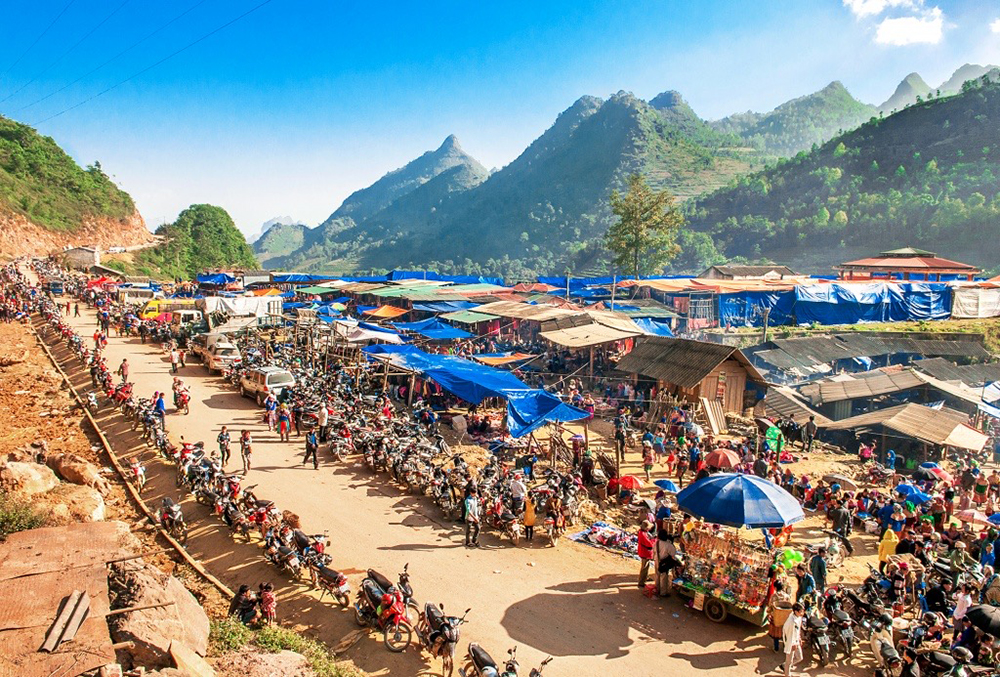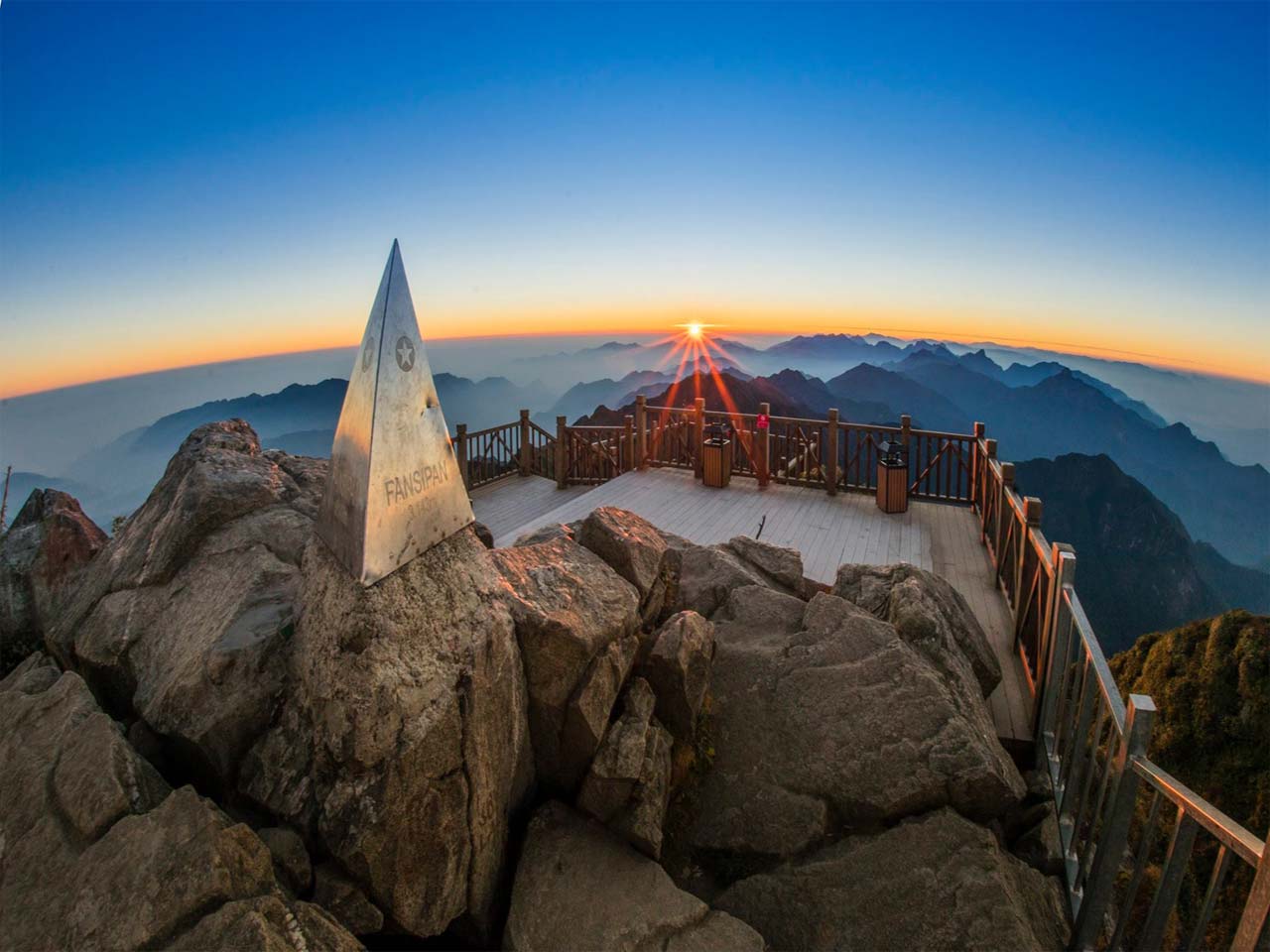
Sapa, located about 320 kilometers Northwest of Hanoi, is famous for its terraced rice fields, cool mountain climate, and rich ethnic culture. If you are wondering how to go to Sapa, choosing the right transportation option will shape your entire travel experience. In 2026, modern highways and improved services make the journey faster and more comfortable than ever. Travelers can reach Sapa by train, bus, limousine van, or private car, depending on their budget and preferences. To simplify planning, many visitors turn to reliable local experts like Sapa Local Tours for updated schedules, ticket assistance, and personalized advice before starting their adventure.

Panoramic view of Sapa town surrounded by mountains
How to Travel from Hanoi to Sapa
For most travelers, the journey begins in Hanoi, and understanding how to go to Sapa from the capital is the first step in planning a smooth trip. With upgraded highways and better services in 2026, reaching the mountains is now faster and more comfortable than ever. Depending on your schedule and budget, you can choose between train, bus, limousine van, or private transport. If you are staying multiple days, multi-day trekking programs such as the Sapa 3 Days 2 Nights Trekking Fansipan Tour can help you maximize your time once you arrive.
Traveling by Overnight Train
One traditional option is the Hanoi to Sapa train, which runs overnight from Hanoi to Lao Cai Station before a short transfer to Sapa town. For travelers researching how to go to Sapa while saving daytime hours, this option allows you to depart in the evening and arrive early the next morning.
Cabins range from standard soft sleepers to more private and premium compartments. While the ride may not be completely silent, many visitors appreciate the nostalgic atmosphere and the convenience of overnight travel.
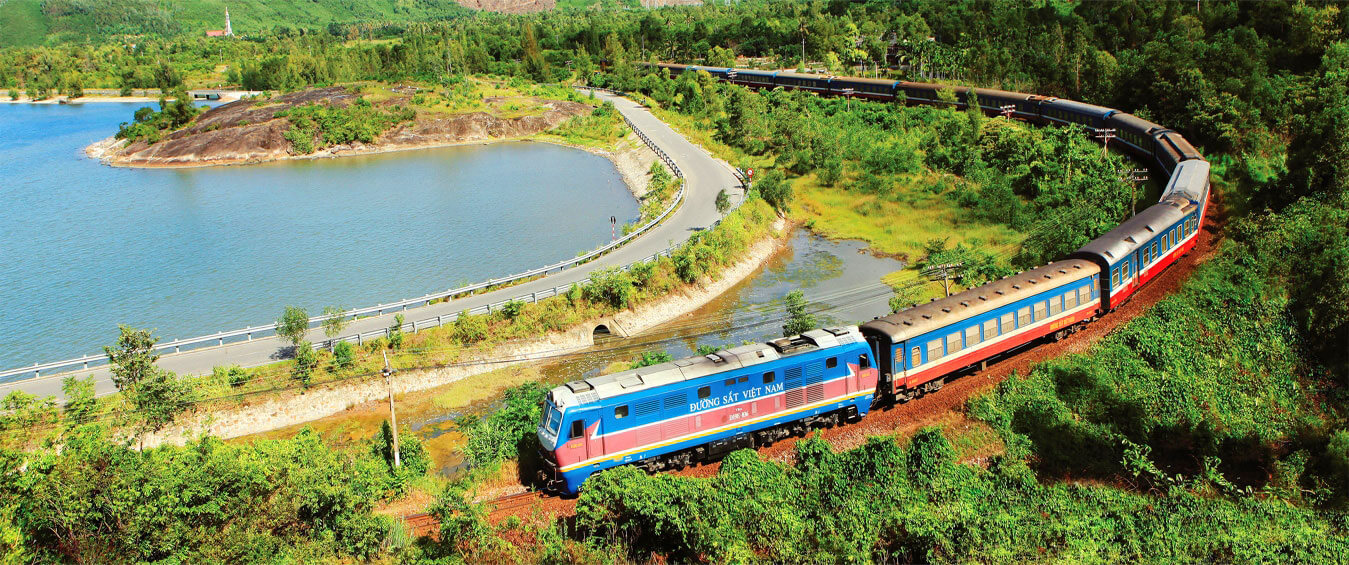
Vietnam railway passing through mountain scenery
Sleeper and Express Buses
Taking a Hanoi to Sapa bus is often the most budget-friendly and direct method. If you are considering how to go to Sapa with minimal transfers, express buses travel straight to Sapa town via the modern Noi Bai–Lao Cai Expressway in about five to six hours.
Sleeper buses offer reclining beds and air conditioning, while daytime coaches allow you to enjoy countryside views. Those sensitive to winding mountain roads should prepare for curves near the final stretch.
Limousine Vans for Extra Comfort
For added comfort, the Hanoi to Sapa limousine service provides a quieter and more spacious experience. Travelers exploring how to go to Sapa in a more relaxed way often prefer these 9–11 seat vans with hotel pick-up and direct drop-off in town.
Although slightly higher in price, limousine vans balance speed, comfort, and convenience, making them popular among couples and families.
Private Car or Motorbike Adventure
A private car offers flexibility in departure time and rest stops, ideal for families or groups with specific schedules. If you are deciding how to go to Sapa with full control over your itinerary, this option provides the most freedom.
Motorbike travel, on the other hand, suits experienced riders who want to enjoy dramatic mountain scenery. However, weather conditions and road safety should always be carefully considered before choosing this adventurous route.
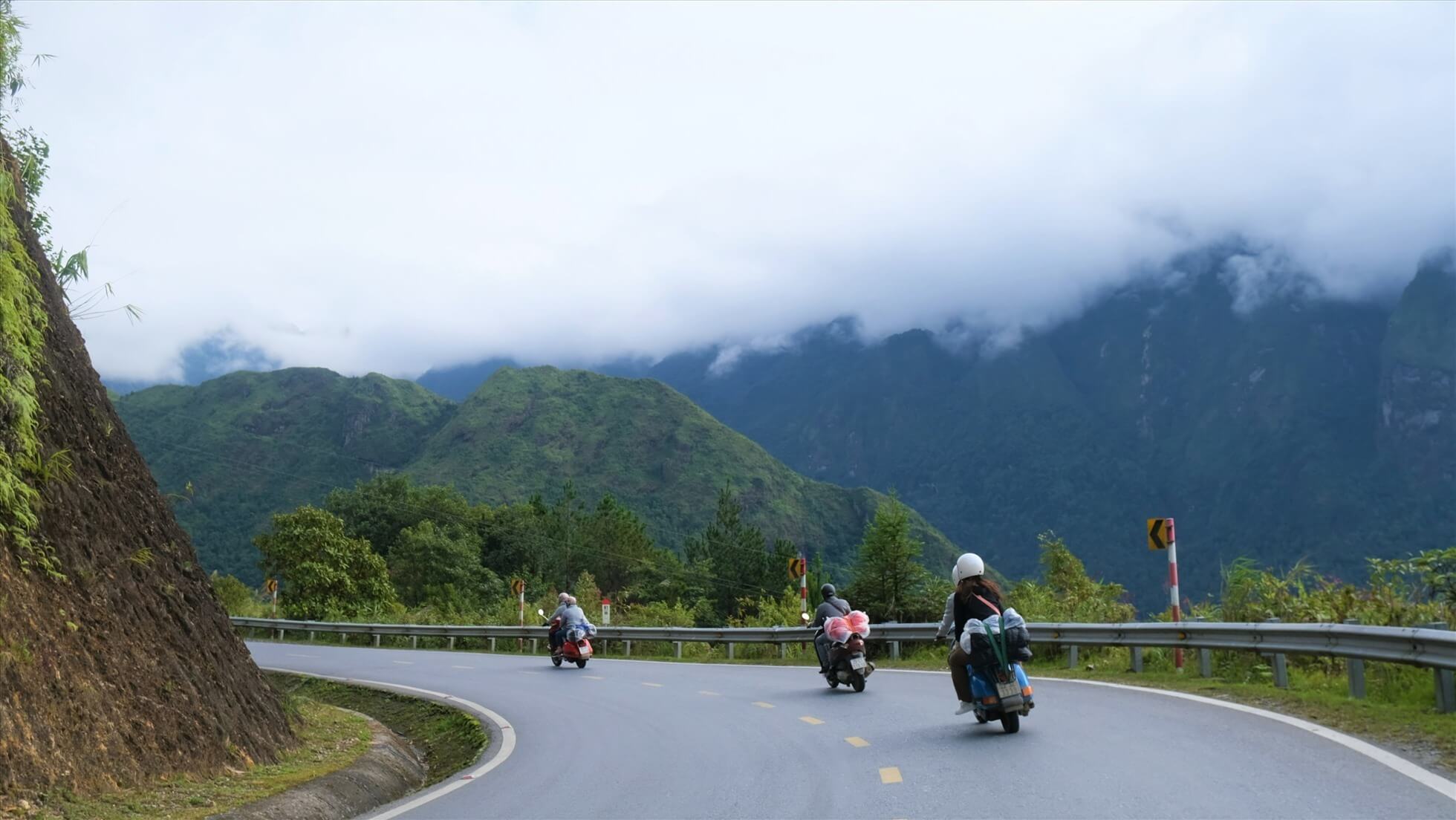
Motorbike rider crossing a mountain pass in Northern Vietnam
Comparing Transportation Options
Choosing how to go to Sapa depends largely on your travel style, budget, and expectations for comfort. While all options depart from Hanoi and take roughly five to eight hours depending on the method, the overall experience can feel very different. Once you arrive in town, short structured experiences such as the Sapa Fansipan 2 Day Tour Cable Car can help optimize your schedule, especially for visitors with limited time.
Travel Time and Convenience
Speeding is your priority, express buses and limousine vans are generally the fastest, averaging around five to six hours via the modern highway. Overnight trains take longer due to the transfer from Lao Cai, but they allow you to sleep during the journey and save valuable daytime for exploration. Private cars offer similar travel time to buses but provide flexibility in rest stops and departure times, which can be helpful for families or small groups.
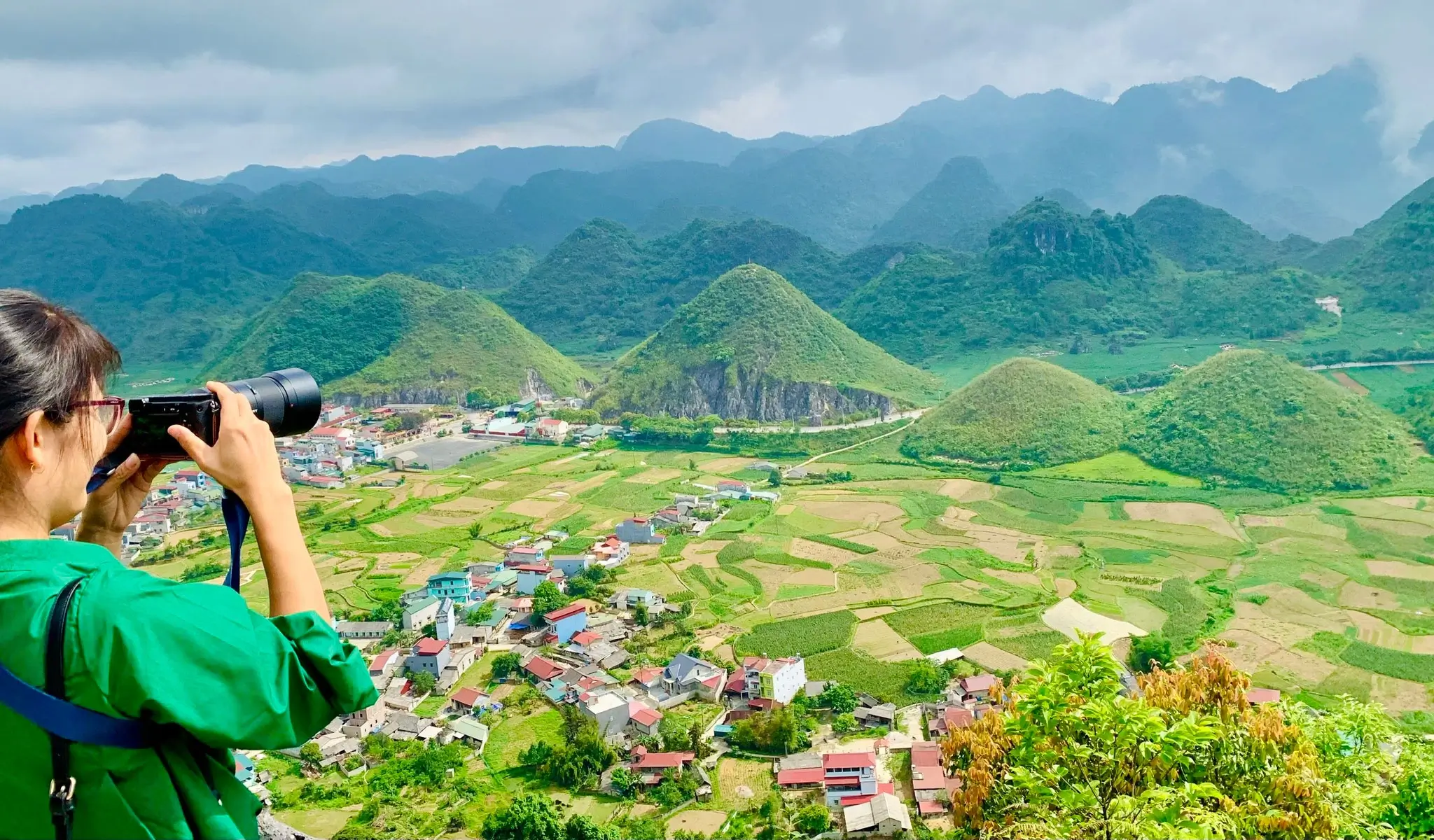
Travel Time and Convenience
Cost Comparison
Budget travelers researching how to go to Sapa often choose sleeper buses, as they are typically the most affordable option. Train tickets vary depending on cabin class, with premium compartments costing more than buses. Limousine vans fall in the mid-to-upper price range, offering improved comfort without the full expense of a private vehicle. Private car services are usually the most expensive but provide privacy and convenience, especially for groups splitting the cost.
Comfort and Travel Experience
When comfort is the deciding factor in how to go to Sapa, limousine vans and private cars stand out for spacious seating and quieter environments. Sleeper buses provide reclining beds but may feel less private during peak season. Trains offer a nostalgic atmosphere and stable ride, though cabin quality can differ between operators.
Ultimately, the best way to travel to Sapa depends on whether you prioritize budget, convenience, privacy, or overall experience. Each option serves a different type of traveler, and understanding these differences helps you make an informed choice.

How to go to Sapa
Getting to Sapa from Other Cities
Although Hanoi is the main gateway, many travelers planning how to go to Sapa begin their journey in other popular destinations across Vietnam. Fortunately, modern highways and connecting transport services make the mountain town accessible from several major tourist hubs.
From Ha Long Bay
If you are staying in Ha Long Bay and researching how to go to Sapa afterward, the most practical option is a direct bus or a transfer back to Hanoi before continuing North. Direct buses take approximately eight to nine hours, depending on traffic and road conditions. While longer than departing from the capital, this route allows you to connect two iconic destinations without unnecessary backtracking.
From Ninh Binh
Travelers in Ninh Binh who are deciding how to go to Sapa can choose between direct limousine services or returning to Hanoi first. Direct routes typically take around seven to eight hours and operate daily. This is a convenient option for those exploring Northern Vietnam in a loop, saving both time and an extra overnight stay in the capital.

Vietnam map highlighting Sapa location
From Ho Chi Minh City
For visitors starting in Southern Vietnam, understanding how to go to Sapa requires an additional domestic flight. The most efficient method is flying from Ho Chi Minh City to Hanoi, then continuing by train, bus, or private transfer. While the journey is longer, combining air travel with ground transport keeps the total travel time manageable.
Many first-time visitors compare these options, as the capital still offers the widest range of departures and the most frequent daily services. For flexibility and scheduling convenience, Hanoi remains the most straightforward transit point before heading into the mountains.
Essential Travel Advice for 2026
Planning how to go to Sapa is not only about choosing transportation, but also about understanding timing, weather, and seasonal demand. In 2026, increased tourism means better services but also higher competition for tickets during peak months.
Booking in Advance
When deciding how to go to Sapa, booking your tickets at least three to five days in advance is recommended, especially during spring (March–April) and autumn (September–October). These are the most scenic months, when rice terraces are either lush green or golden before harvest. Weekend departures often sell out quickly, so early reservations can help secure better seat options and prices.

Curvy mountain road in Northern Vietnam
Weather and Road Conditions
Weather plays an important role in how to go to Sapa safely and comfortably. From May to August, occasional heavy rains may affect mountain roads, while winter months (December to February) can bring fog and low temperatures. Although highways are modern and well maintained, the final stretch into Sapa still includes winding mountain passes where visibility can change rapidly.
Managing Motion Sickness
For travelers sensitive to curves and elevation changes, preparing in advance is essential when planning how to go to Sapa. Bringing motion sickness medication, choosing front or middle seats, and avoiding heavy meals before departure can significantly improve comfort during the final mountain ascent.
Independent Travel vs Organized Services
Some visitors prefer arranging everything independently, while others look for structured support when researching how to go to Sapa. Reviewing a reliable Sapa transportation guide can help compare schedules, pickup locations, and service standards before confirming tickets. For first-time visitors especially, reviewing practical travel tips for Sapa 2026 ensures smoother connections, better timing, and fewer unexpected surprises along the way. Beyond transportation planning, many visitors choose to book short experiences like the Sapa Alpine Coaster half-day tour to add excitement to their mountain trip without committing to a full-day schedule.
Checking weather forecast before a mountain trip
Conclusion
Understanding how to go to Sapa allows you to choose the route that best matches your budget, schedule, and comfort preferences. Whether you prefer the charm of overnight travel, the convenience of modern highways, or the flexibility of private transport, careful planning will make your mountain journey smooth and enjoyable. With improved infrastructure and expanded services in 2026, reaching Sapa is easier than ever before.
To simplify your trip and secure reliable tickets, transfers, or personalized travel advice, consider contacting Sapa Local Tours. Their local expertise and updated information can help you plan with confidence and focus on what truly matters, experiencing the breathtaking landscapes and unique culture waiting in Sapa.
Secure your Sapa journey with Sapa Local Tours and explore the mountains confidently with knowledgeable local experts guiding you every step of the way.
Phone/WhatsApp: +84.878.256.777
Email: info@sapalocaltours.com
Add : No. 92-94 Trieu Viet Vuong Street, Hai Ba Trung Ward, Hanoi, Vietnam