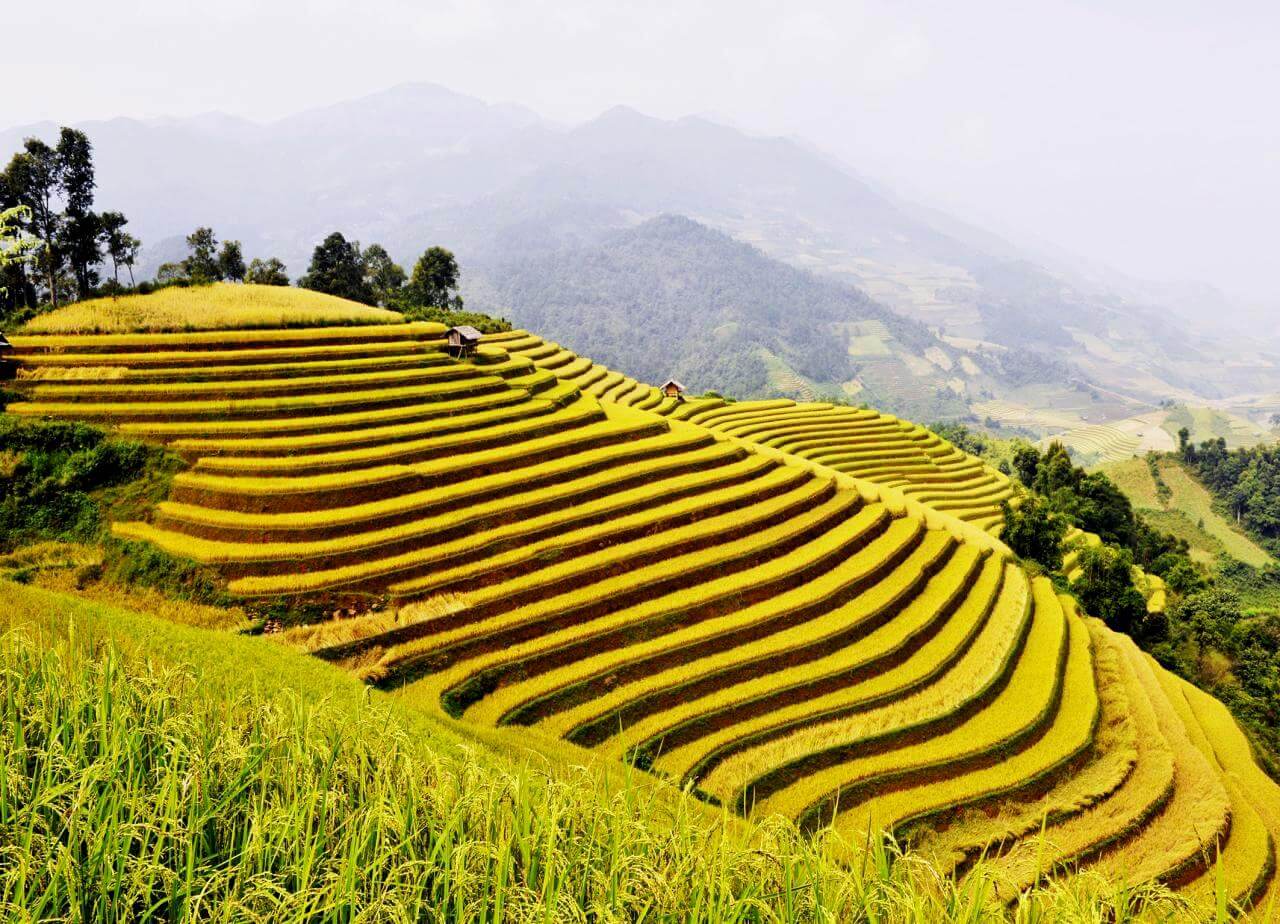
Are you planning a trekking trip but don’t know where to start? This article shares complete Tips for Trekking in Sapa from packing essentials, movement skills to real experiences to help you complete your journey safely. Don’t forget to explore more at Sapa Local Tour and Sapa Travel Guide 2026 to get the most optimized itinerary for your trip.
1. Best time for trekking in Sapa
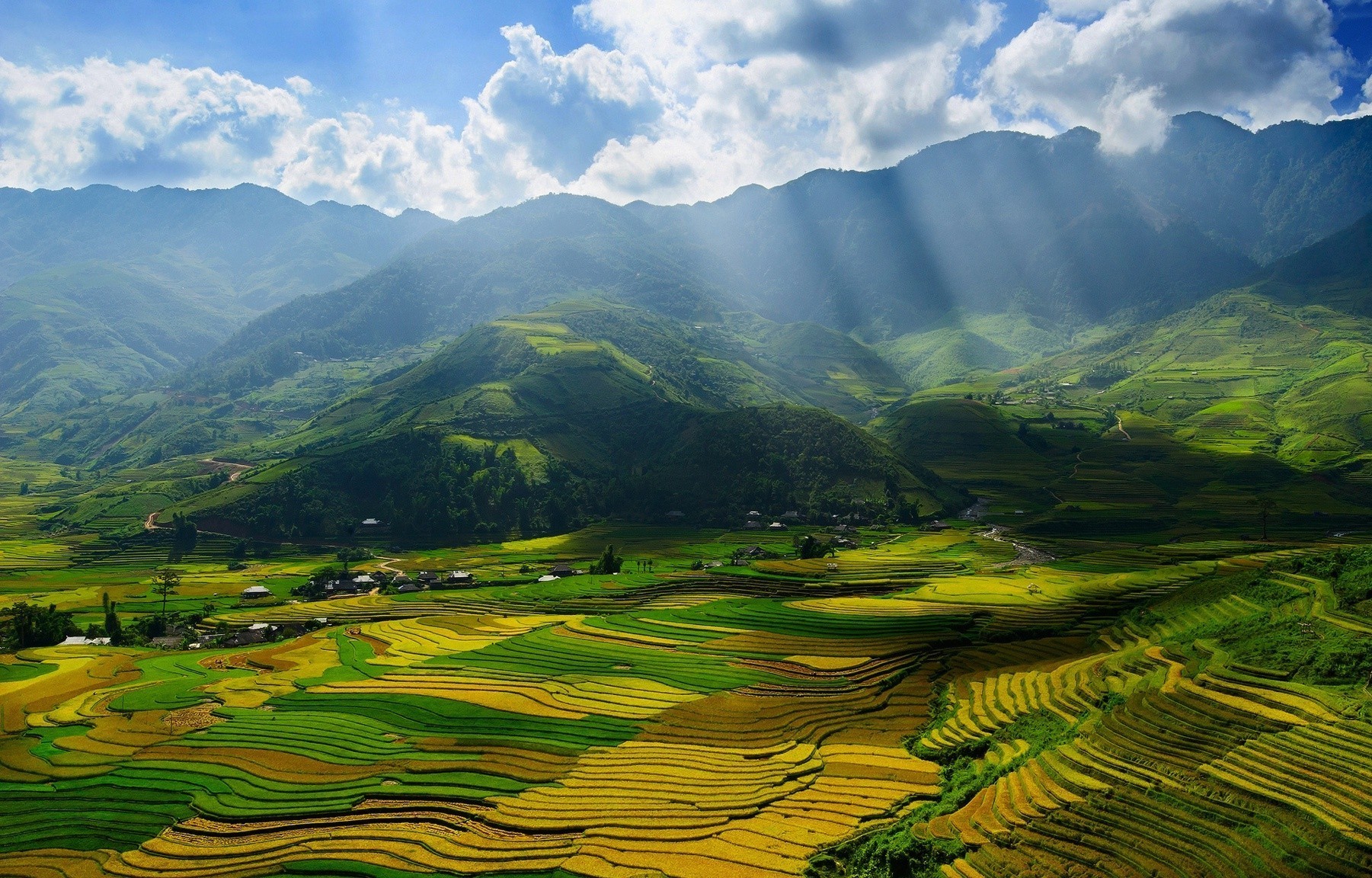
Weather is a key factor that directly affects your experience when trekking in Sapa. Based on experience, the best time is from September to November, when terraced fields are in the golden rice season, the weather is dry, and trails are easier to navigate.
From January to March, Sapa enters spring with blooming flowers across the mountains, ideal for those who love gentle scenery. In contrast, the rainy season from May to August often makes trails slippery and unsuitable for beginners. One of the important tips for trekking in Sapa is to always check the weather before your trip to ensure a safer journey.
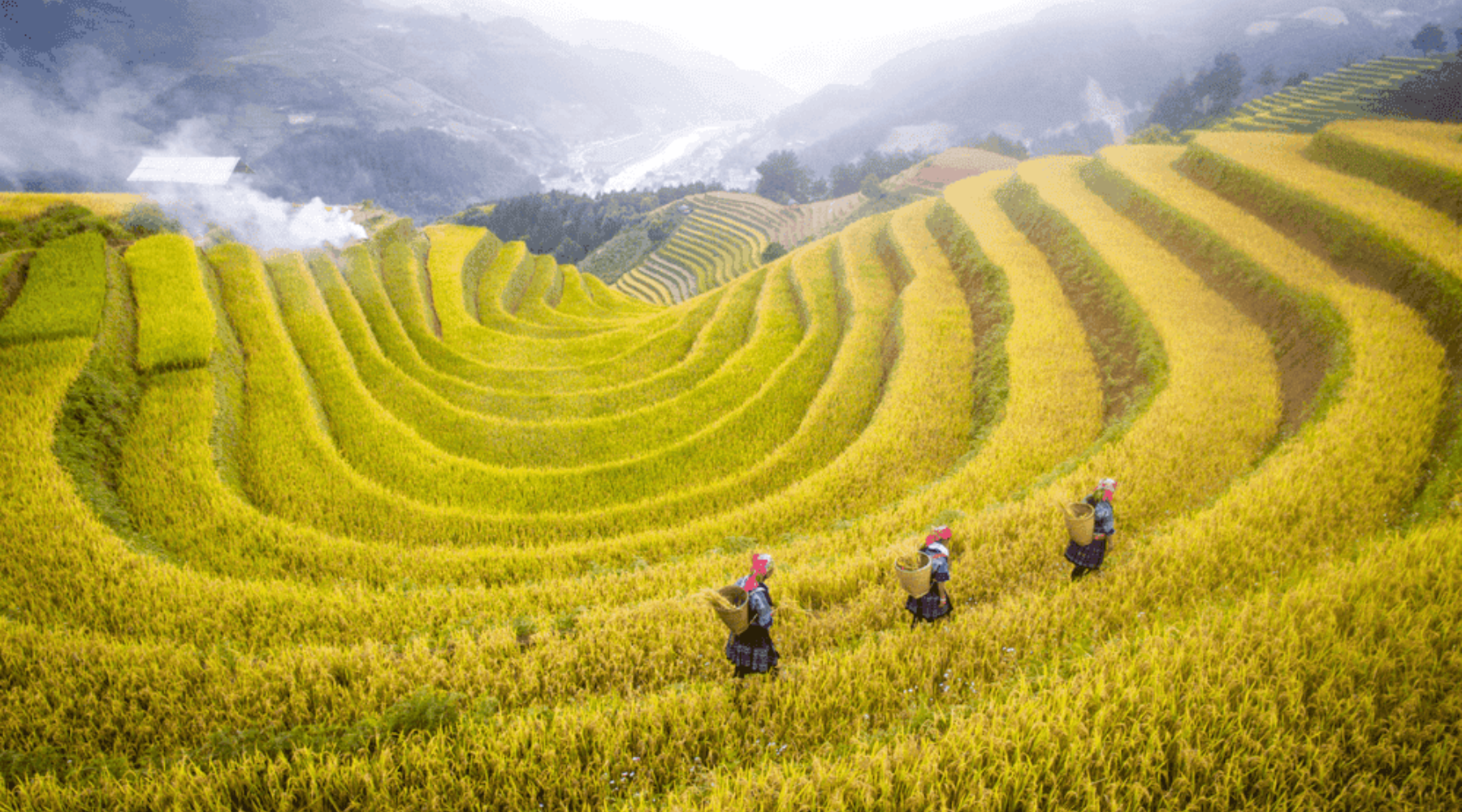
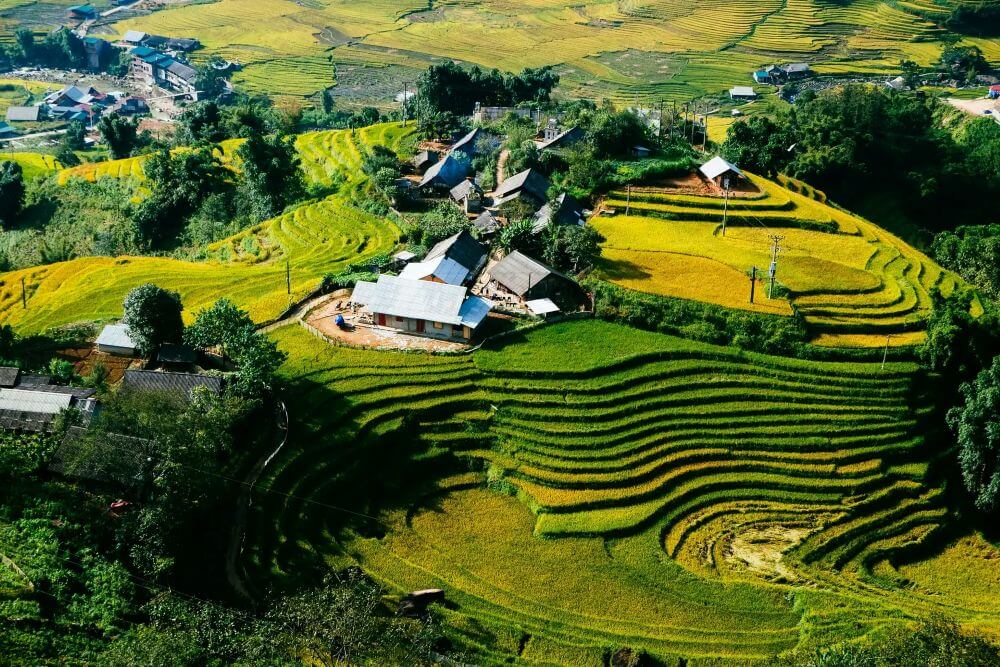
Terraced rice fields during harvest season in Sapa
2. How to travel to start your tips for trekking in Sapa journey
To begin your hiking in Sapa, you need to understand how to go to Sapa so your journey becomes smooth and enjoyable. Currently, there are two popular transportation options:
2.1. Traveling by train
The train is a suitable option if you want a comfortable and safe journey. You will stop at Lao Cai Station, then travel about 30 km more to reach Sapa. The advantage is spacious seating and sleeping berths, ideal for resting. However, the travel time is quite long.
2.2. Traveling by sleeper bus
Sleeper buses are one of the tips for trekking in Sapa to save time, taking only about 5–6 hours to reach Sapa. This is a popular option among young travelers due to its reasonable cost. However, if you are prone to motion sickness or have difficulty sleeping, you should consider carefully.
3. Essential gear for trekking in Sapa
3.1. Shoes and trekking equipment
Among all tips for trekking in Sapa, choosing the right shoes is the most important factor. You should prioritize specialized trekking shoes with anti-slip soles, good fit, and water resistance to adapt to wet mountainous terrain.
In addition, trekking poles are extremely helpful for maintaining balance on steep or slippery sections. Especially for hiking in Sapa, poles help reduce pressure on your knees and prevent injuries. You should also prepare thick socks and blister pads for maximum comfort.
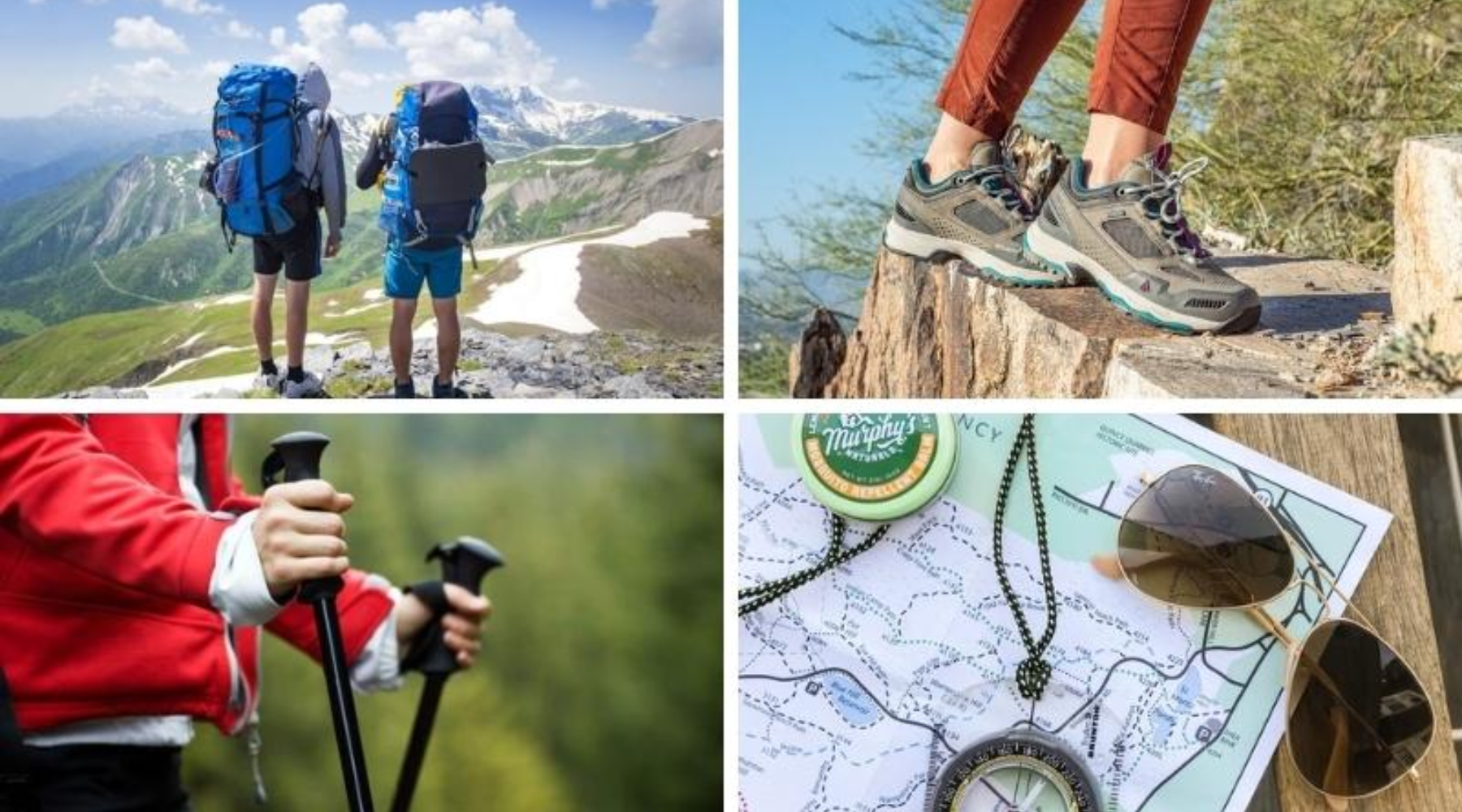
Tips for Trekking in Sapa – Bring trekking shoes and equipment
3.2. Weather-appropriate clothing
Sapa’s weather changes quickly throughout the day, so preparing flexible clothing is one of the important tips when traveling to Sapa. Choose lightweight, breathable materials that can still keep you warm when needed.
In summer, bring sun-protective clothing, a light jacket, and long pants to avoid insects. In winter, thermal wear, windbreakers, and scarves are essential. A key tips for trekking in Sapa is to avoid cotton clothing as it absorbs water and dries slowly—opt for quick-dry fabrics instead.
3.3. Food and water
When trekking in Sapa, your body consumes a lot of energy, so proper food preparation is essential. Bring lightweight, high-energy foods such as energy bars, cakes, chocolate, or nuts.
Water is extremely important, especially for long routes. One of the key tips for trekking in Sapa is to always carry enough water and add electrolytes to avoid exhaustion. For multi-day trips, divide your food into portions to manage weight efficiently.
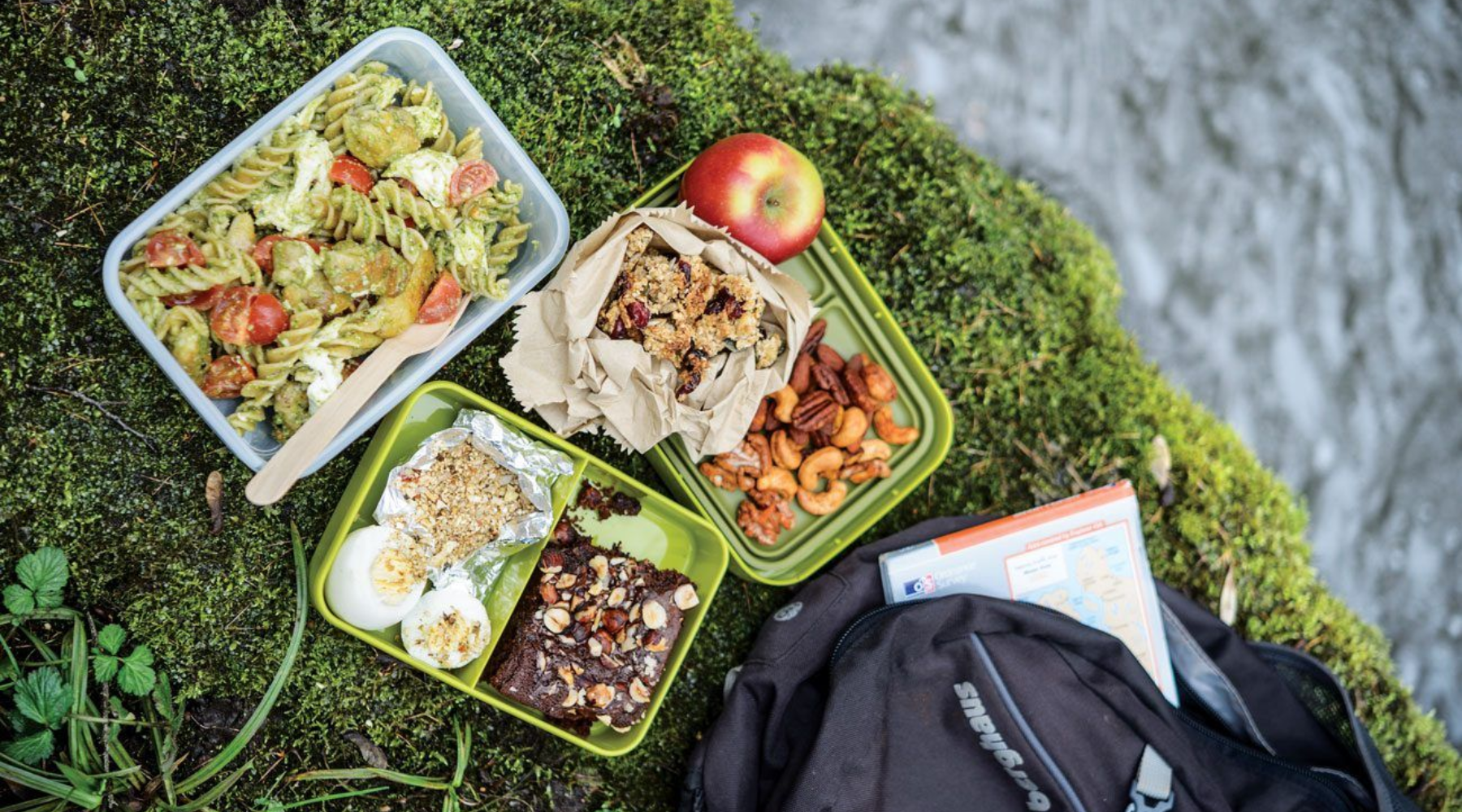
Tips for Trekking in Sapa – Bring food and water
3.4. Personal and medical items
Many people overlook this, but it is an essential part of tips for trekking in Sapa to handle unexpected situations. A basic medical kit should include stomach medicine, cold medicine, bandages, and antiseptic solution.
Additionally, sunscreen, insect repellent, and wet wipes are very useful. If you have medical conditions, prepare your personal medication carefully. Good preparation will help you feel more confident when trekking in Sapa without a guide.
4. Tips for trekking in Sapa for beginners
4.1. Tips to maintain stamina during hiking in Sapa
A common mistake for beginners is walking too fast at the beginning, which quickly drains energy. Instead, maintain a steady pace, walk evenly, and breathe deeply. Among the tips for trekking in Sapa, proper rest is also crucial. Take short breaks every 30–45 minutes, but avoid sitting too long as it may stiffen your muscles. Always carry snacks to replenish energy during hiking in Sapa.
4.2. Safety tips when trekking
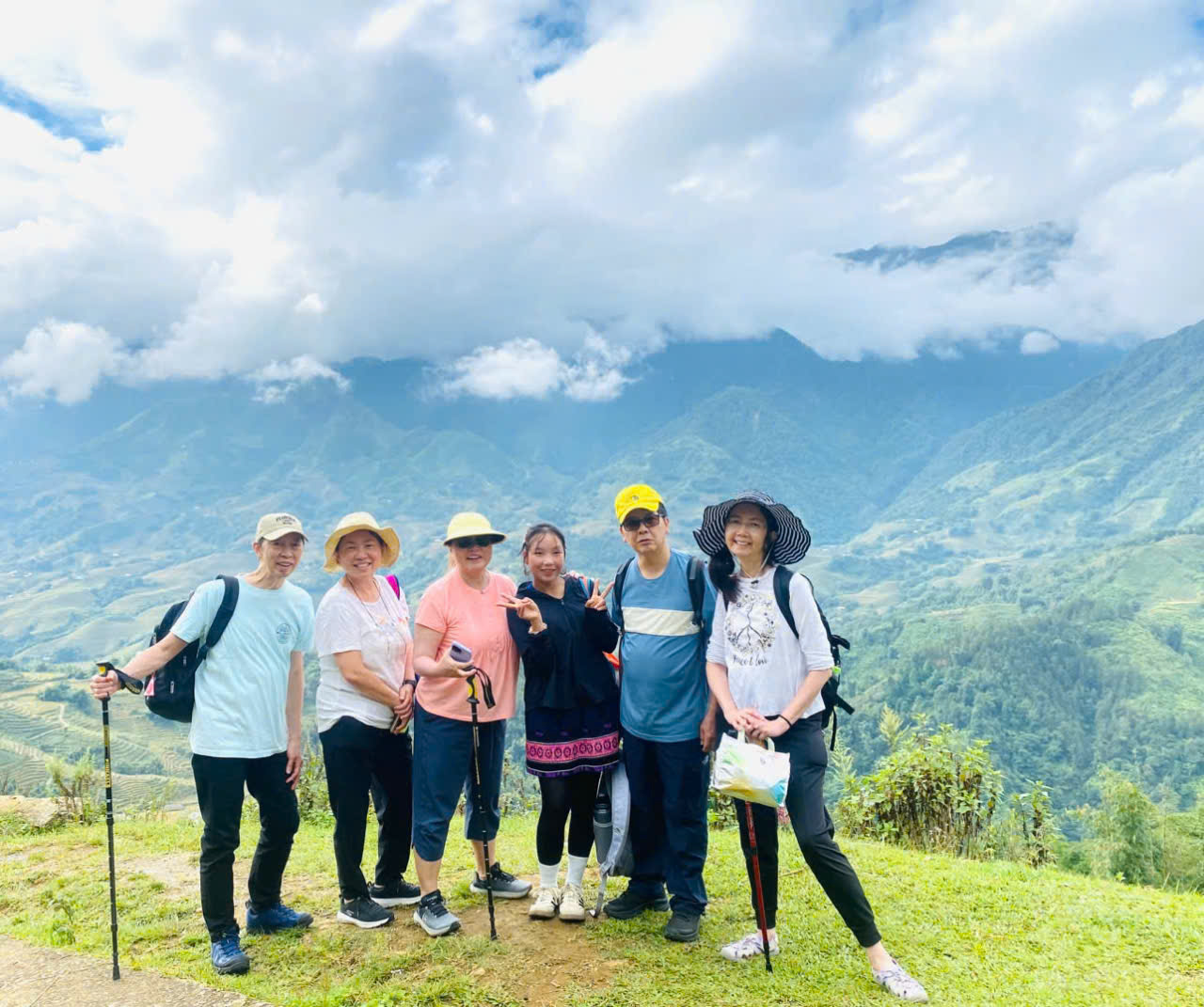
Safety is always the top priority. You should travel in groups or at least inform someone about your itinerary. If you choose trekking in Sapa without a guide, make sure to have an offline map or GPS device to avoid getting lost. Also, monitor the weather to adjust your plan when necessary. Another important tips for trekking in Sapa is not to attempt routes beyond your ability.
4.3. Photography tips while trekking
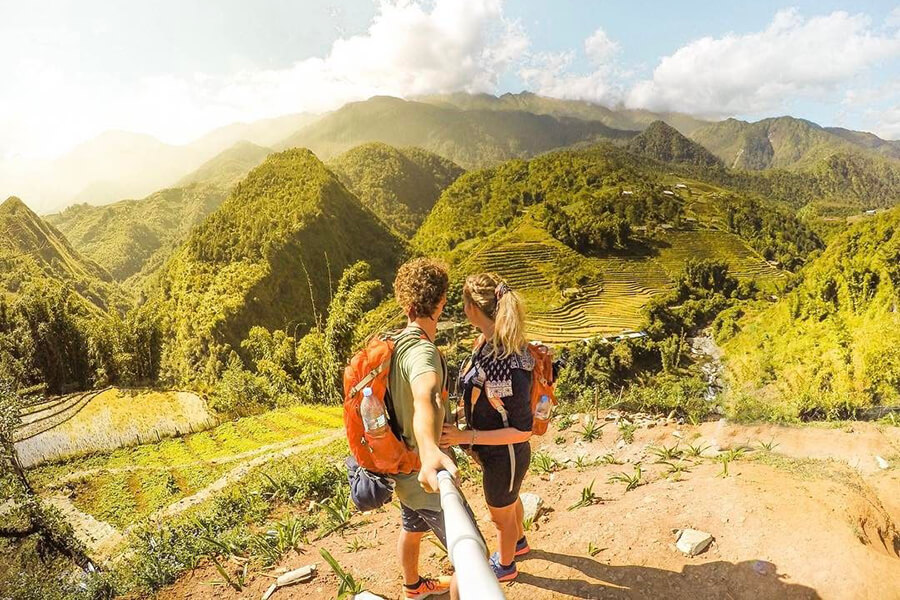
Besides exploration, trekking in Sapa is also a chance to capture beautiful moments. The best time for photos is early morning with mist or late afternoon with golden sunlight.
Places like terraced fields, villages, or mountain peaks offer stunning photo opportunities. One of the tips for trekking in Sapa is to carry a lightweight camera or smartphone. Use natural light and avoid backlighting for clearer photos.
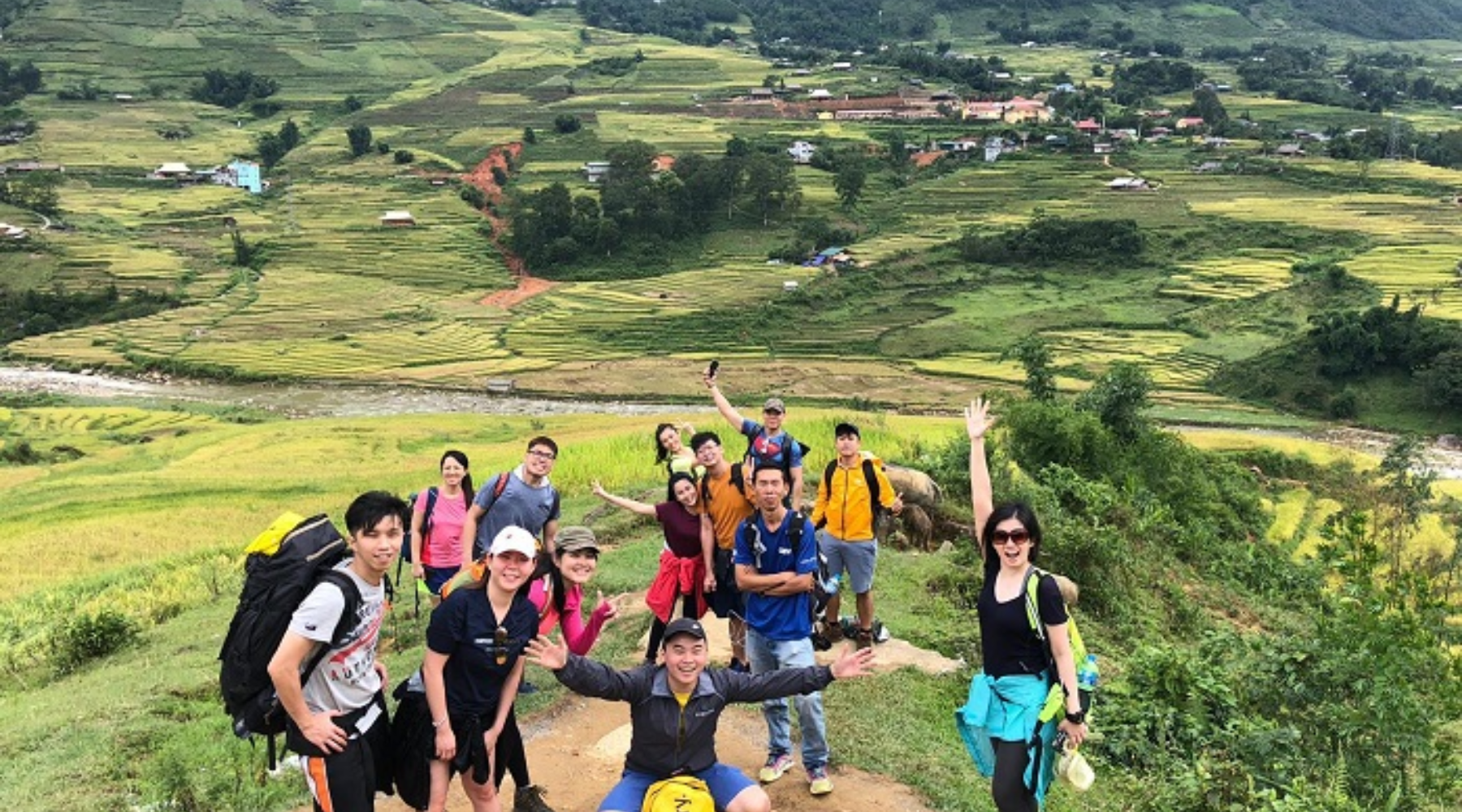
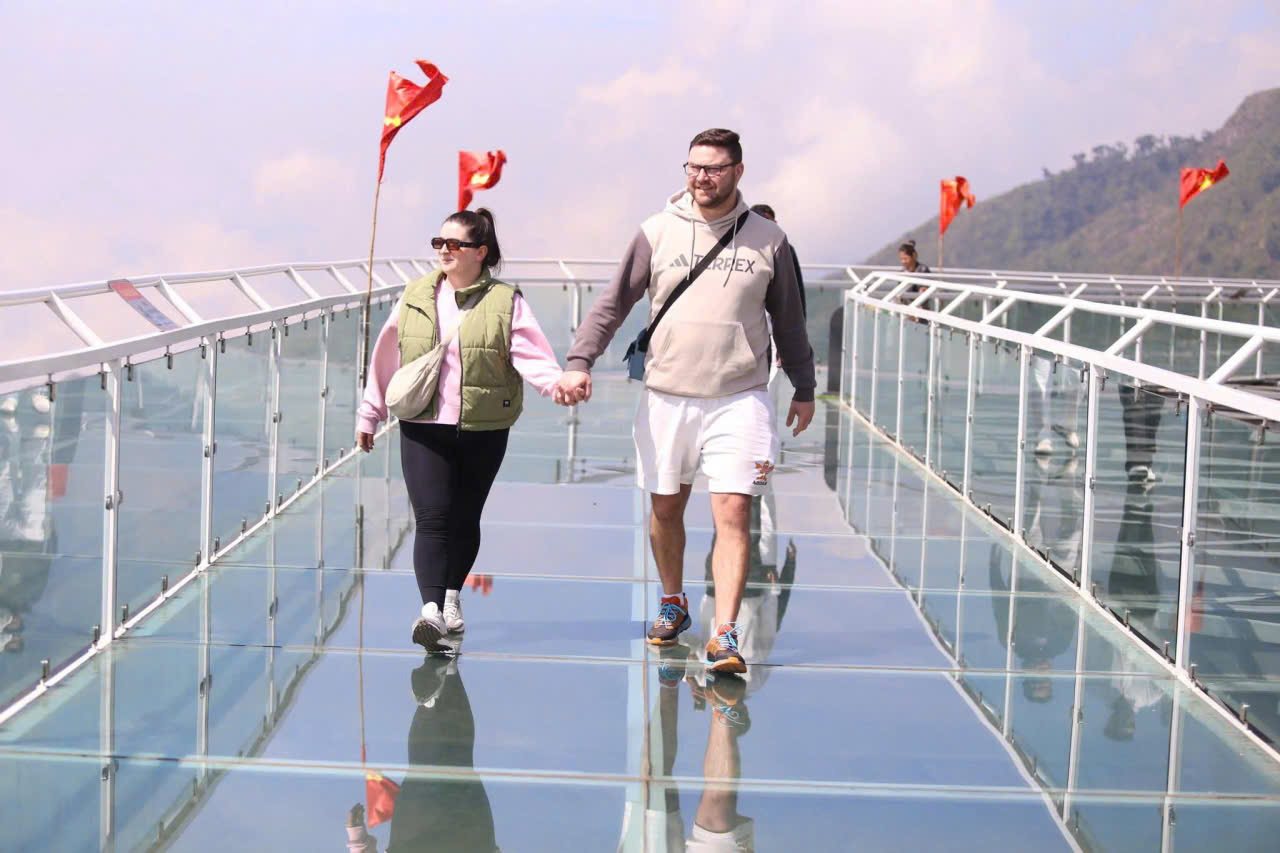
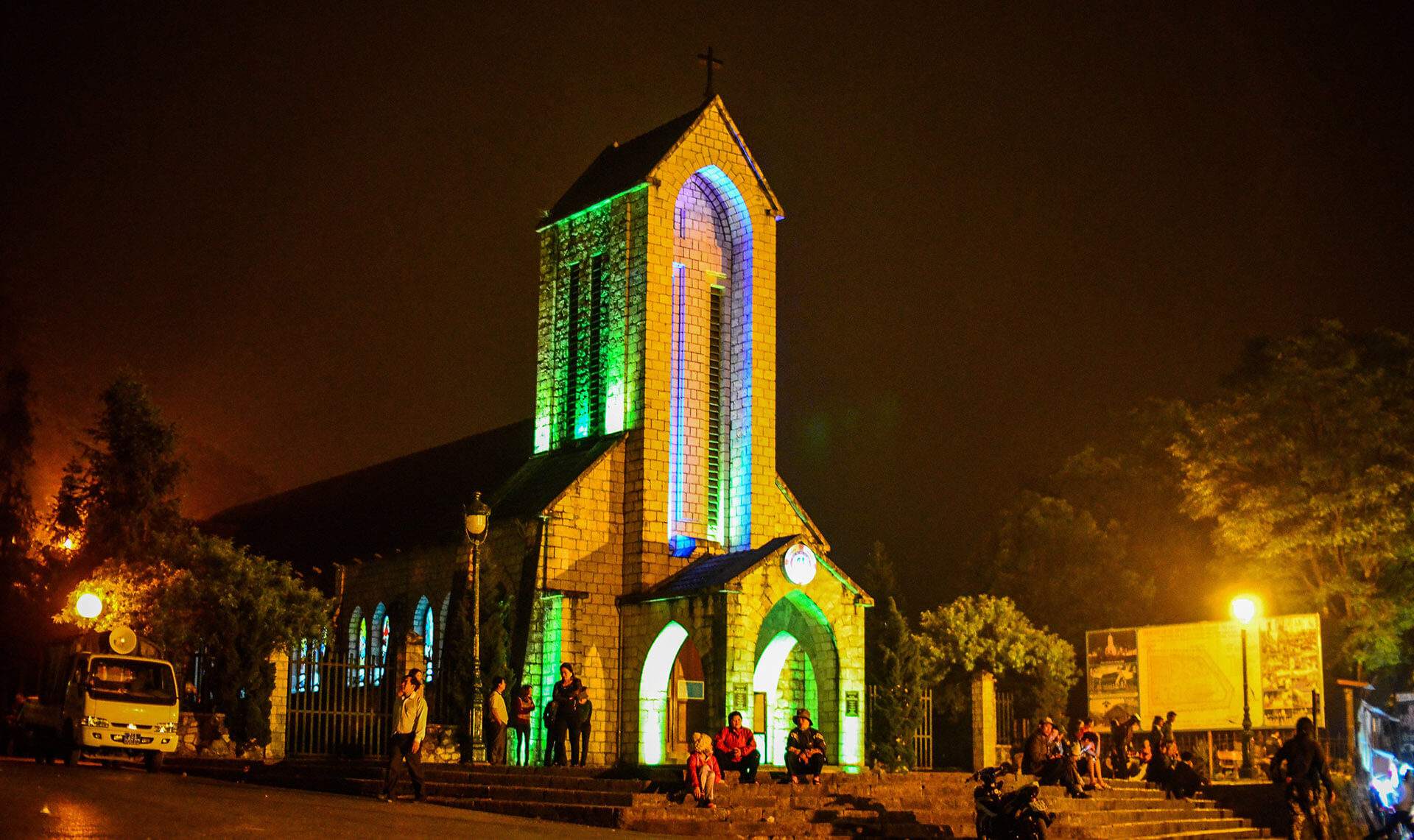
Check-in in Sapa
5. Trekking in Sapa without a guide – Is it recommended?
Trekking in Sapa without a guide is becoming a trend among young travelers. However, this option is not suitable for everyone. If you have trekking experience, good navigation skills, and have researched the route carefully, going independently offers more freedom.
On the other hand, beginners may face risks such as getting lost or struggling in unexpected situations without a Sapa trekking guide. Therefore, one of the key tips for trekking in Sapa is to evaluate your ability before deciding whether to go with or without a guide.
| Criteria – Tips for trekking in Sapa | With guide | Without guide |
| Safety | High | Medium |
| Experience | Learn local culture | Freedom to explore |
| Cost | Higher | More economical |
| Risk of getting lost | Low | High |
6. Tips for trekking in Sapa: Suggested hiking routes in Sapa
6.1. Easy route (Cat Cat – Sin Chai)
This is an ideal route for beginners in hiking in Sapa. The terrain is simple, the distance is short, and there are many stops along the way. You will explore traditional villages and enjoy the peaceful mountain atmosphere.
6.2. Medium route (Lao Chai – Ta Van)
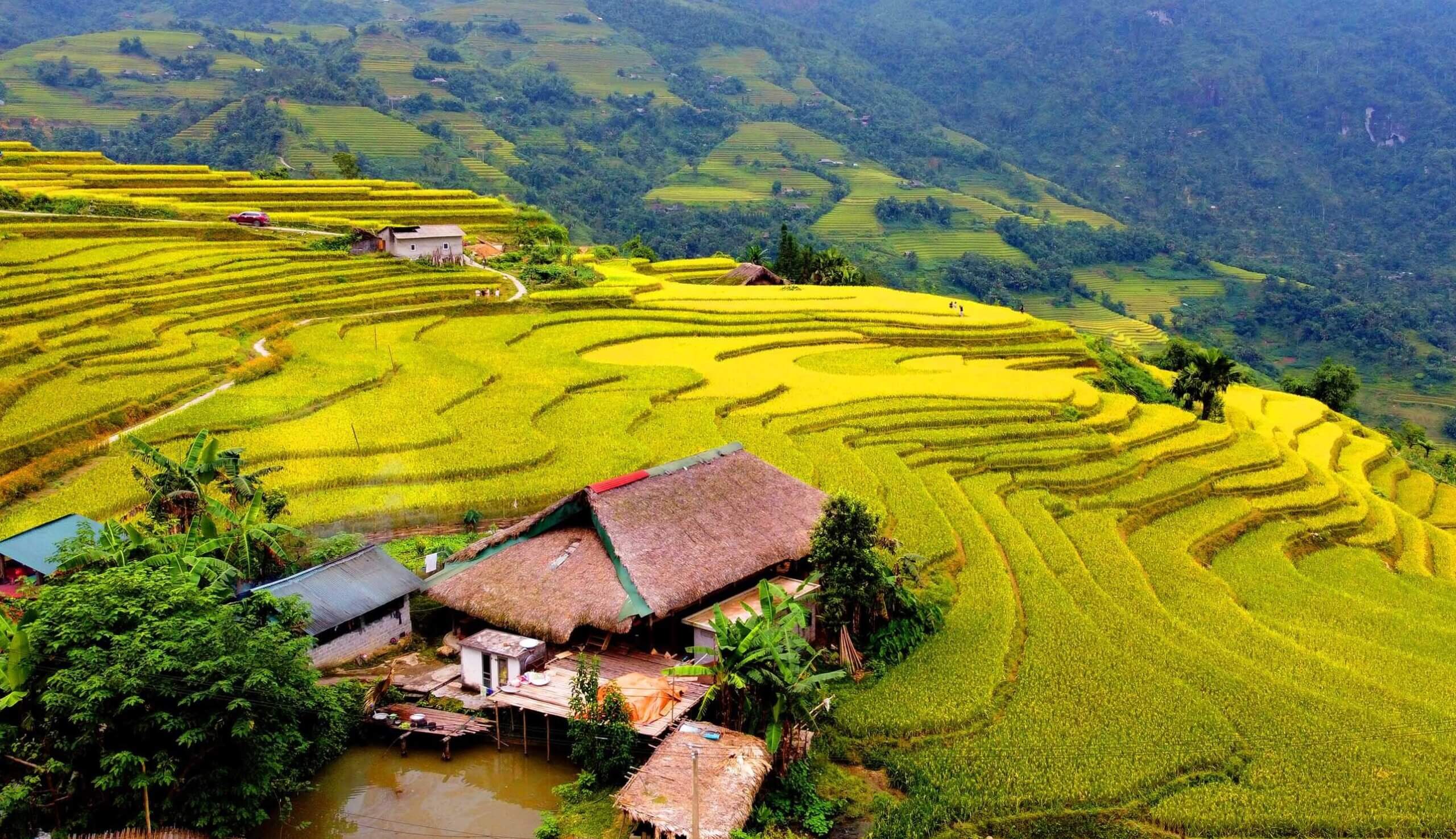
This route is longer and requires better fitness, suitable for those with basic experience. You will pass through terraced fields, streams, and ethnic villages. It is one of the most beautiful journeys when trekking in Sapa.
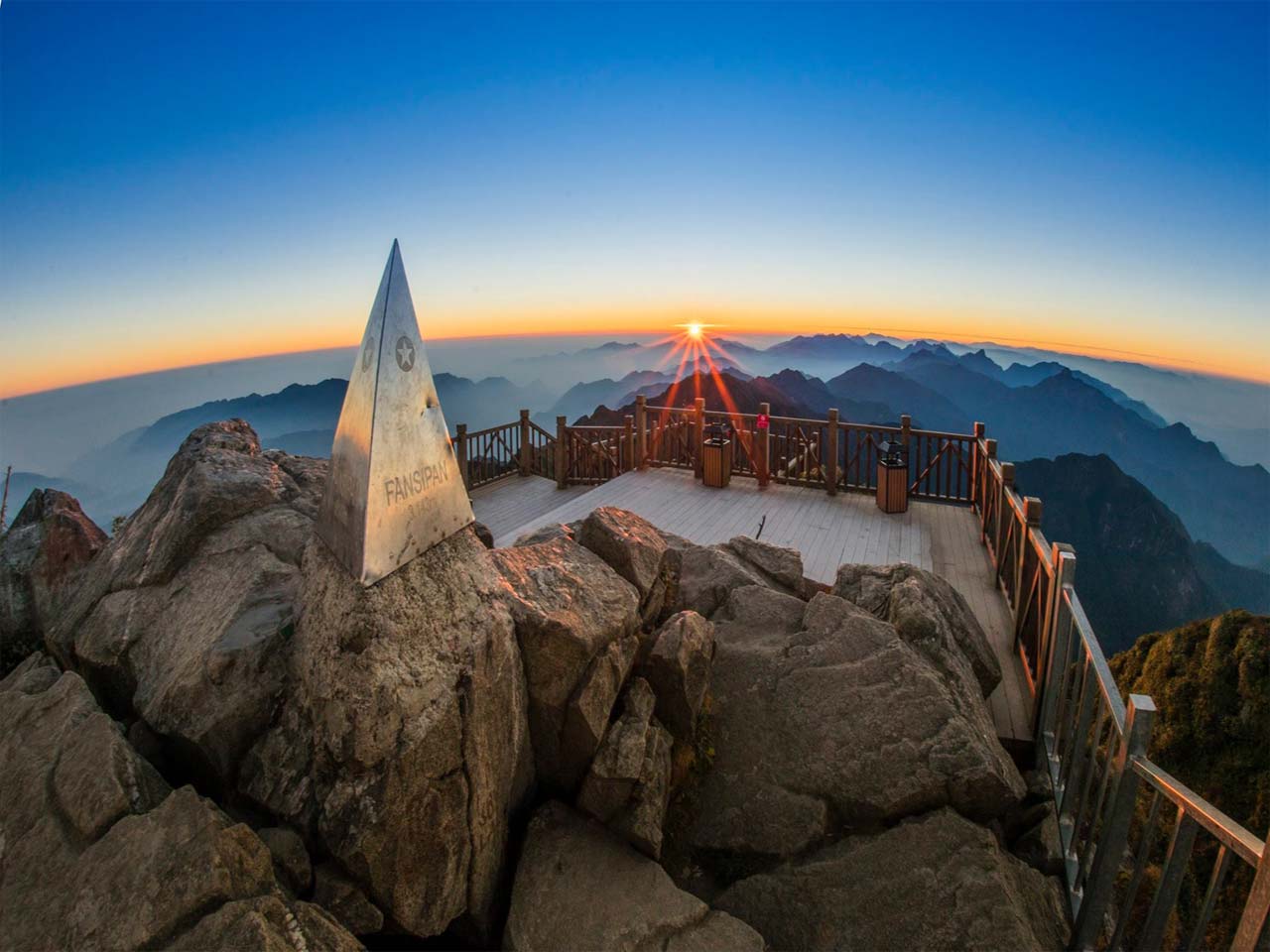
6.3. Difficult route (Fansipan trekking)
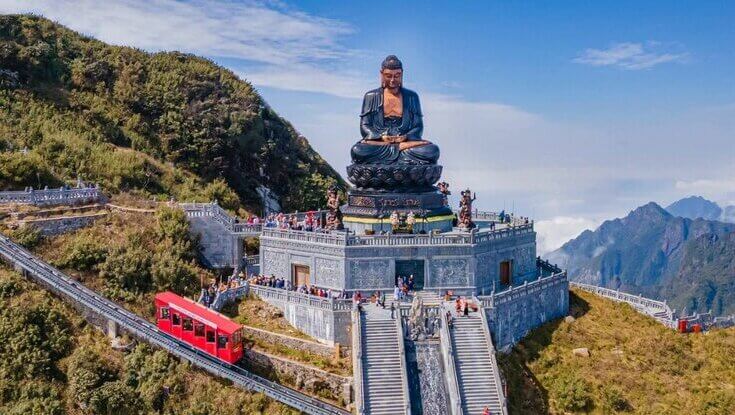
Conquering Fansipan Mountain Sapa is a goal for many trekkers. This is a challenging route requiring strong fitness and preparation. The journey usually lasts 2 days 1 night, with steep and complex terrain.
One of the key tips for trekking in Sapa for this route is to go with a Sapa trekking guide to ensure safety. Although challenging, reaching the highest peak in Indochina offers an unforgettable experience.
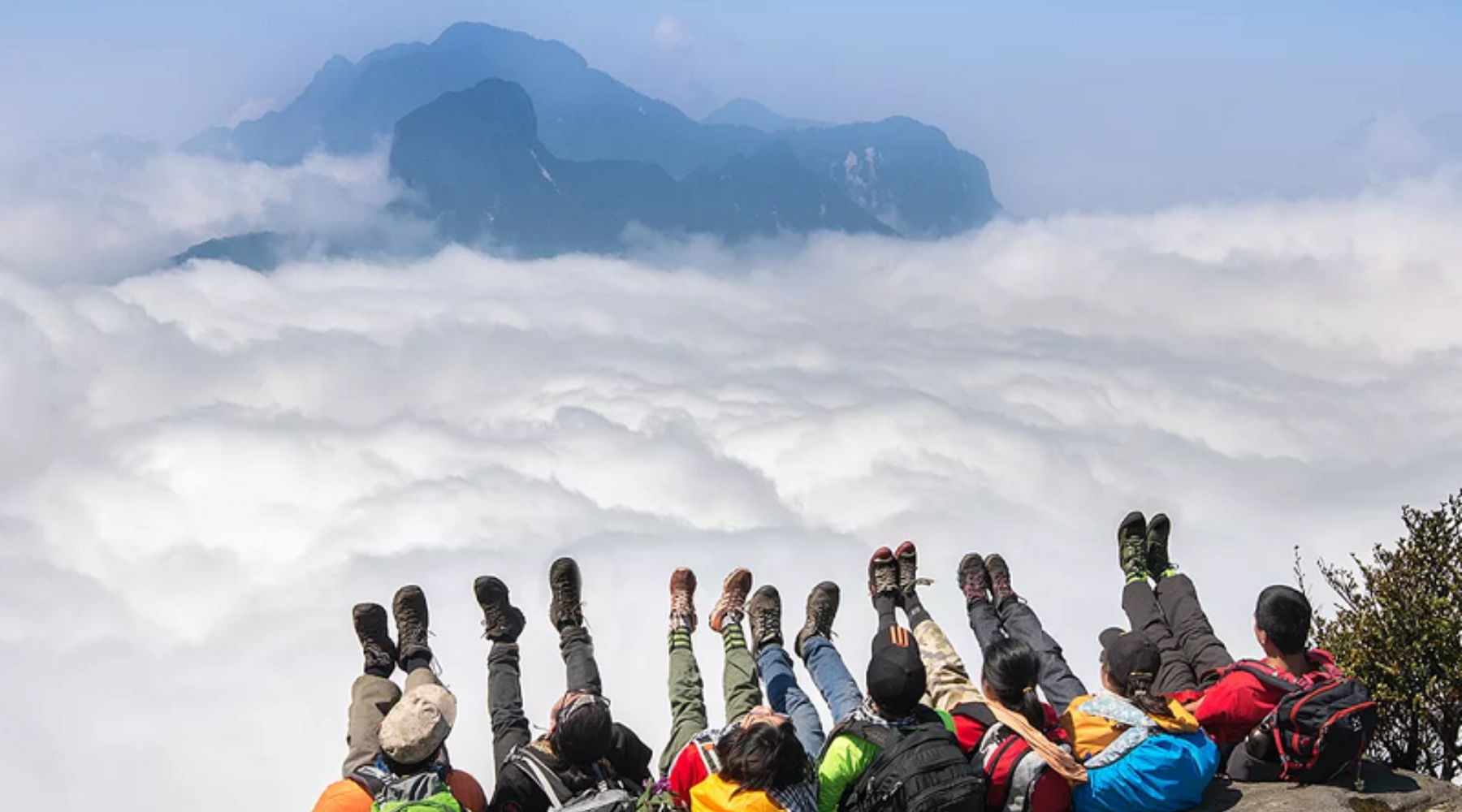
Hiking route in Sapa – Fansipan trekking
Conclusion
Understanding tips for trekking in Sapa will help you have a safer and more complete journey. From preparing equipment to choosing the right route, everything plays an important role. To make your trip easier, visit the Sapa Local Tour website and fanpage for detailed itinerary support.
Phone/WhatsApp: +84.878.256.777
Email: info@sapalocaltours.com
Address: No. 55 Bui Thi Xuan Street, Hai Ba Trung Ward, Hanoi City, Vietnam