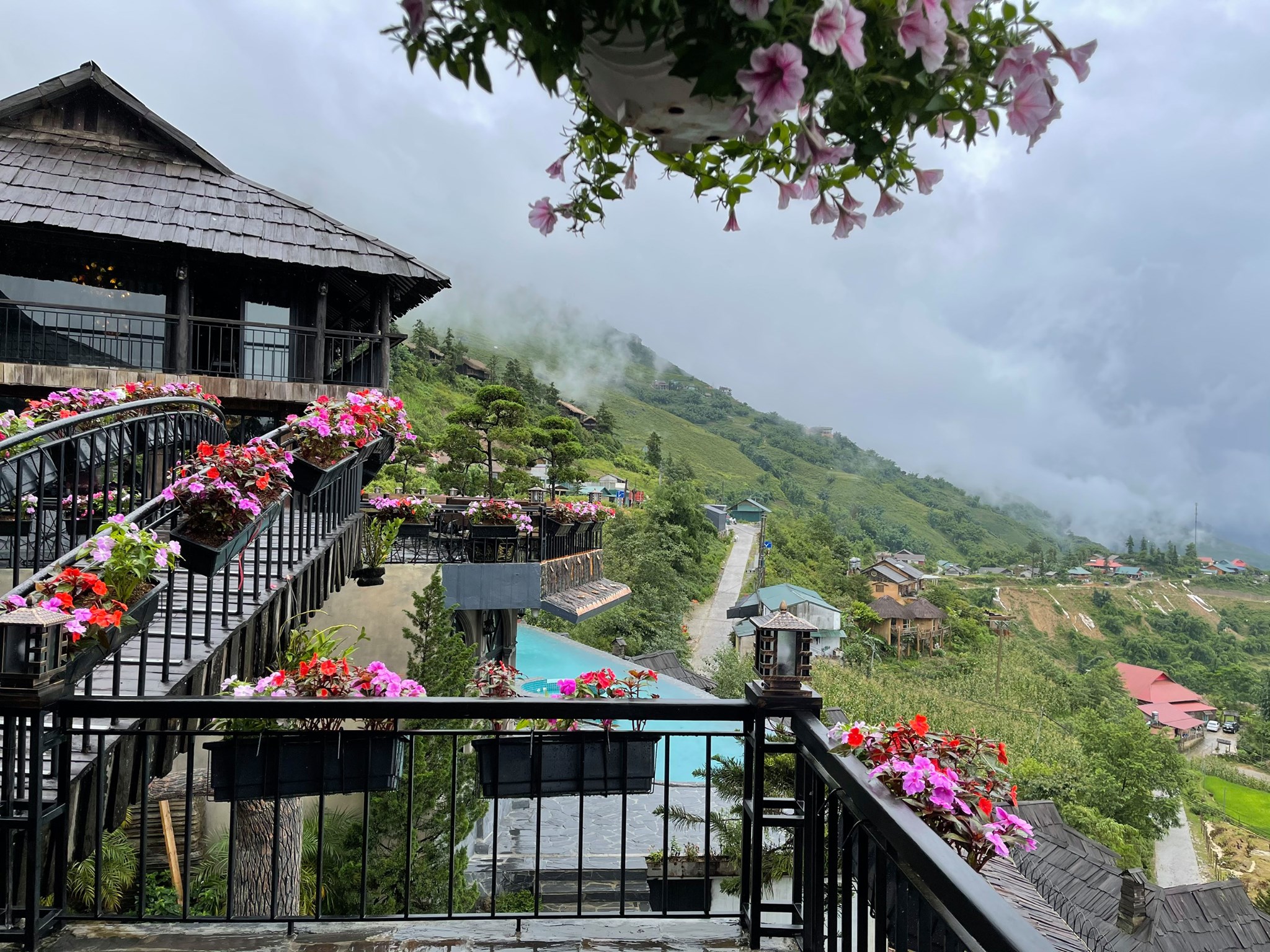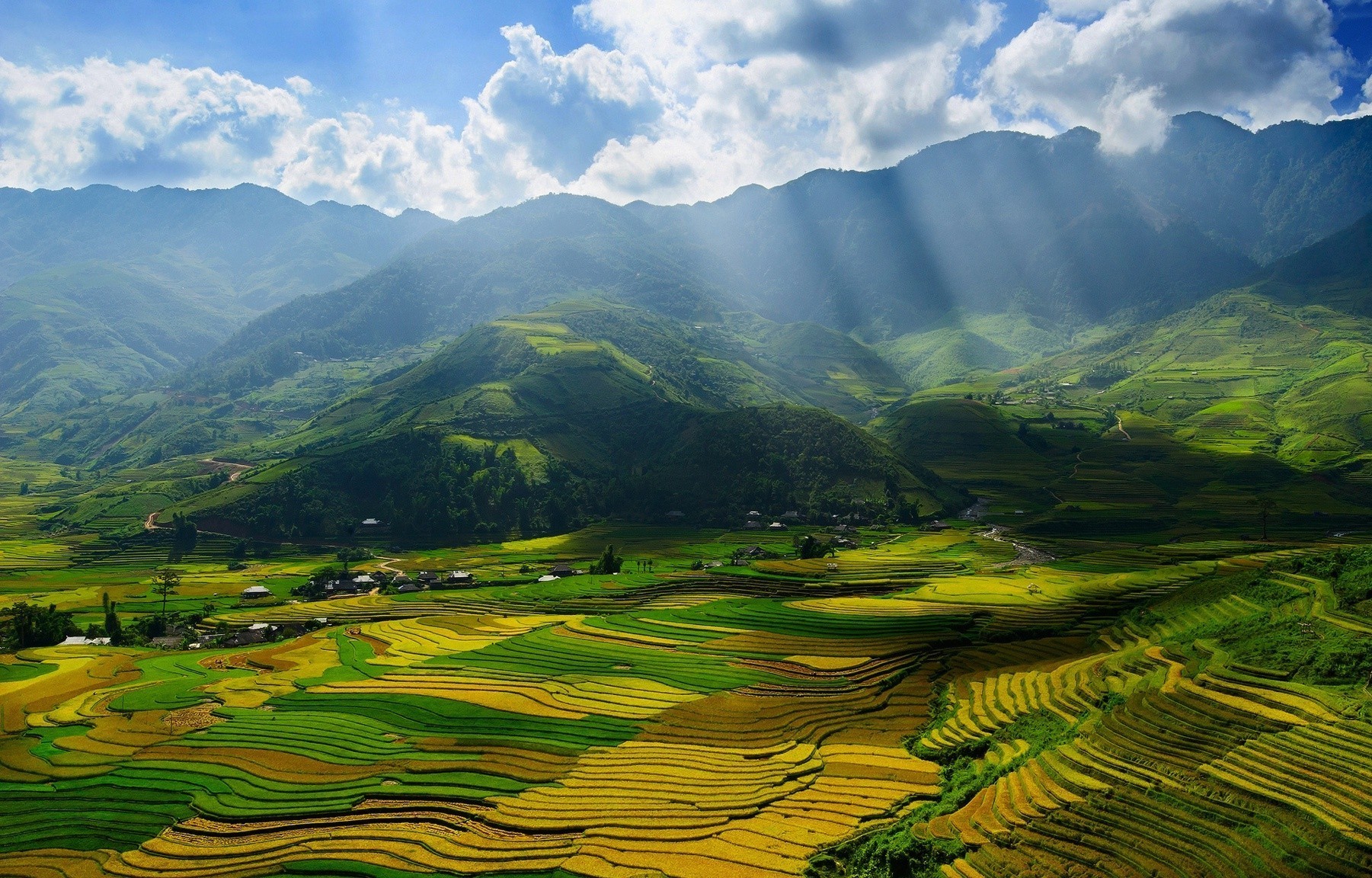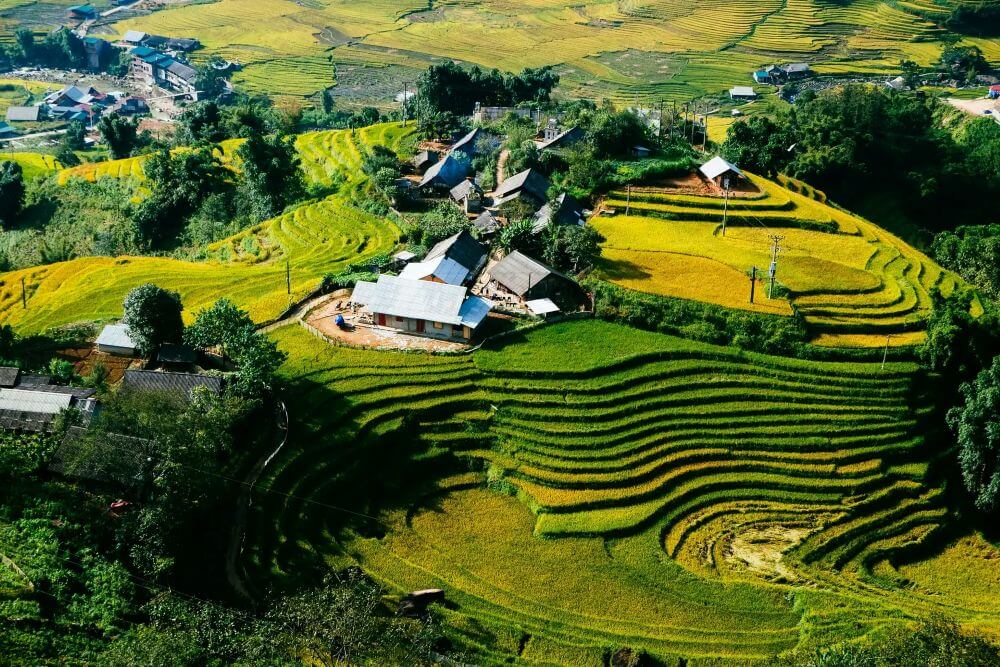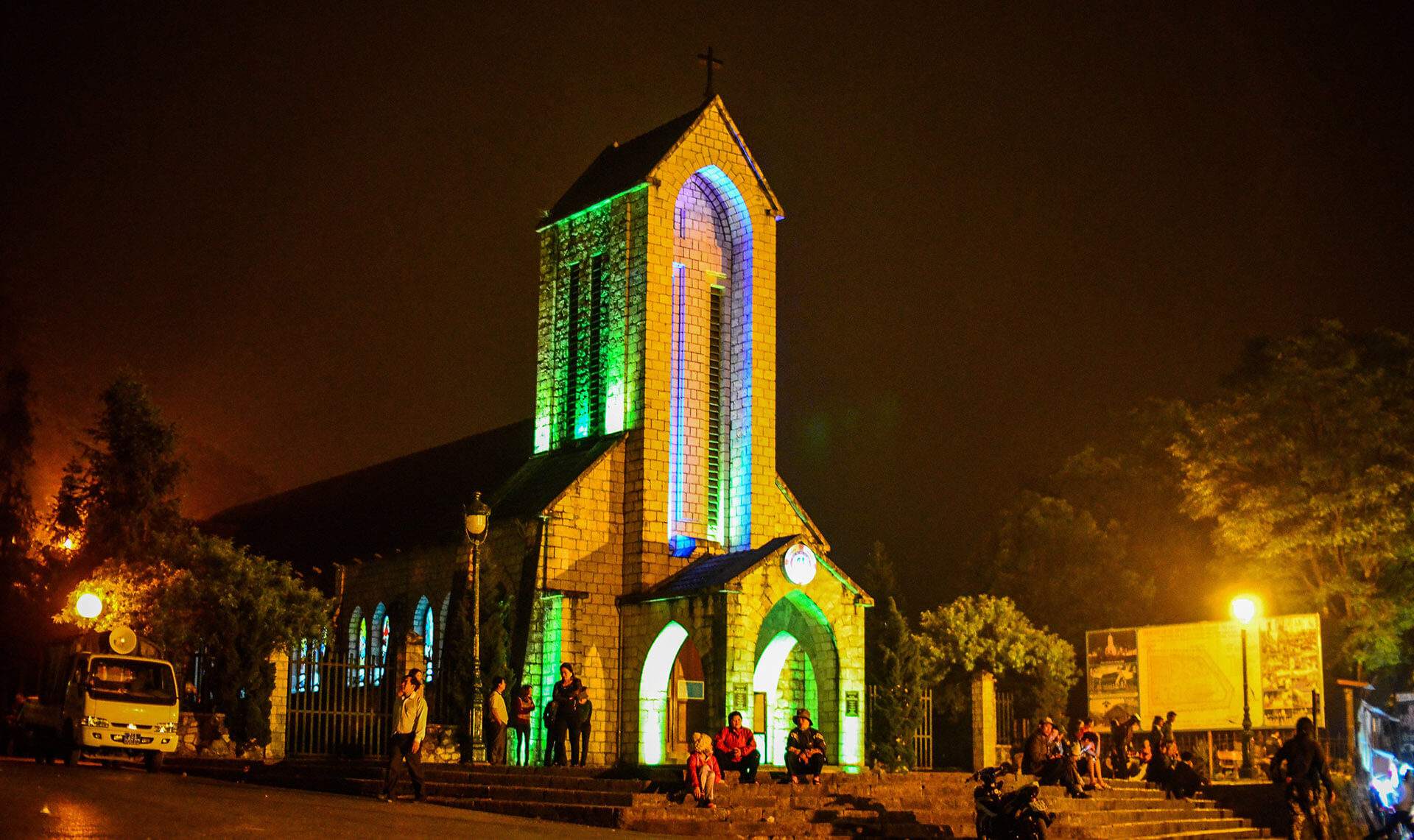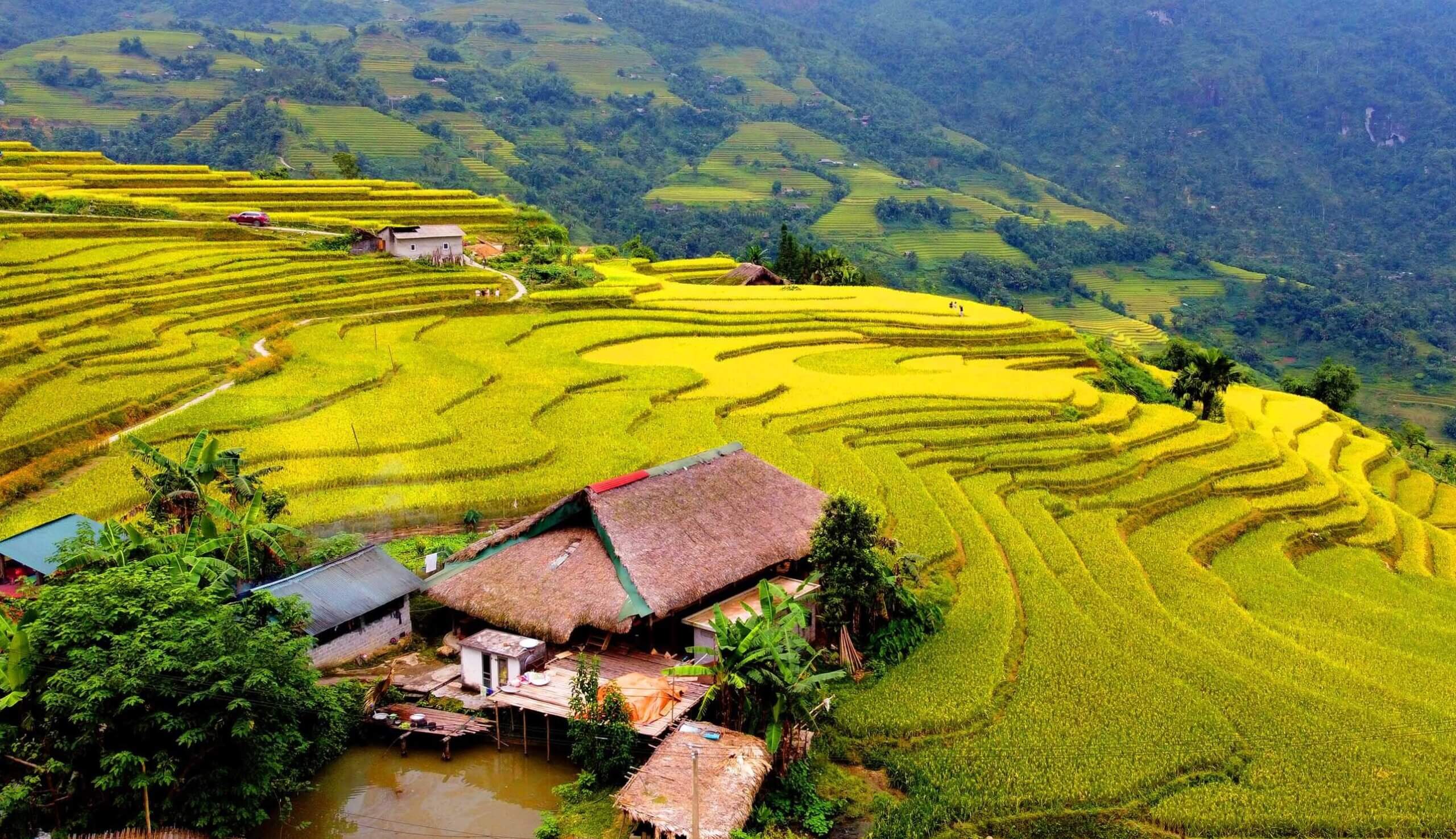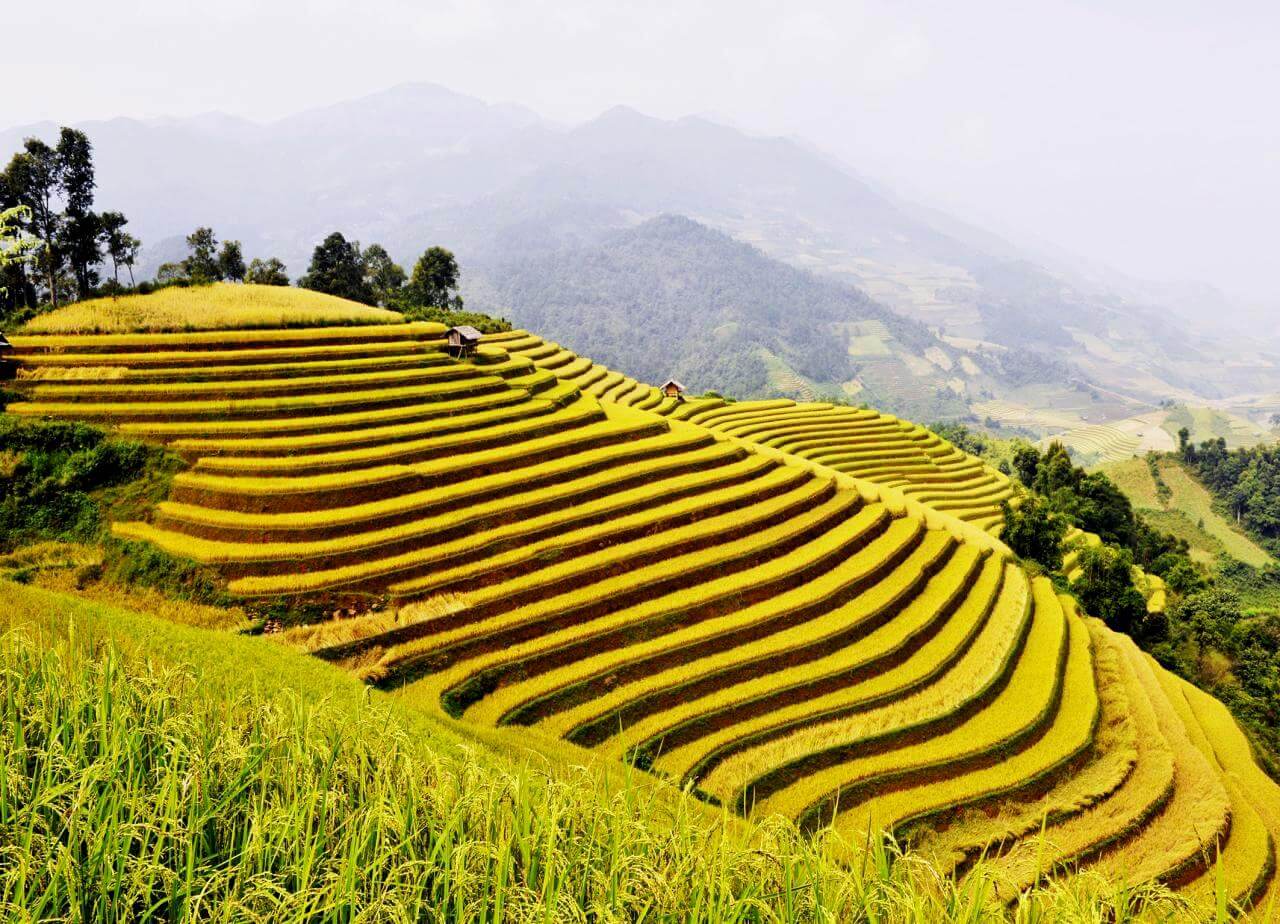
Nestled in the highlands of Northern Vietnam, Bac Ha market is one of the most vibrant cultural destinations for travelers seeking authenticity beyond the usual tourist trails. Every week, ethnic communities gather in a colorful display of tradition, trade, and connection, creating an atmosphere unlike anywhere else in the region. For those planning a meaningful journey, Sapa Local Tours offers curated experiences that bring you closer to the people, stories, and hidden charm of this remarkable mountain market.
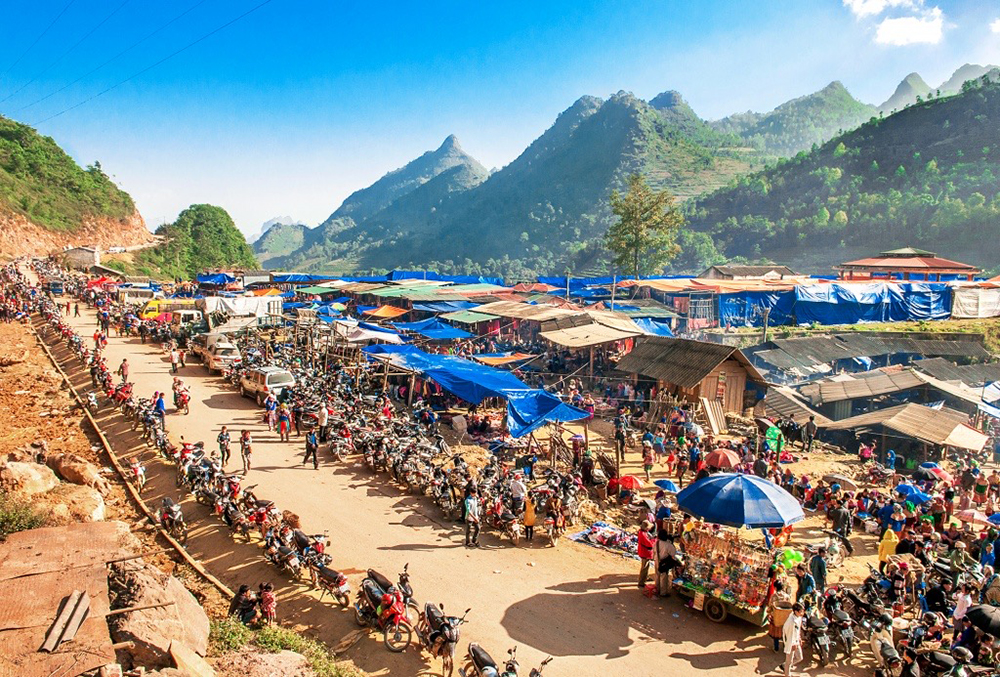
Colorful highland market scene with ethnic people gathering in Northern Vietnam
Location & Opening Days of Bac Ha Market
Understanding where and when this market takes place is essential for planning your journey. Visiting Bac Ha market at the right time ensures you can fully experience its vibrant atmosphere and cultural richness.
Bac Ha Market Location and How to Get There
Located in the mountainous district of Bac Ha, about 100 kilometers from Sapa, Bac Ha market is surrounded by scenic valleys and ethnic villages that make the journey just as memorable as the destination.
Travelers from Hanoi can take an overnight train or bus to Lao Cai, then continue by car for a few hours. From Sapa, the trip is shorter and offers stunning mountain views, especially in the early morning. Planning ahead with the right route is key when considering Bac Ha market location and how to get there.
From Sapa, the trip is shorter and offers stunning mountain views, especially in the early morning. If you have extra time, you can combine your journey with nearby attractions such as Tien Sa Waterfall, a peaceful natural spot that adds more depth to your highland adventure.
Bac Ha Market Opening Days
Taking place every Sunday morning, Bac Ha market follows a weekly rhythm where local communities gather to trade, socialize, and celebrate their traditions. The busiest time is between 8:00 AM and 11:00 AM, when the market is at its most colorful and energetic. Arriving early allows you to witness the full experience, from the first arrivals at dawn to the lively peak hours. Knowing the exact Bac Ha market opening days helps ensure you don’t miss the most authentic moments of the visit.
Other Nearby Ethnic Markets
Beyond the main Sunday gathering, Bac Ha market is part of a wider network of traditional markets across the region, each held on different days of the week. These markets offer a quieter and more local perspective of daily life in the highlands. Places like Can Cau and Coc Ly each have their own charm, from livestock trading to riverside settings. Exploring these traditional markets in Sapa Vietnam can add depth to your journey and provide a richer cultural experience.
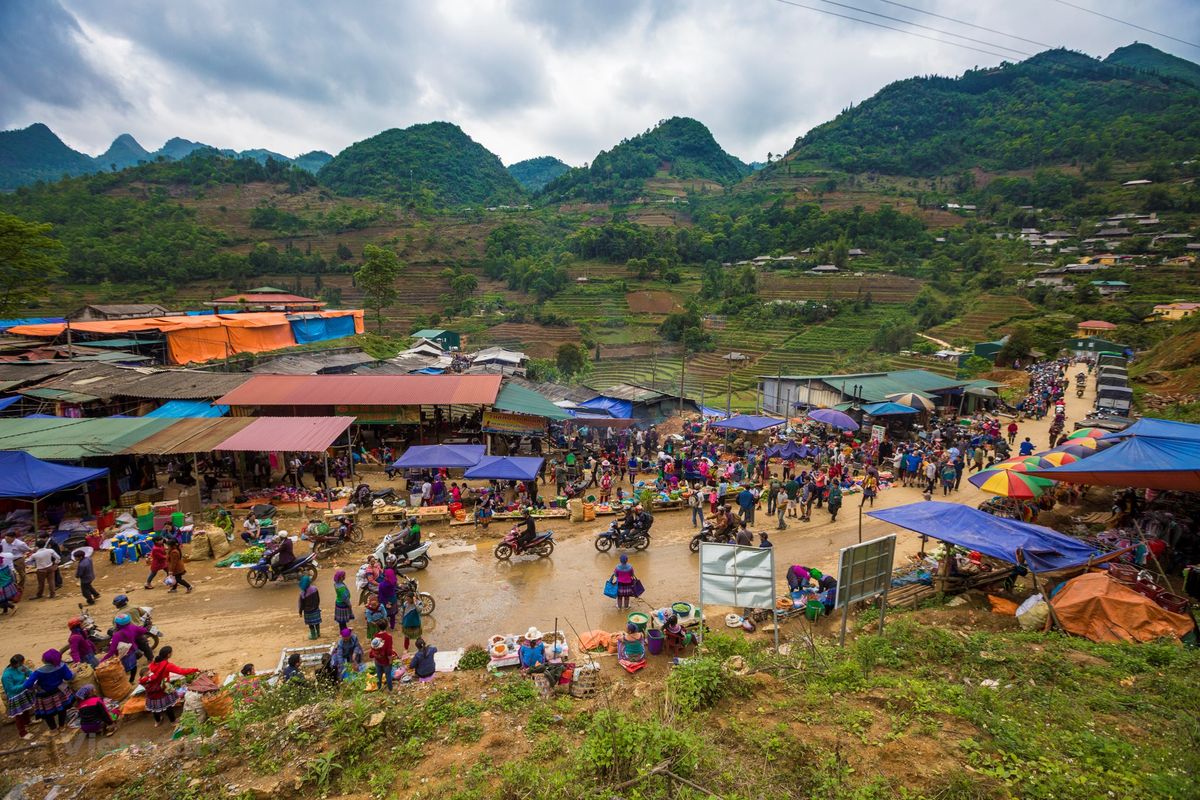
Traditional ethnic market in Northern Vietnam with fewer tourists
What Makes Bac Ha Market Unique & Must-Try Experiences
More than just a place for trading, this highland gathering is a vivid reflection of culture, identity, and daily life. Visiting Bac Ha market is not only about shopping but also about immersing yourself in traditions that have been preserved for generations.
Beyond the vibrant atmosphere of the market, the surrounding region offers a variety of scenic attractions. For those who prefer a more relaxed experience, the Sapa Glass Bridge & Silver Waterfall Tour is a great way to explore stunning landscapes without intense trekking.
Colorful Ethnic Costumes
One of the most striking features of Bac Ha market is the vibrant display of traditional clothing worn by ethnic groups such as the Flower H’Mong, Dao, and Tay. Women often dress in bright, multi-layered outfits decorated with intricate embroidery, silver jewelry, and bold patterns that represent their identity and community.
These garments are not made for tourists but are part of daily life, especially on market day when people gather to socialize and trade. This creates an incredibly photogenic scene where every corner is filled with color and movement. For travelers, it offers a truly immersive Sapa ethnic market experience, where culture is not staged but naturally lived and shared.
Cultural Exchange and Social Gathering
Beyond buying and selling, Bac Ha market plays an important role as a weekly meeting point for ethnic communities living in remote mountain villages. People travel for hours sometimes on foot or by motorbike not just to trade goods but to reconnect with friends, meet relatives, and exchange news.
The atmosphere is lively and full of energy, with conversations, laughter, and negotiations happening all around. You will often see groups sitting together, sharing food or drinks, turning the market into a social event rather than just a commercial space. This human connection is what makes the experience deeply authentic and memorable for visitors.
Traditional Livestock Trading
A distinctive part of Bac Ha market is the livestock trading area, where buffaloes, horses, pigs, and other animals are brought for sale. This section is usually located slightly away from the main market area and has a more raw, energetic atmosphere.
Farmers carefully inspect animals, negotiate prices, and exchange knowledge about breeding and farming. For many local families, livestock represents wealth, livelihood, and long-term security. Observing this process offers a rare glimpse into rural economic life in the highlands and highlights the importance of agriculture in the region.
Try Local Dishes
Food is an essential part of the experience at Bac Ha market, where rows of small stalls serve freshly prepared dishes using local ingredients. One of the most well-known specialties is thắng cố, a traditional stew made from horse meat and organs, slow-cooked with herbs to create a rich and distinctive flavor.
In addition to this, visitors can enjoy grilled meats, sticky rice, and a variety of simple yet flavorful dishes that reflect the culinary traditions of the region. Tasting Bac Ha market local food is not just about eating it is about understanding how local people cook, share meals, and preserve their food culture through generations.
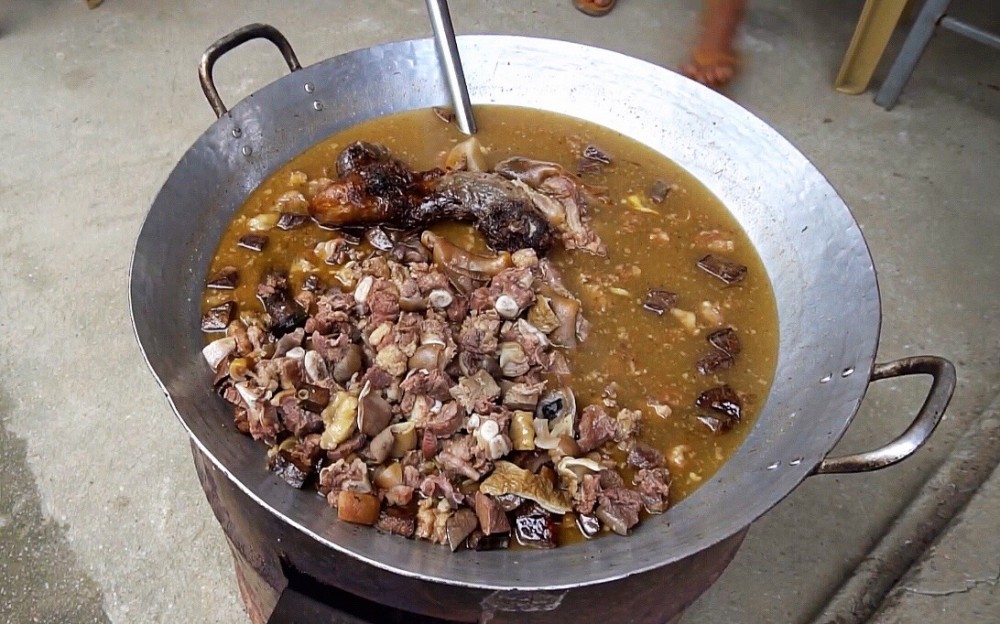
Traditional Vietnamese highland dishes served at a local food stall
Photography & Local Interaction
With its vibrant colors, expressive faces, and authentic daily activities, Bac Ha market offers endless opportunities for photography. From candid shots of traders negotiating prices to portraits of locals in traditional dress, every moment captures a unique story.
However, the experience goes beyond taking photos. Interacting respectfully with local people whether through a smile, a greeting, or a small purchase can create meaningful connections. These interactions help transform a simple visit into a deeper cultural journey, leaving a lasting impression long after you leave the market.
What to Buy at Bac Ha Market
Shopping here is not just about souvenirs it’s about discovering handmade products and local specialties that reflect the culture and daily life of the highland communities. Exploring Bac Ha market gives visitors the chance to bring home meaningful items that carry both practical use and cultural value.
Handmade Textiles and Crafts
One of the most popular things to purchase at Bac Ha market is the wide variety of handmade textiles created by ethnic minority groups. You will find beautifully embroidered fabrics, scarves, bags, and traditional clothing, all crafted using techniques passed down through generations.
These items are often made by hand using natural dyes and intricate stitching, making each piece unique. Many travelers look for these products when considering what to buy in Bac Ha market, as they represent authentic craftsmanship rather than mass-produced goods. Buying directly from local artisans also helps support their livelihoods and preserve traditional skills.
Local Food and Specialties
Food products are another highlight of Bac Ha market, offering visitors a chance to taste and take home local flavors. You can find dried meats, fresh herbs, wild mushrooms, honey, and homemade rice wine, all sourced from nearby villages.
These ingredients are often grown or produced using traditional methods, giving them a distinct taste that reflects the region’s natural environment. Whether you are looking for something to snack on or a unique gift, these local specialties provide a deeper connection to the culture through its cuisine.
Herbal Products and Souvenirs
In addition to textiles and food, Bac Ha market is also known for its traditional herbal products. Local people sell medicinal plants, roots, and leaves that are commonly used for healing, relaxation, and herbal baths an important part of ethnic minority wellness practices.
You will also come across small souvenirs such as handmade jewelry, wooden tools, and simple household items. While these may seem modest, they reflect the resourcefulness and creativity of the local communities. Choosing these products allows travelers to take home something truly authentic and culturally meaningful.
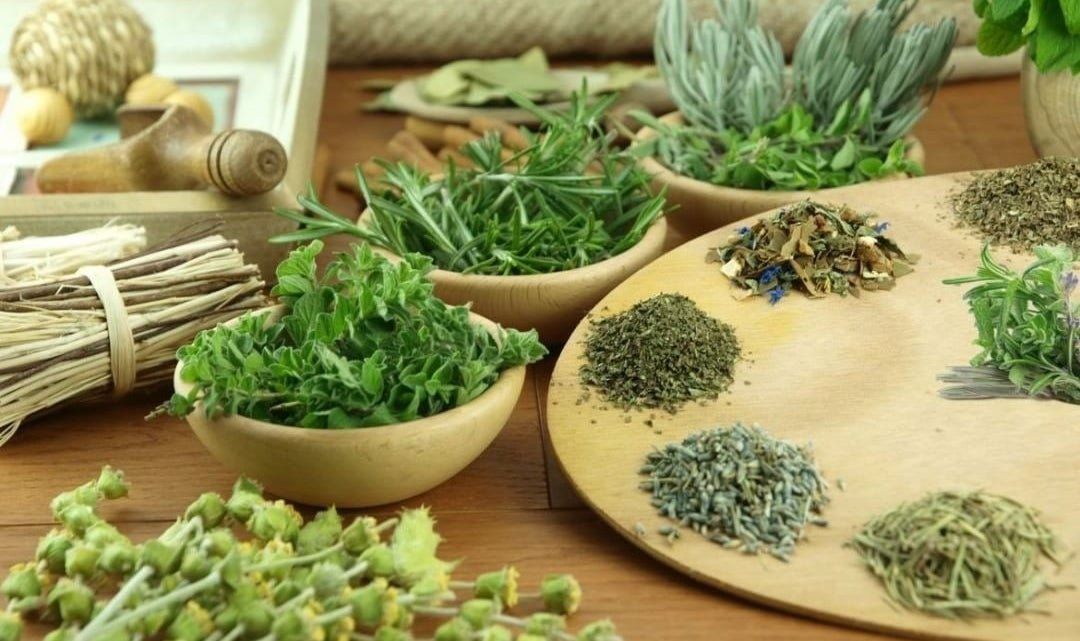
Traditional herbal products and natural remedies sold by ethnic vendors
Travel Tips for Visiting Bac Ha Market
A well-planned visit can make your experience more enjoyable and meaningful. Whether it’s your first time exploring the Northern highlands or part of a longer journey, a few practical tips will help you make the most of Bac Ha market while respecting local culture and traditions.
Best Time to Visit
Timing plays an important role when visiting Bac Ha market, as arriving early in the morning allows you to witness the most vibrant and authentic moments. From around 7:00 AM to 10:00 AM, the market is at its busiest, filled with traders in traditional attire and a lively atmosphere.
The weather is also more pleasant during the early hours, especially in the cooler months from October to April. Planning your trip carefully with a reliable Bac Ha market travel guide can help you choose the ideal time and avoid missing the peak experience. If you plan to stay longer in the region, combining your visit with a guided trekking experience like the Sapa 3 Days 2 Nights Trekking Fansipan Tour can give you a deeper understanding of the landscapes and local culture.
What to Wear and Bring
When preparing for a trip to Bac Ha market, it’s important to dress comfortably and appropriately for the mountain environment. Lightweight clothing, comfortable walking shoes, and a light jacket are recommended, as temperatures can change quickly throughout the day.
Bringing small cash in Vietnamese Dong is essential, as most local vendors do not accept cards. You may also want to carry a reusable bag for purchases, sunscreen, and a camera to capture the vibrant scenes. Being well-prepared ensures a smoother and more enjoyable visit.
Respect Local Culture
Respecting local customs is key to having a positive experience at Bac Ha market. Always ask for permission before taking close-up photos of people, especially elderly individuals or children, and be mindful of personal space.
It is also important to avoid aggressive bargaining, as prices are often already fair and reflect the effort behind handmade goods. Showing appreciation, patience, and kindness will not only enrich your experience but also help maintain the authenticity and integrity of this cultural space.
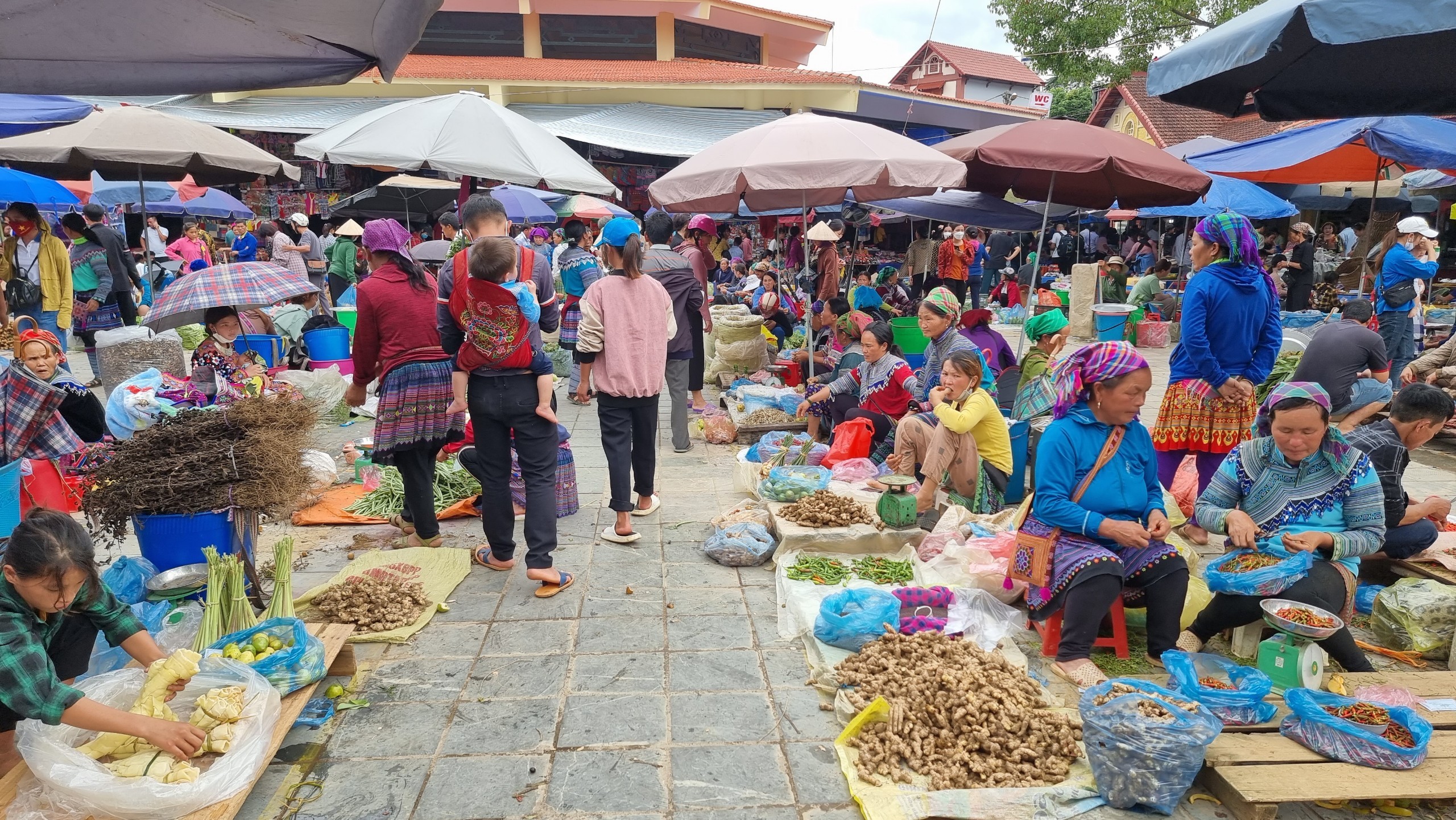
Peaceful closing scene of a highland market at the end of the day
Conclusion
From vibrant ethnic costumes and lively cultural exchanges to unique local products and unforgettable flavors, visiting this highland gathering offers a truly immersive journey into Northern Vietnam’s traditions. Every moment spent at Bac Ha market reveals a deeper connection to the people, their way of life, and the rich heritage that continues to thrive in the mountains.
If you’re looking to experience this destination in the most authentic and meaningful way, consider planning your trip with Sapa Local Tours. Their expertly designed itineraries help you explore beyond the surface, ensuring you don’t just visit but truly understand and connect with Bac Ha market.
Reserve your Sapa journey with Sapa Local Tours today and explore the mountains confidently alongside knowledgeable local guides.
- Email: info@sapalocaltours.com
- Fanpage: https://www.facebook.com/sapalocaltours/