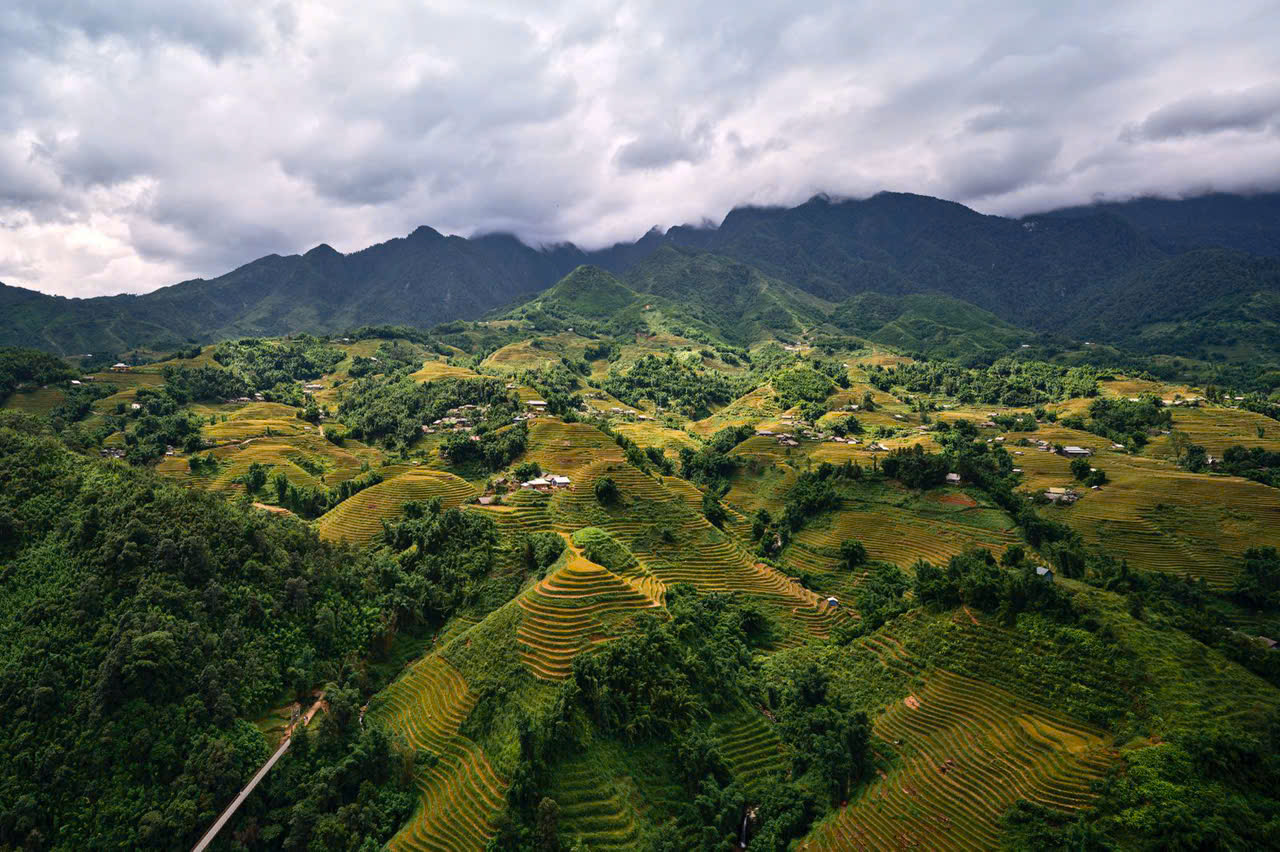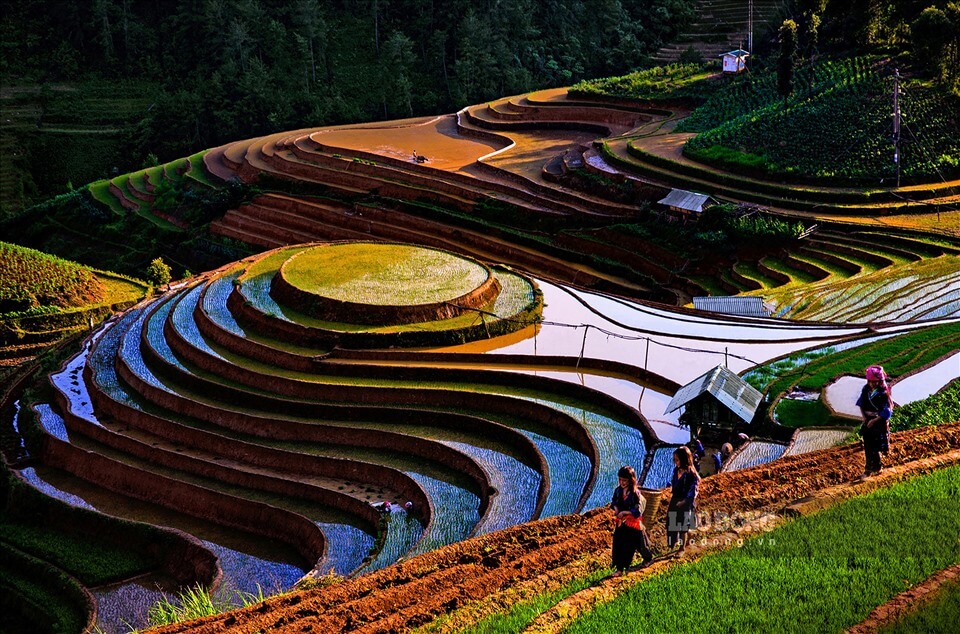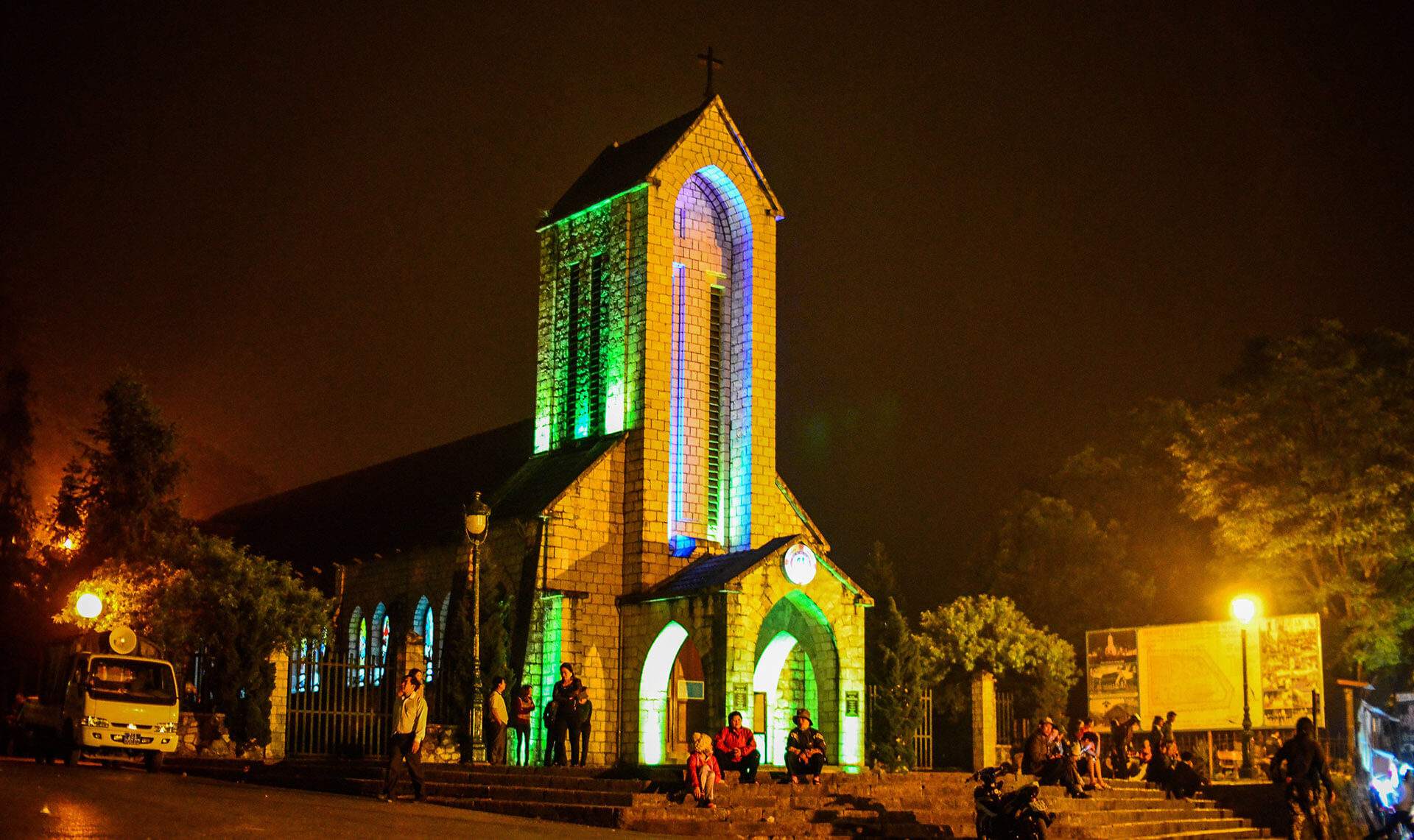
Muong Hoa Valley is one of the most famous tourist attractions in Sapa, attracting visitors with its breathtaking terraced rice fields stretching across the mountains and the majestic natural scenery typical of Vietnam’s Northwest region. Located not far from the center of Sapa town, the valley is not only picturesque but also home to many ethnic minority communities with unique cultural traditions.
In this article, Sapa Local Tours will guide you through the beauty of the valley, explore the location of Muong Hoa Valley, and discover popular attractions such as the Muong Hoa Ancient Rock Field, Muong Hoa Stream, and traditional villages nestled in the valley.
1. Overview of Muong Hoa Valley
- Address: Sa Pa Ward, Lao Cai Province
- Entrance Fee: 80,000 VND/person
Muong Hoa Valley lies to the southeast of Sapa town and is considered one of the most beautiful valleys in the Northwest of Vietnam. The valley is famous for its winding terraced rice fields along the mountain slopes, the peaceful Muong Hoa Stream, and traditional villages inhabited by ethnic groups such as the H’Mong, Dao, and Giay people. Besides being a must-visit attraction in Lao Cai, Muong Hoa Valley offers visitors the opportunity to explore local culture and enjoy exciting trekking activities surrounded by nature.
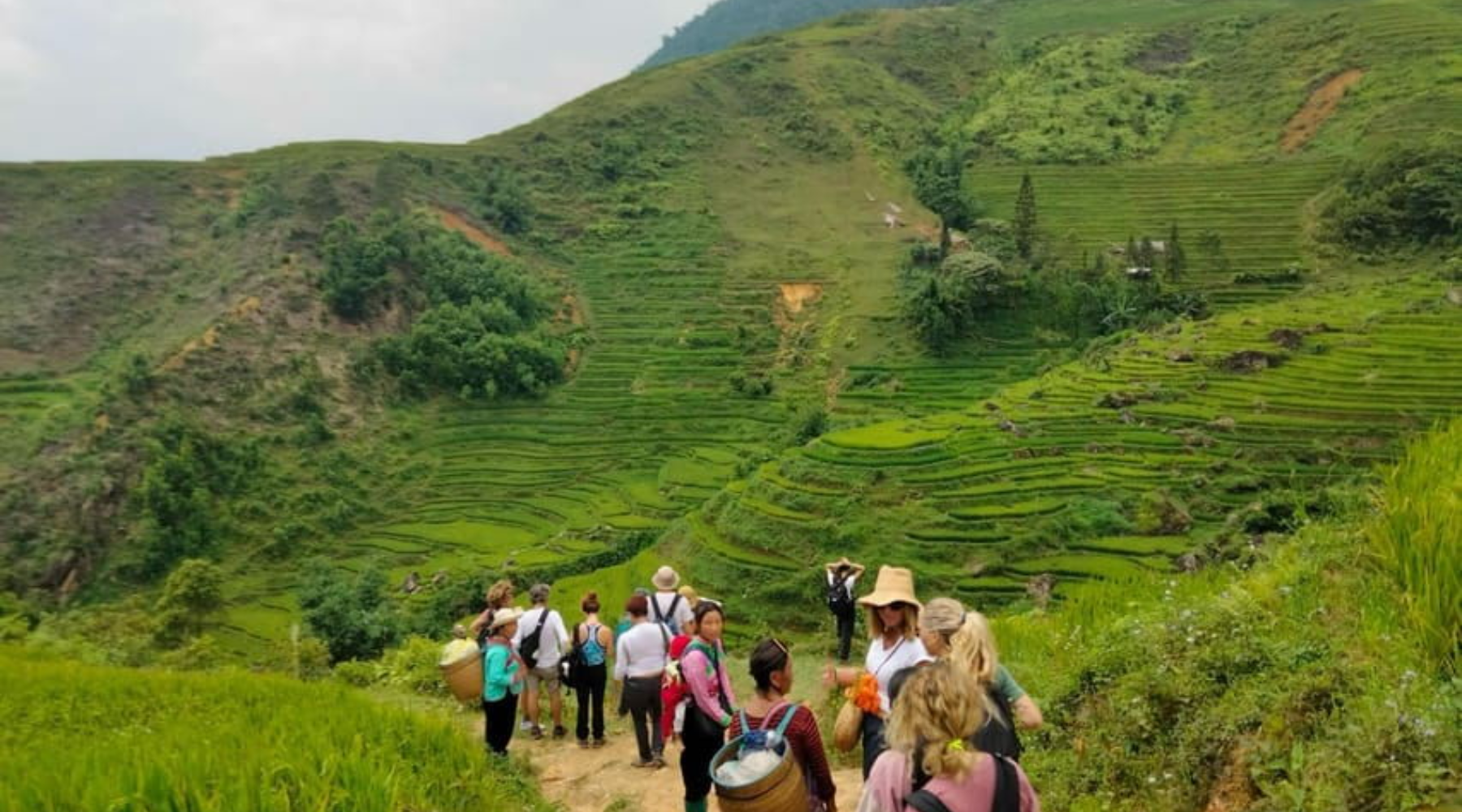
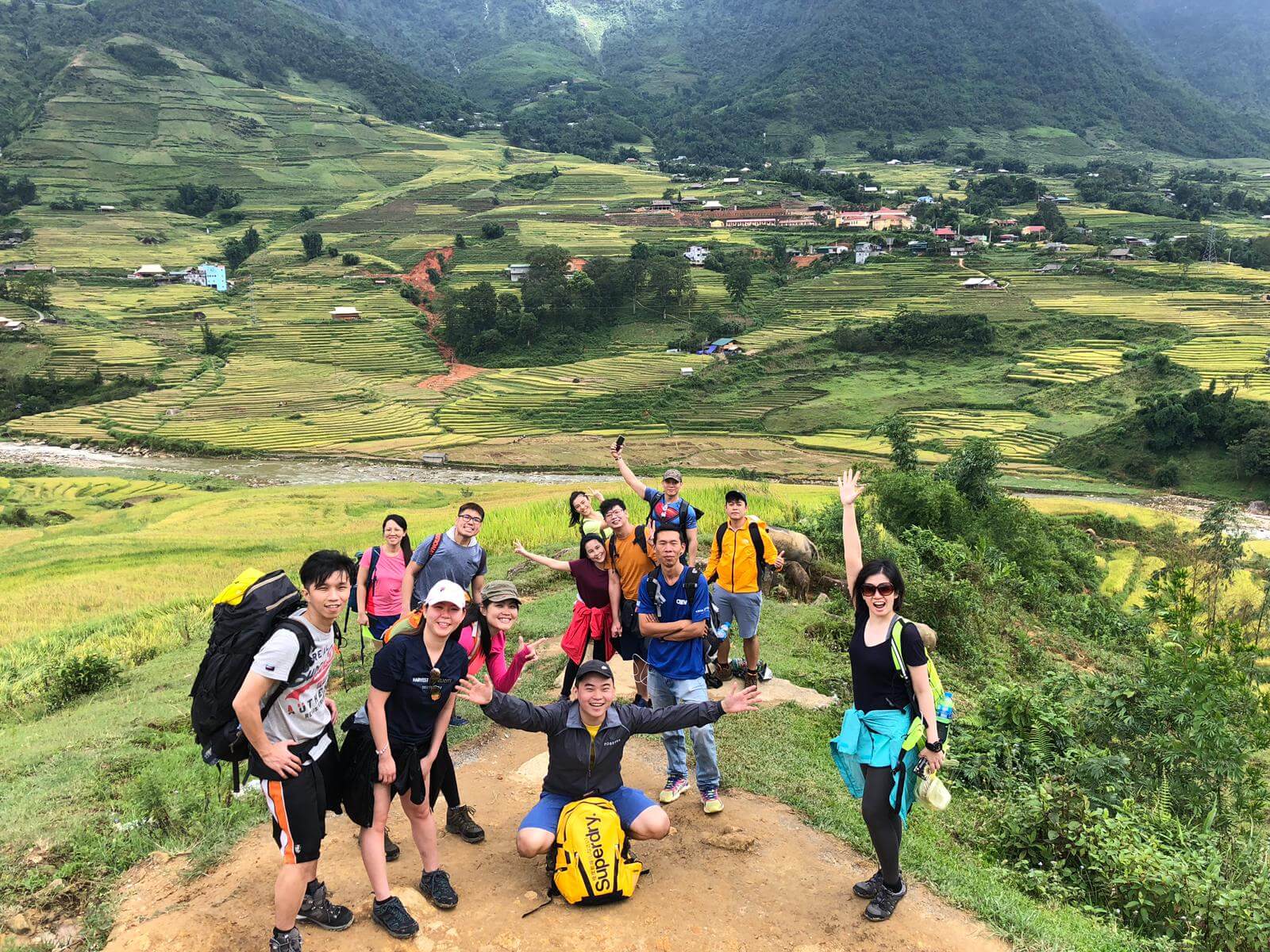
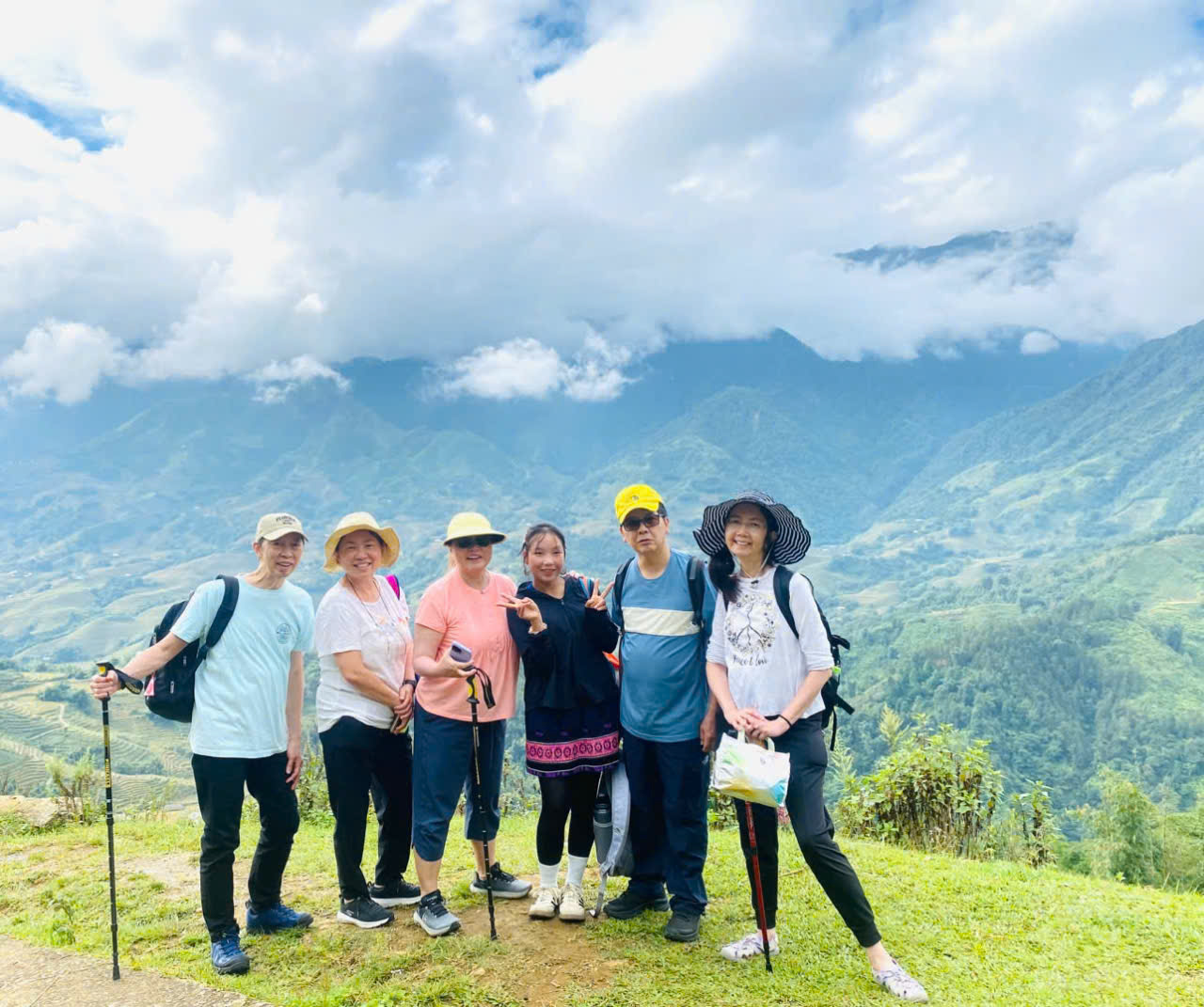
Exciting trekking activities in nature
2. Directions to Muong Hoa Valley
2.1 Distance from Sapa Town to Muong Hoa Valley
The location of Muong Hoa Valley is about 8 km southeast of Sapa town center, and the journey takes around 20–30 minutes. Along the way, visitors can enjoy scenic mountain roads, terraced rice fields, and traditional villages typical of the Northwest region. If you check a Muong Hoa Valley map, you will see that the valley stretches across several famous villages such as Lao Chai and Ta Van.
2.2 Popular Transportation Options
After understanding the directions to Muong Hoa Valley, visitors can choose from several transportation options:
- Motorbike: A popular choice among travelers because it offers flexibility and allows stops for sightseeing and photography along the way.
- Taxi or Car: Ideal for families or groups who prefer a comfortable and faster journey.
- Trekking: For adventure lovers, trekking is one of the best ways to explore the valley and pass through local villages while enjoying the beautiful landscape.
3. Natural Beauty of Muong Hoa Valley
3.1. Sapa’s Famous Terraced Rive Fields
- Address: Lao Chai – Ta Van area, Muong Hoa Valley, Sapa.
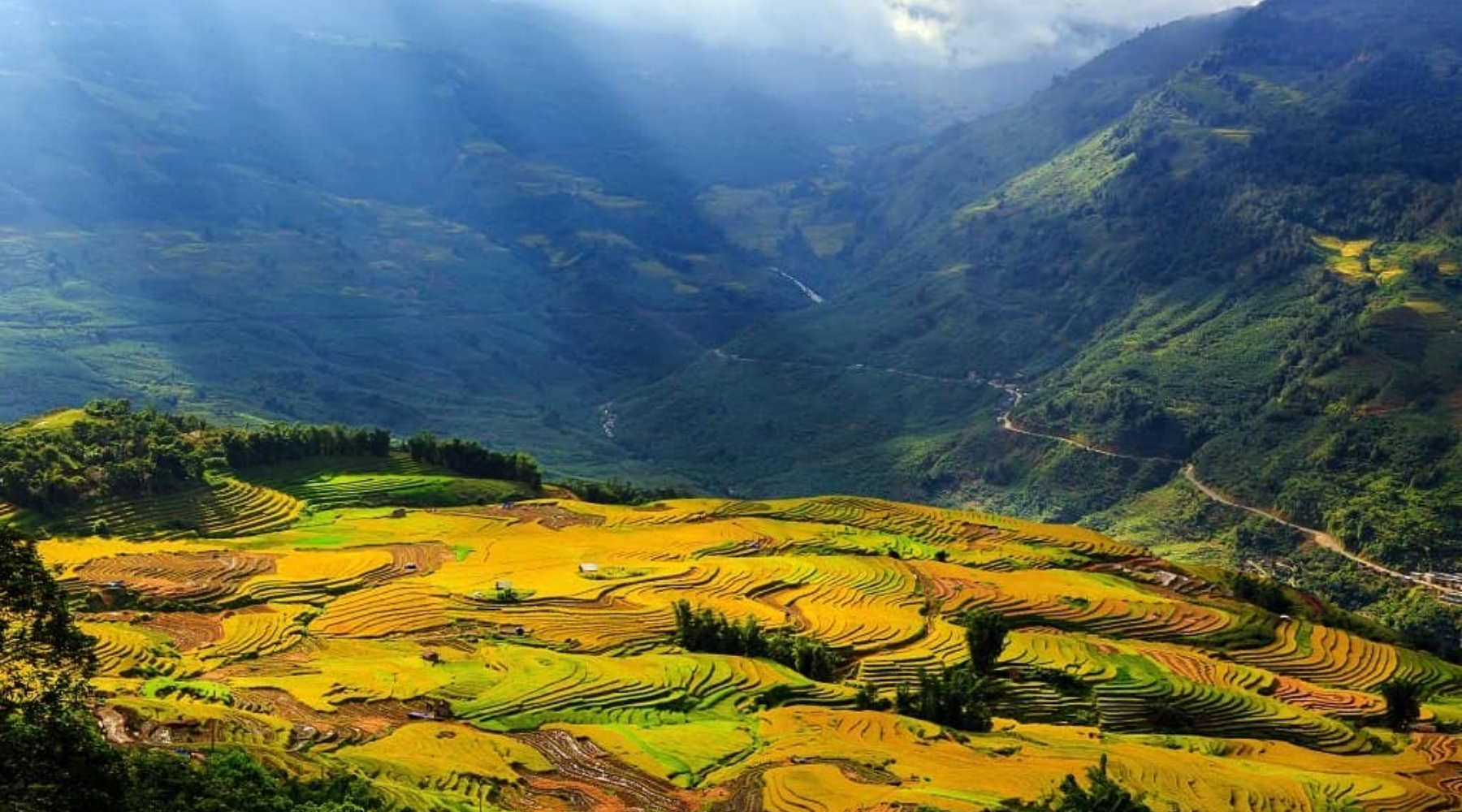
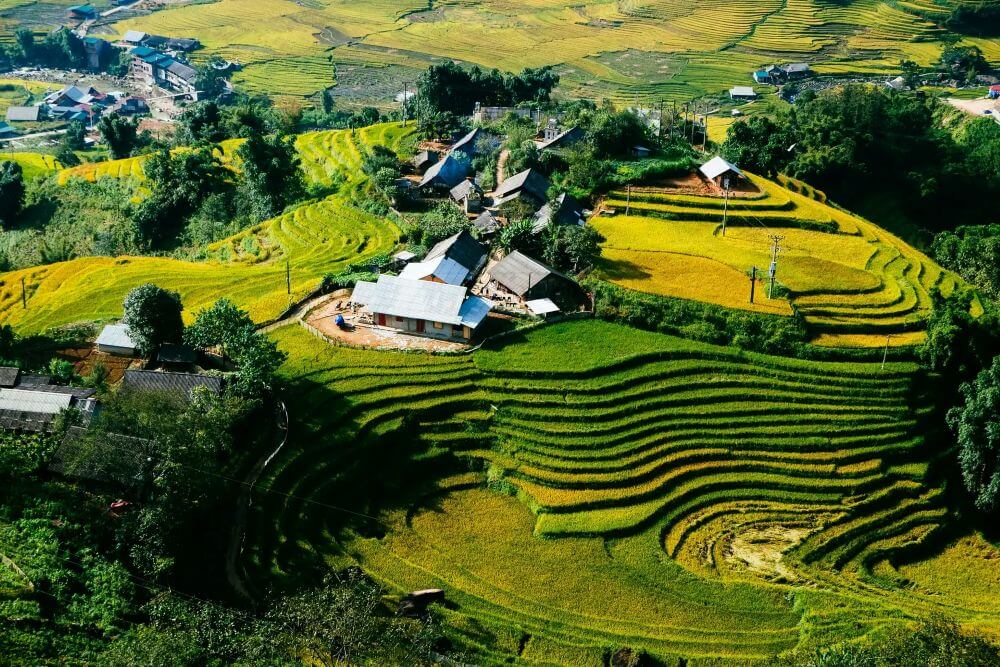
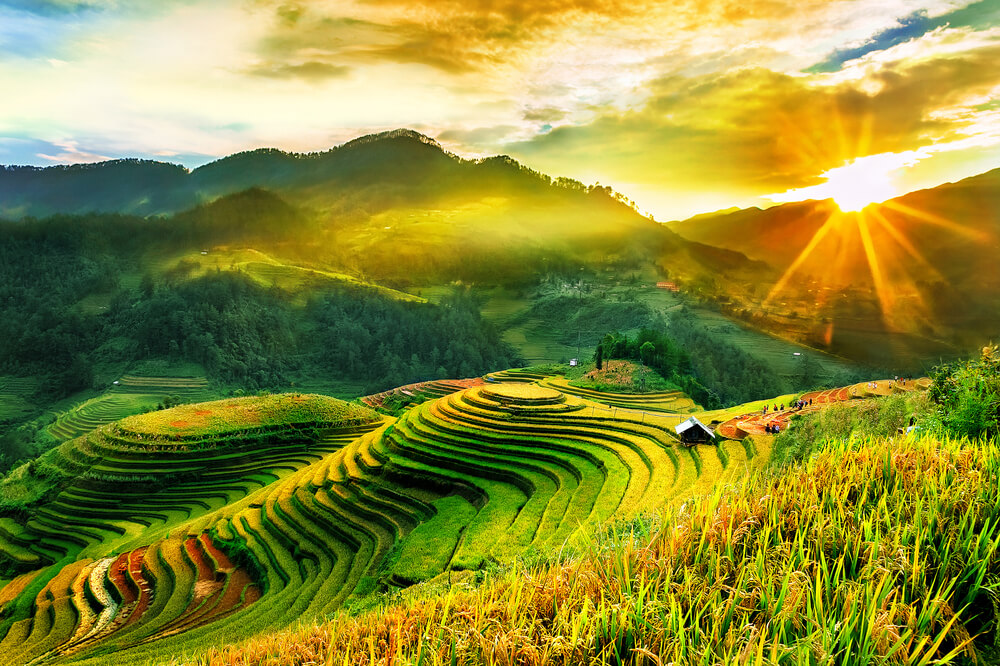
The terraced rice fields here are considered one of the most beautiful landscapes in Sapa. These terraces were cultivated by local people hundreds of years ago and follow the natural curves of the mountains. During the rice harvest season (September to October), the entire valley turns golden, attracting many tourists and photographers.
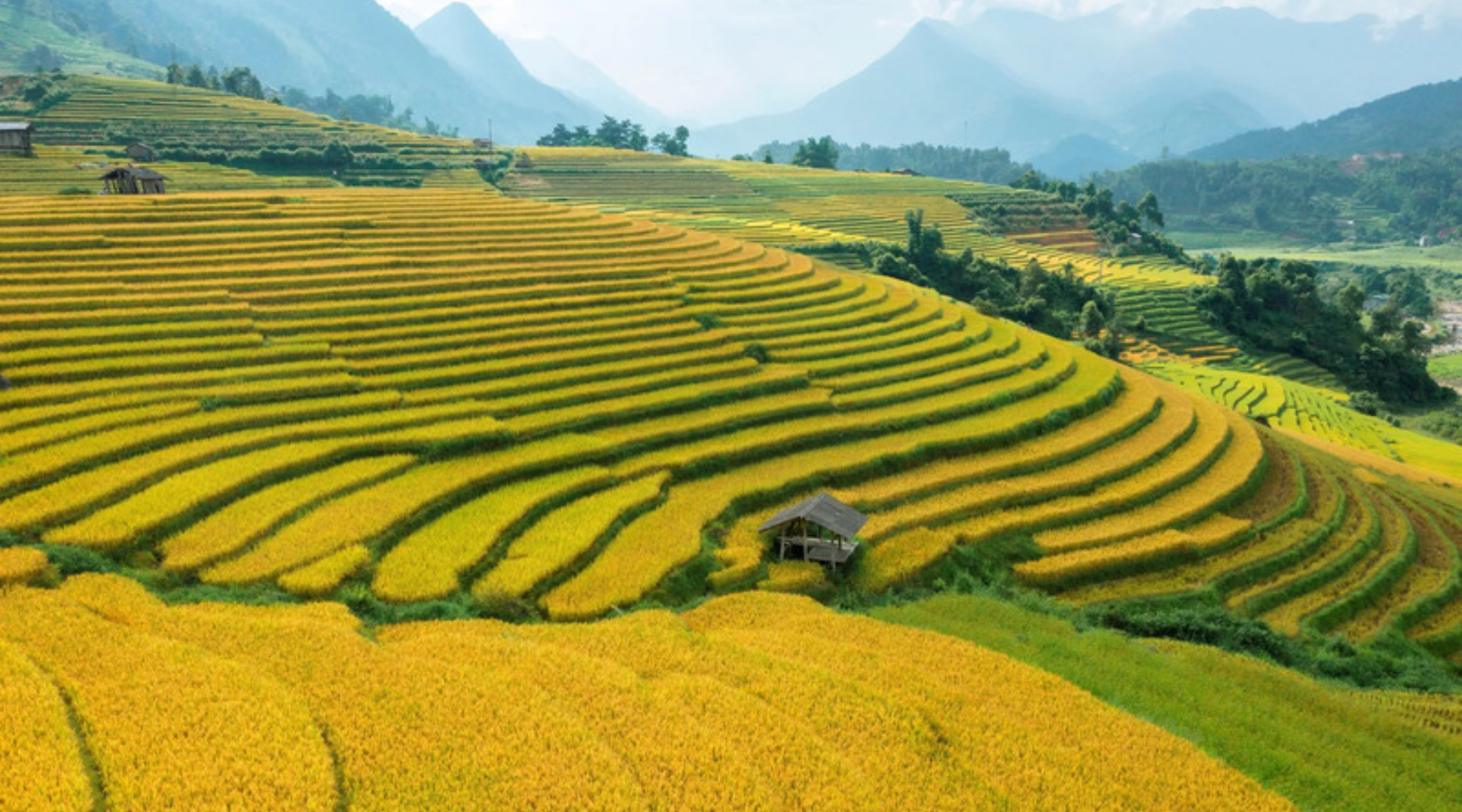
Terraced rice fields during the golden harvest season
3.2. The Mystreious Muong Hoa Ancient Rock Field
- Address: Located between Lao Chai Village and Ta Van Village in Muong Hoa Valley.
The Muong Hoa Ancient Rock Field is a famous archaeological site with more than 150 large and small stones engraved with ancient symbols and drawings. These mysterious carvings are believed to be related to the life and beliefs of ancient residents who once lived in the area. Today, the rock field has become a fascinating attraction for visitors interested in history and culture.
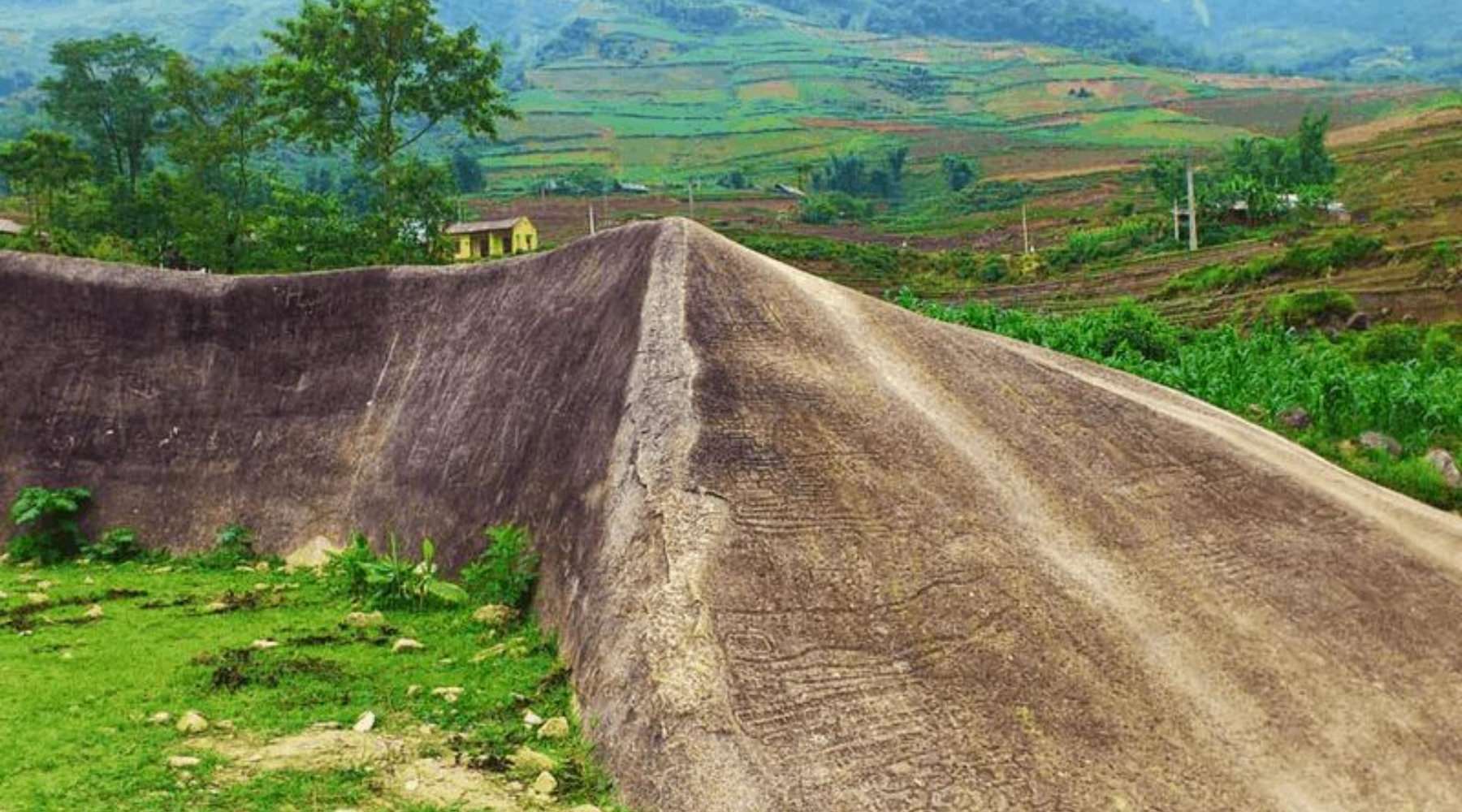
The mysterious Muong Hoa Ancient Rock Field
3.3. The Romantic Muong Hoa Stream
- Address: Flowing through Lao Chai and Ta Van villages in Muong Hoa Valley.
Muong Hoa Stream is a small stream running through the valley, creating a peaceful and poetic landscape. Along the banks are lush terraced fields and traditional villages of ethnic minorities. Many visitors stop here to relax, admire the scenery, and enjoy the fresh mountain air.
3.4. Lao Chai Village
- Address: Lao Chai Commune, Muong Hoa Valley, Sapa.
Lao Chai Village is mainly home to the H’Mong people and is well known for its vast terraced rice fields. Visitors can learn about the daily life of local people and explore their traditional culture.
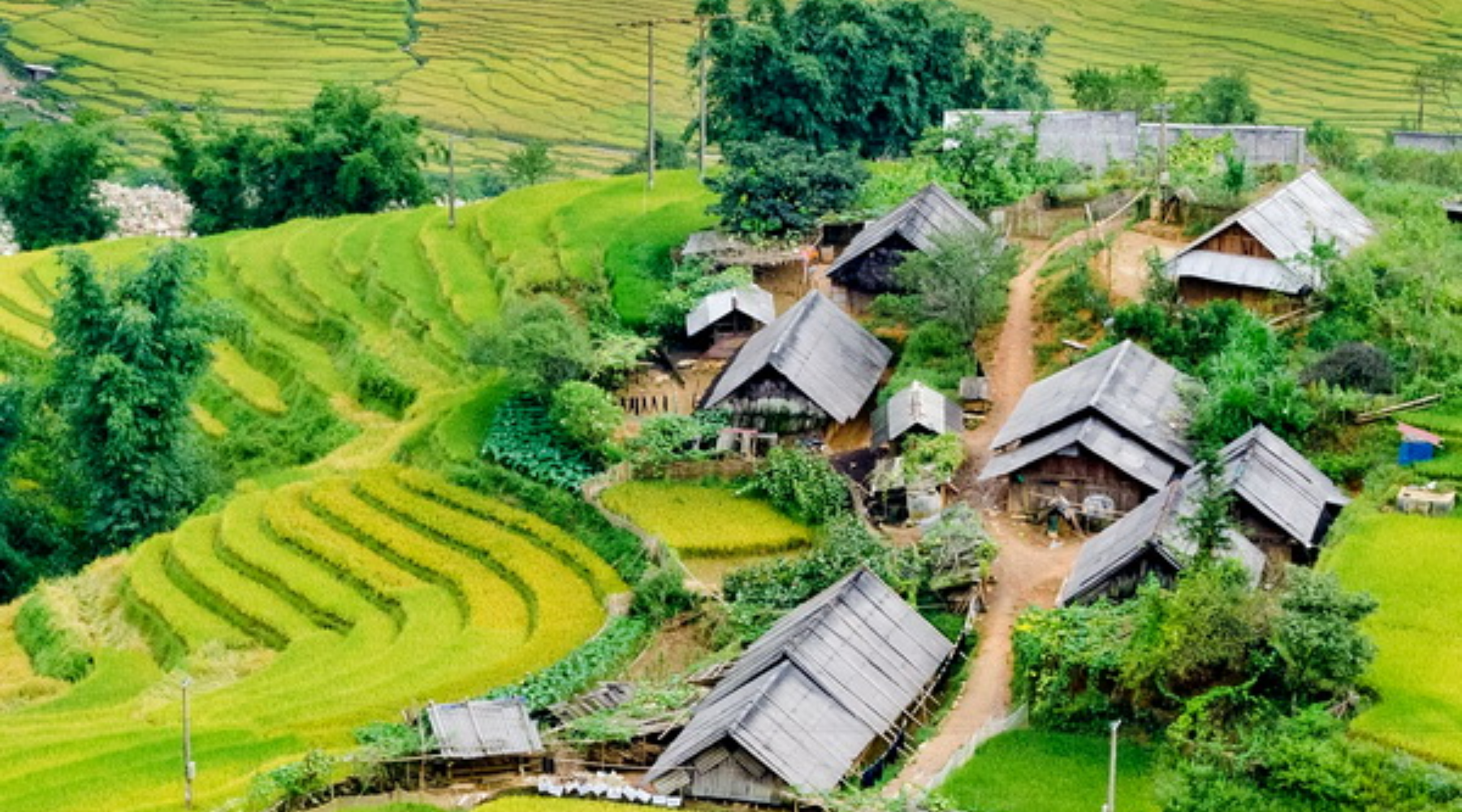
Lao Chai Village – Home to the H’Mong ethnic community
3.5. Ta Van Village
- Address: Ta Van Commune, Muong Hoa Valley, Sapa.
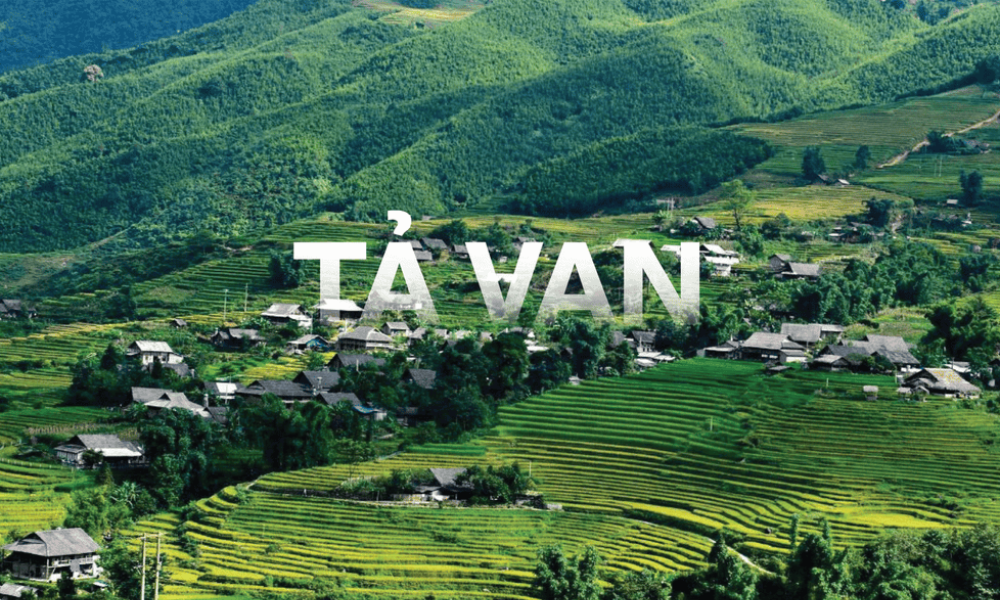
Ta Van Village is a popular stop on the Muong Hoa Valley loop, a trekking route through the valley. It is home to the Giay and Red Dao ethnic groups and is famous for its traditional stilt houses and peaceful natural surroundings. Many travelers choose to stay in local homestays here to experience authentic village life.
4. Muong Hoa Valley Weather by Season
4.1. Spring – Fresh Green Landscapes
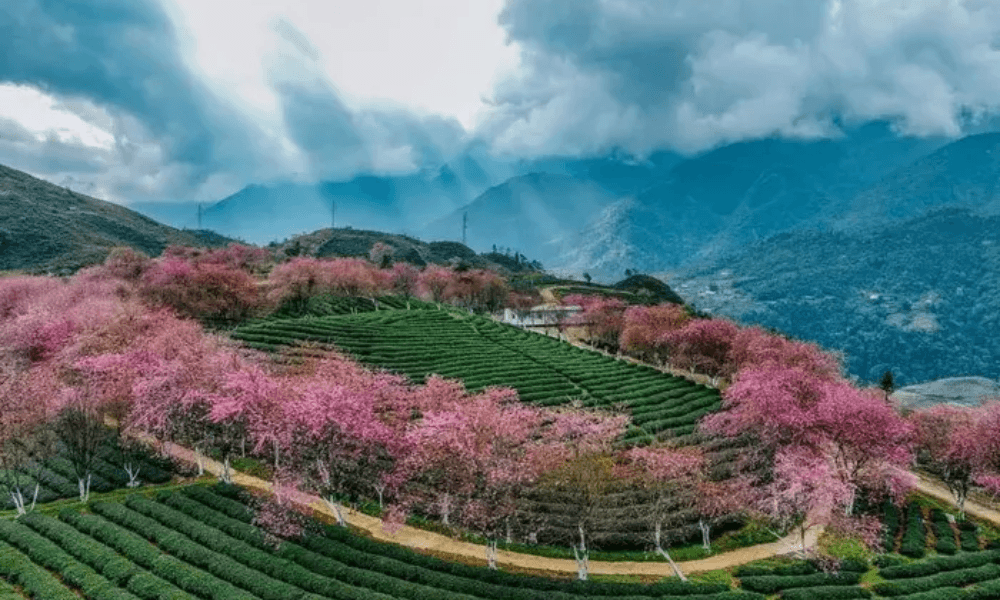
In spring, Muong Hoa Valley is covered with fresh green colors from trees and rice fields. Many flowers bloom during this time, creating a vibrant natural landscape. The Muong Hoa Valley weather in spring is cool and pleasant, making it ideal for sightseeing and trekking.
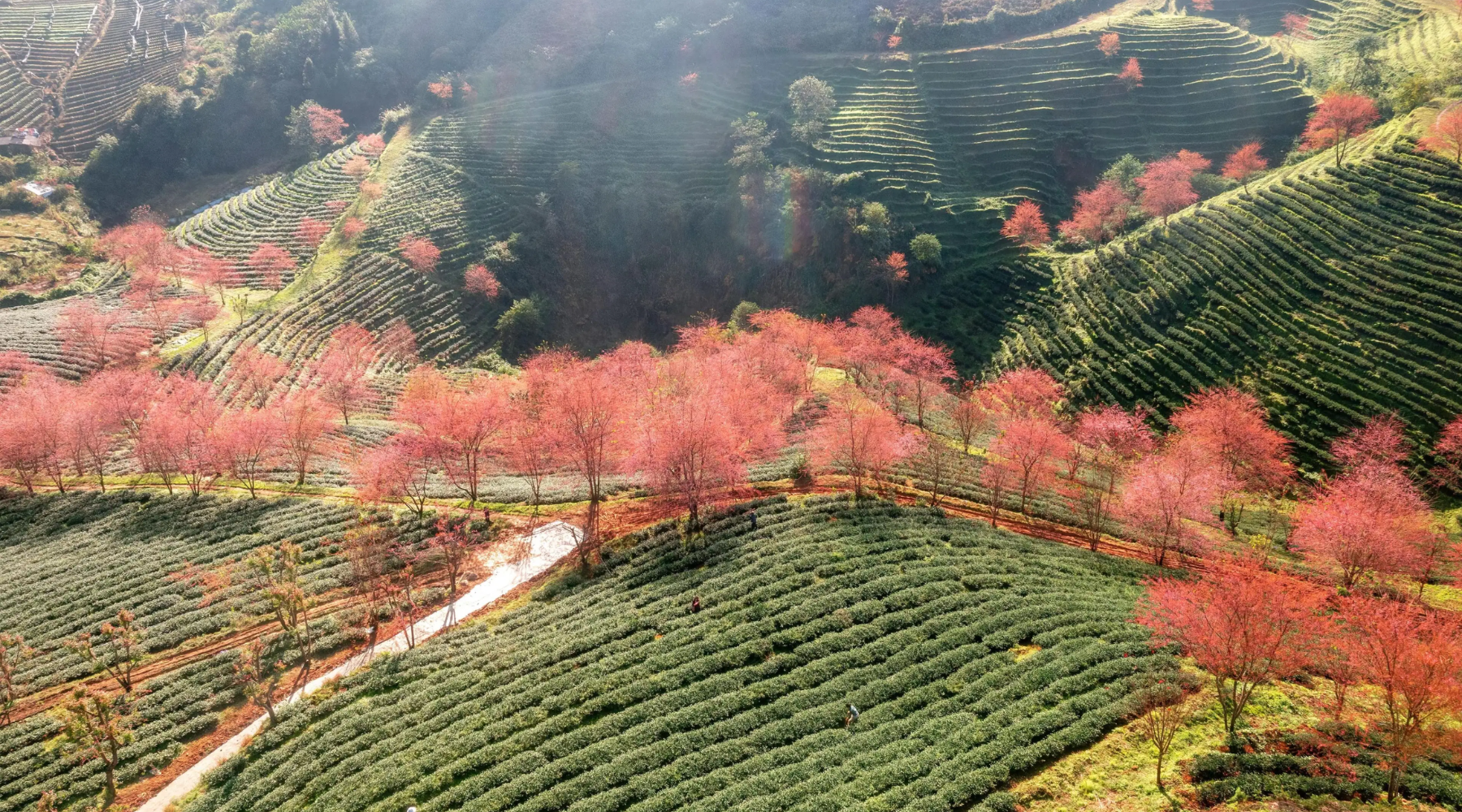
Spring in Muong Hoa Valley
4.2. Summer – The Water Season of Terraced Fields
Summer marks the water-pouring season, when farmers fill the terraces with water to prepare for rice cultivation. The sunlight reflects on the water surface, creating a shimmering and unique landscape typical of the Northwest mountains.
4.3. Autumn – The Most Beautiful Golden Rice Season
Autumn is considered the best time to visit Muong Hoa Valley. During the harvest season, the rice terraces turn bright golden, making the entire valley incredibly stunning.
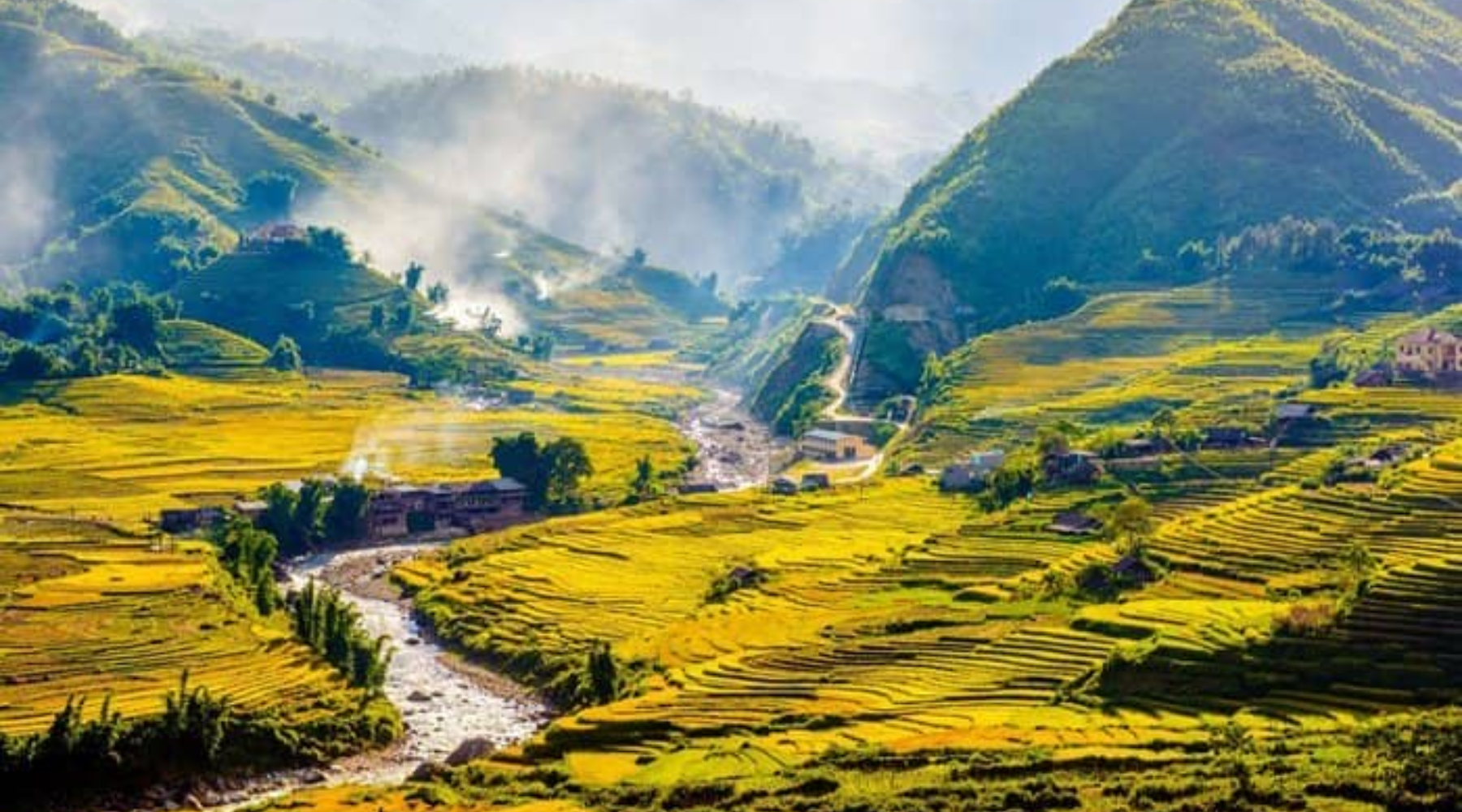
Autumn in Muong Hoa Valley
4.4. Winter – Misty and Magical Atmosphere
In winter, Muong Hoa Valley is often covered in light mist, creating a magical and romantic atmosphere. The cold mountain air offers a unique travel experience for visitors.
5. Tips for Trekking and Exploring Muong Hoa Valley
Trekking through Muong Hoa Valley is an amazing experience that allows visitors to fully enjoy the natural beauty and local culture of Sapa. However, to ensure a safe and enjoyable trip, you should keep the following tips in mind:
- Wear suitable shoes: Choose trekking shoes or sports shoes with good grip for walking on mountain trails and terraced fields.
- Bring water and light snacks: Exploring the valley may take several hours, so it’s important to stay hydrated and maintain energy.
- Check the Muong Hoa Valley weather before traveling: The weather can change quickly, especially during the rainy season or winter when fog is common.
- Respect local culture: When visiting villages in the valley, respect local customs and the daily life of ethnic communities.
- Protect the environment: Avoid littering and help preserve the natural beauty of Muong Hoa Valley.
- Consider hiring a local guide: If you are unfamiliar with trekking routes or want to learn more about local culture, traveling with a guide can make your journey safer and more meaningful.
Conclusion
Muong Hoa Valley is not only one of the most beautiful destinations in Sapa but also a place where majestic natural landscapes blend with the unique cultural identity of the Northwest mountains. With its endless terraced rice fields, the poetic Muong Hoa Stream, and traditional ethnic villages, the valley offers unforgettable travel experiences.
If you want to explore Sapa more deeply, you can join the Y Linh Ho – Lao Chai – Ta Van Trekking Tour, where travelers can trek through famous villages such as Y Linh Ho, Lao Chai, and Ta Van while learning about the lifestyle and culture of local people. For more information about trekking tours and other attractions in Sapa, you can visit the website or fanpage of Sapa Local Tours.
Phone/WhatsApp: +84.878.256.777
Email: info@sapalocaltours.com
Address: No. 55 Bui Thi Xuan Street, Hai Ba Trung Ward, Hanoi City, Vietnam