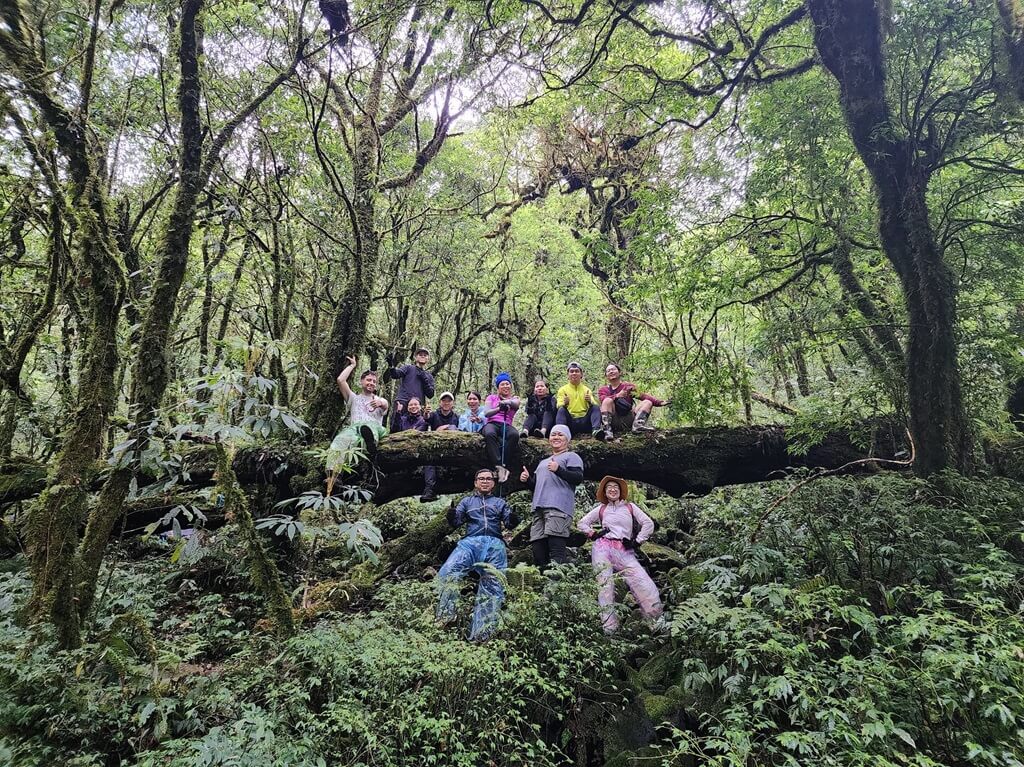
Understanding the Difficulty of Trekking in Sapa
The mountainous terrain around Sapa offers trails suitable for many different types of travelers. Some paths are gentle walks through terraced valleys, while others involve steeper climbs and longer distances. Because of this variety, Sapa trekking can be adapted to different fitness levels and travel styles. When planning a route, it is helpful to understand the Sapa trekking difficulty levels so that you can choose a trail that matches your experience and the time you have available.
Easy Trails for Beginners
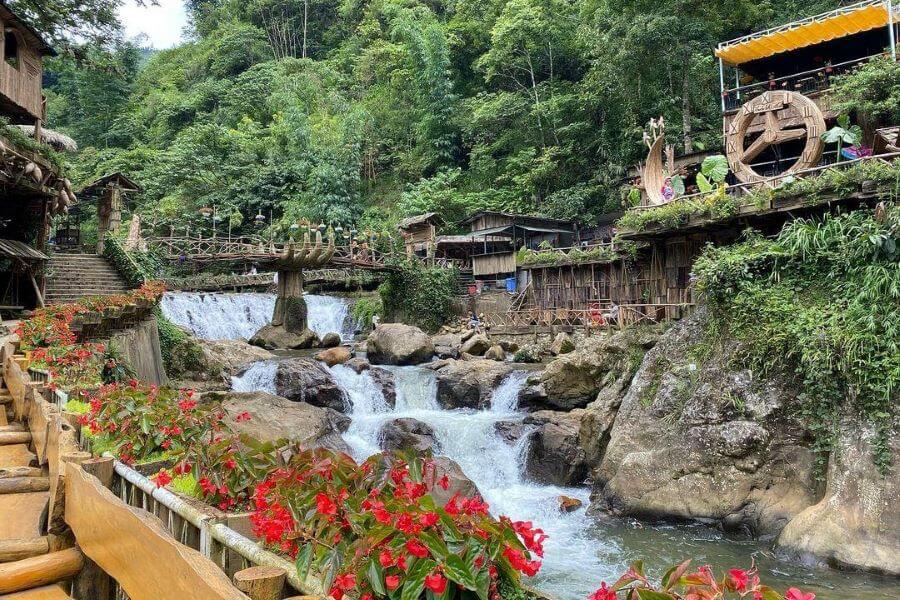
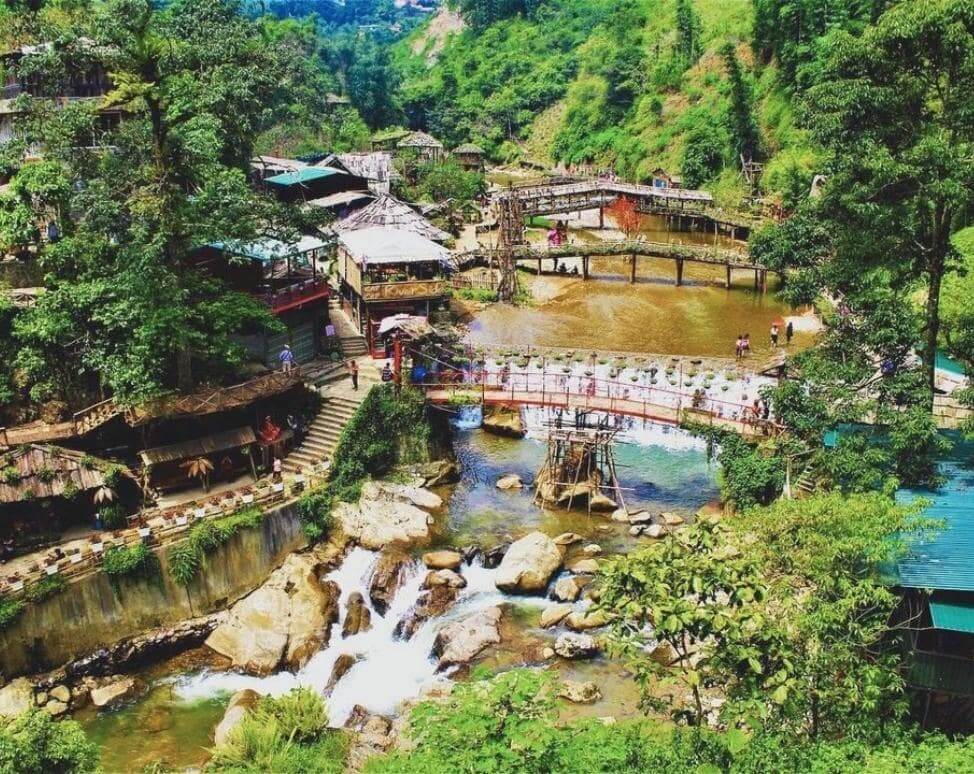
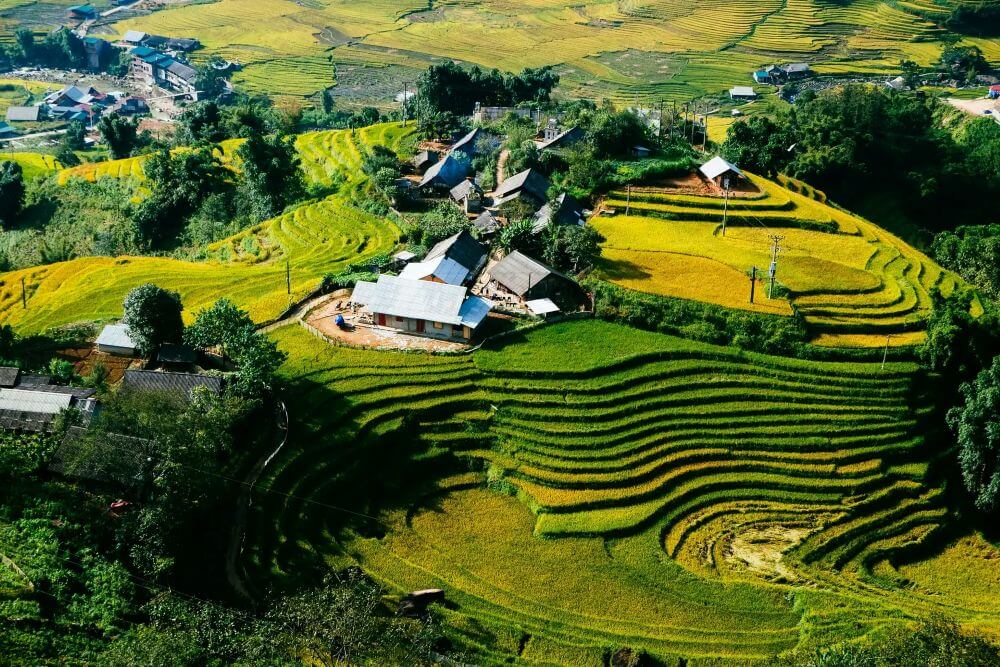
Some routes are perfect for travelers who want to experience Sapa trekking without facing demanding terrain. Short valley walks such as those near Cat Cat Village or sections of the Muong Hoa Valley usually follow wider paths and gradual slopes. These trails allow visitors to enjoy scenic rice terraces and local villages while keeping the pace relaxed.
Moderate Trails Through Rice Terraces
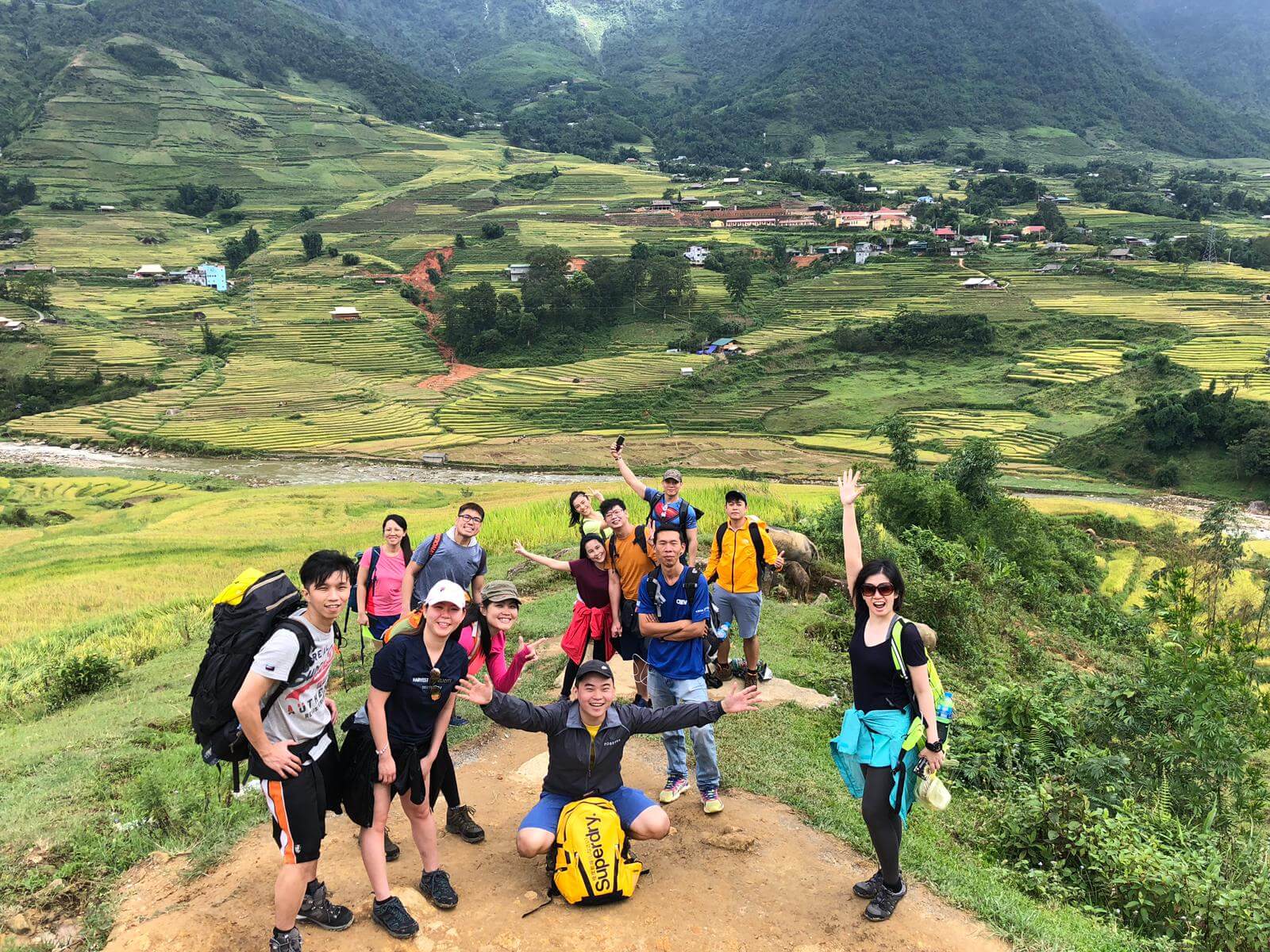
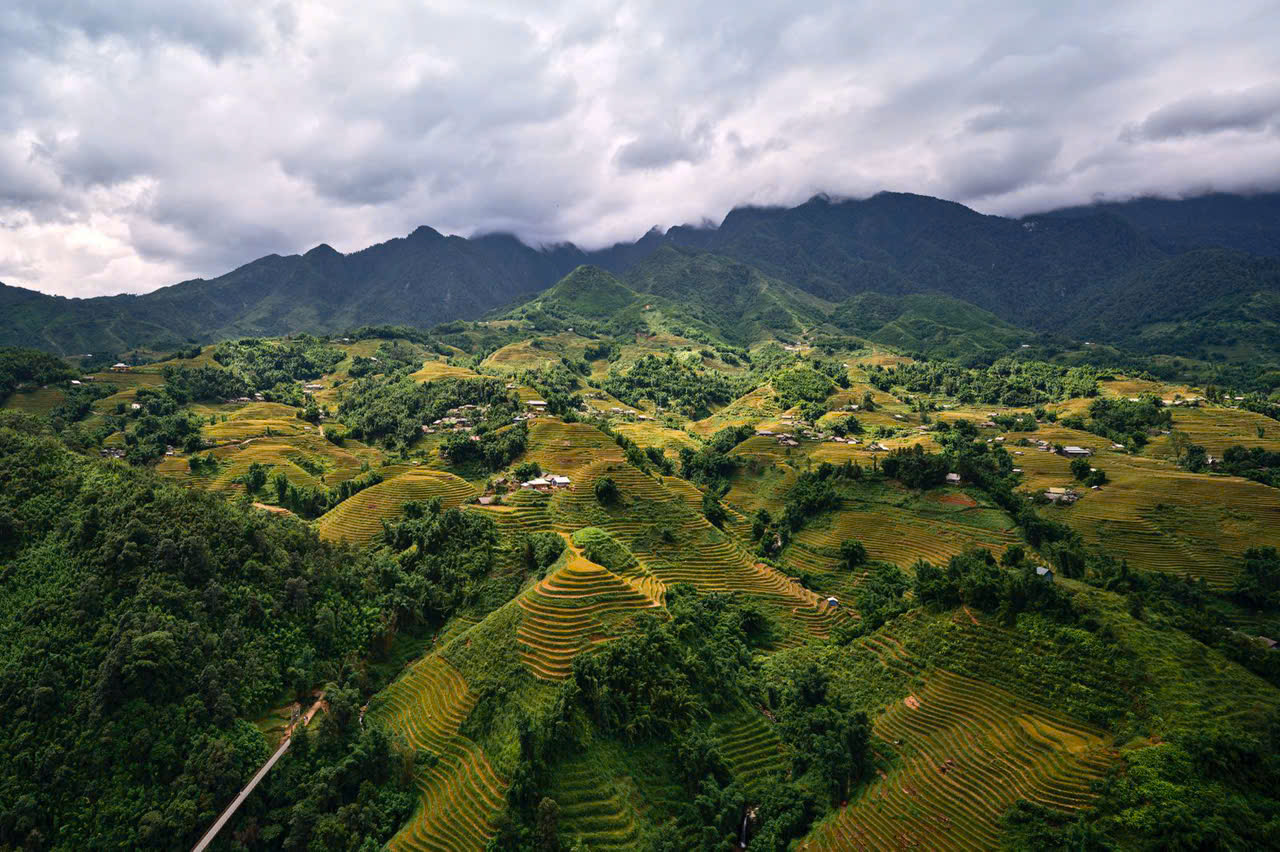
Many popular routes fall into the moderate category of Sapa, combining longer distances with a mix of valley paths and hillside trails. Walks connecting villages like Lao Chai and Ta Van often include gentle climbs, narrow trails, and beautiful terrace views. These routes provide a balanced experience for travelers who want both scenery and light adventure.
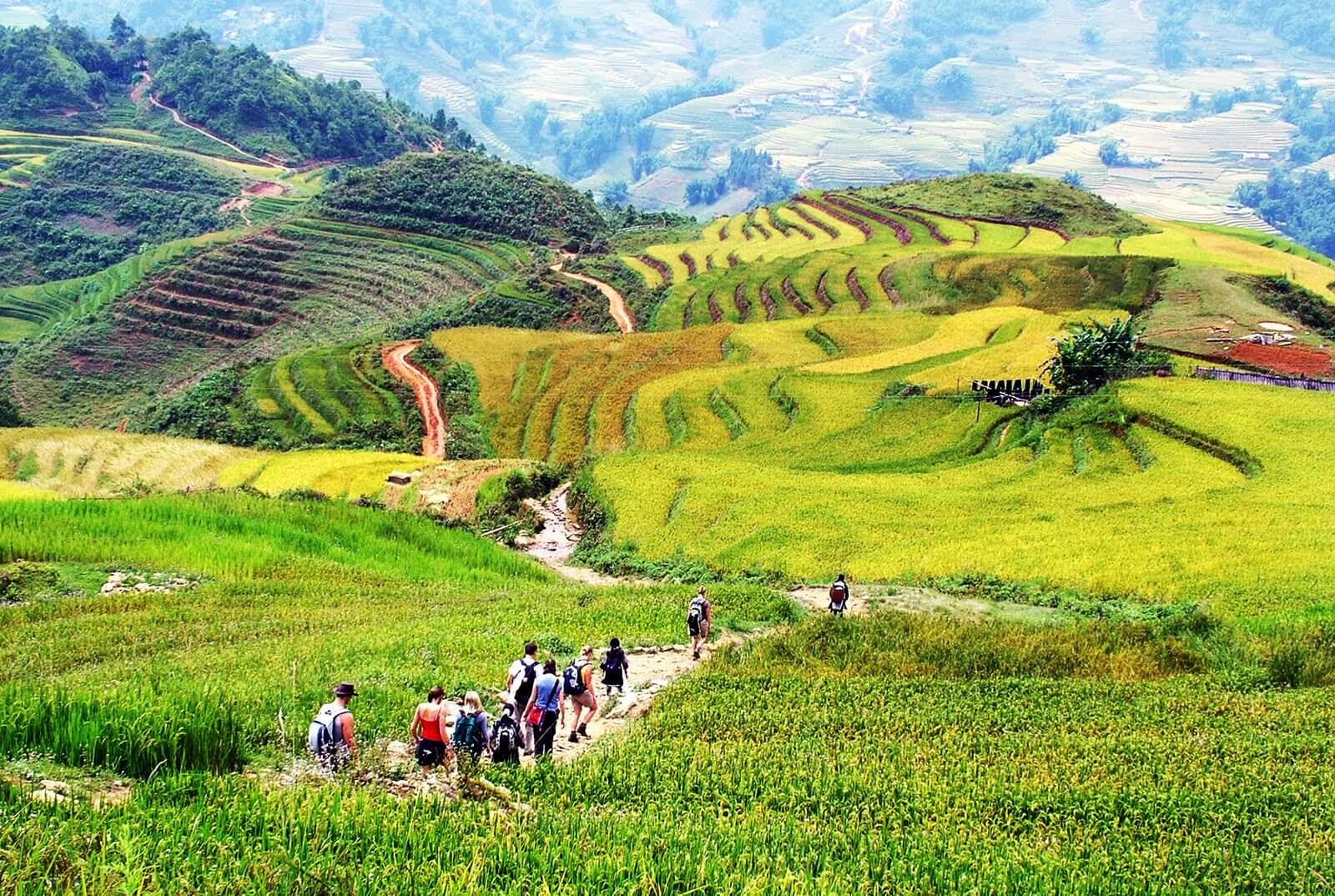
Scenic walking trail winding through terraced fields
Challenging Mountain Treks
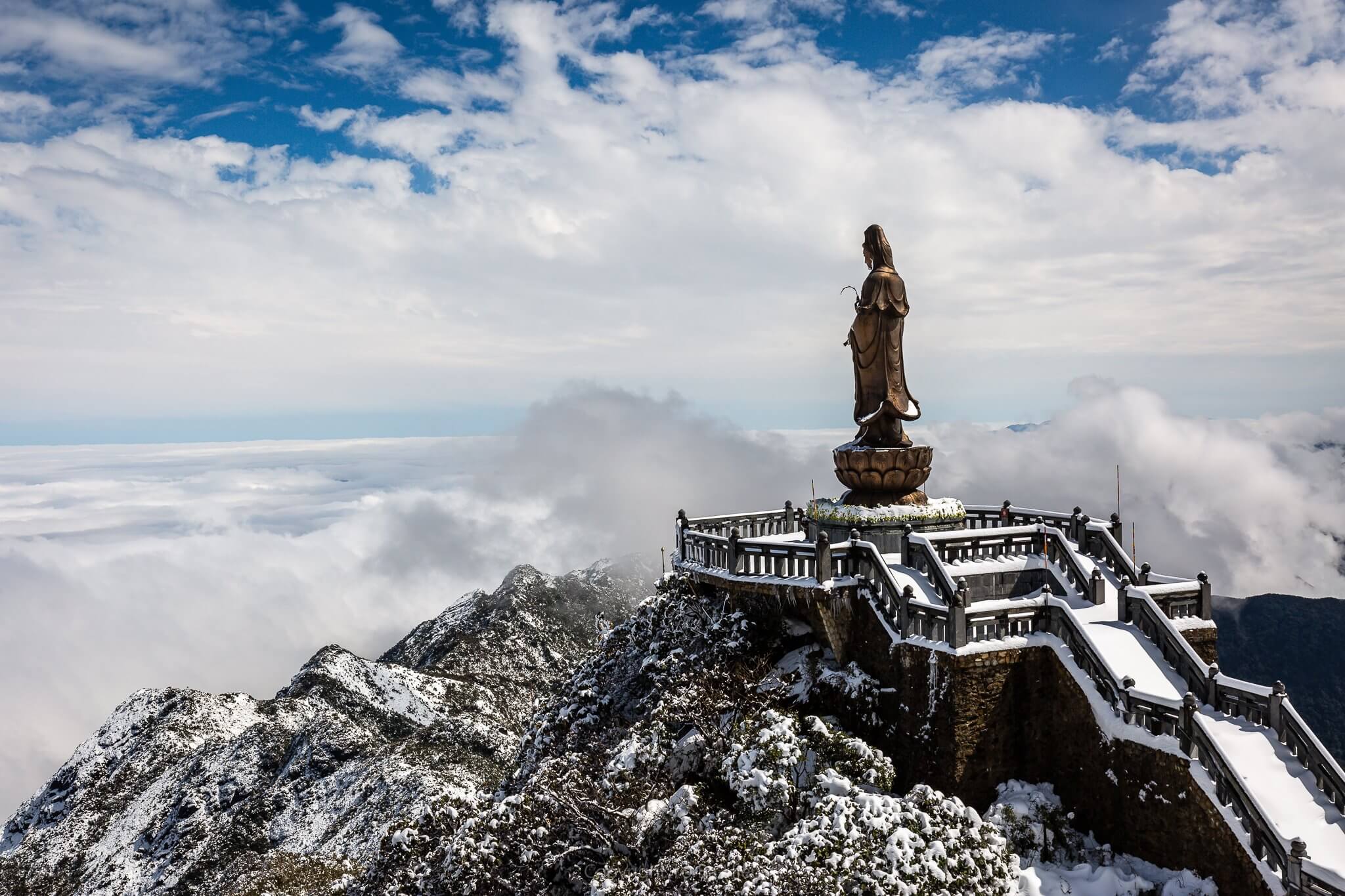
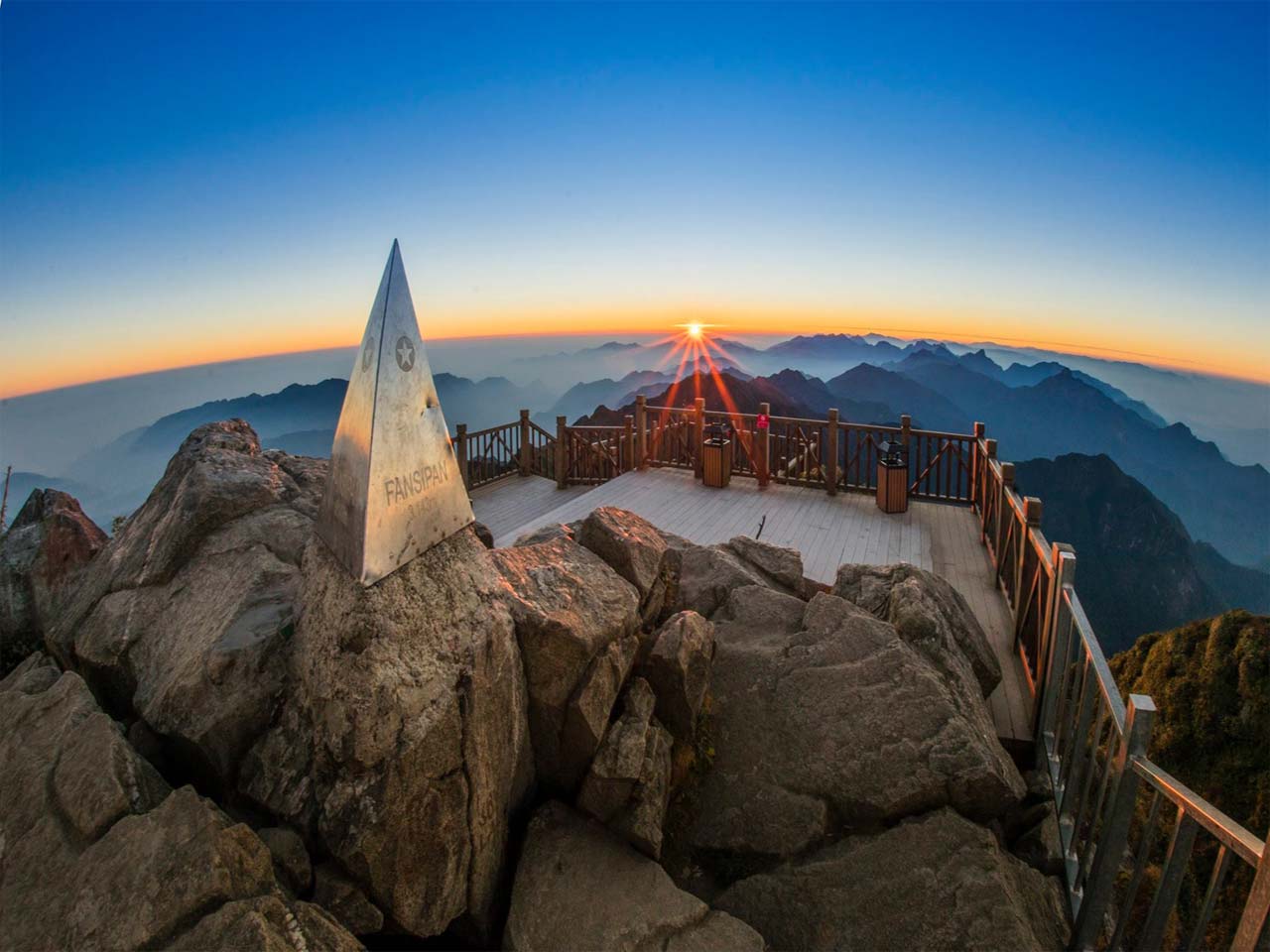
For experienced hikers, Sapa trekking can become more physically demanding when the trails move deeper into the mountains. Routes near the forests of Hoang Lien National Park or extended multi-day treks require stronger stamina and good preparation. Steeper paths, longer walking hours, and remote landscapes make these journeys more challenging but also incredibly rewarding.
Villages You Will Encounter Along the Trails
Beyond the dramatic landscapes, one of the most memorable parts of Sapa trekking is the opportunity to visit traditional villages scattered across the valleys. These communities are home to several ethnic minority groups who have preserved their customs, architecture, and farming traditions for generations.
Walking through these villages allows travelers to observe daily life, from terraced farming and handicraft making to children playing along narrow mountain paths. Each stop along the trail offers a deeper cultural connection that makes the trekking experience more meaningful. Many well-known routes naturally pass through several settlements, often referred to as Sapa trekking villages, where visitors can interact with locals and experience authentic mountain life.
Lao Chai Village
Lao Chai Village sits in the heart of the Muong Hoa Valley and is one of the largest Hmong communities in the region. During trekking, travelers often walk along hillside trails that overlook sweeping rice terraces stretching across the valley floor. Wooden houses are scattered along the slopes, and farmers can frequently be seen tending their fields. The open landscape makes Lao Chai a great place to pause and enjoy panoramic views of the surrounding mountains.
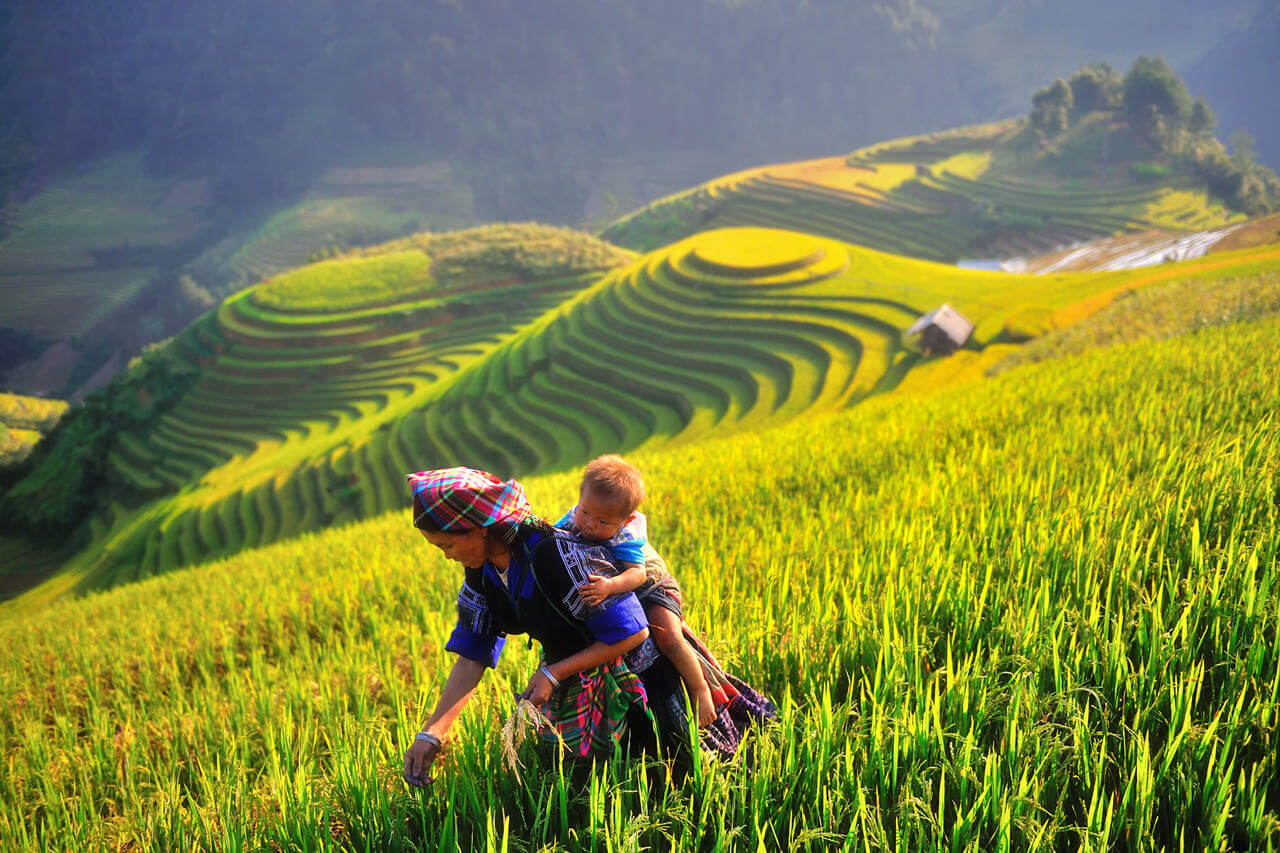
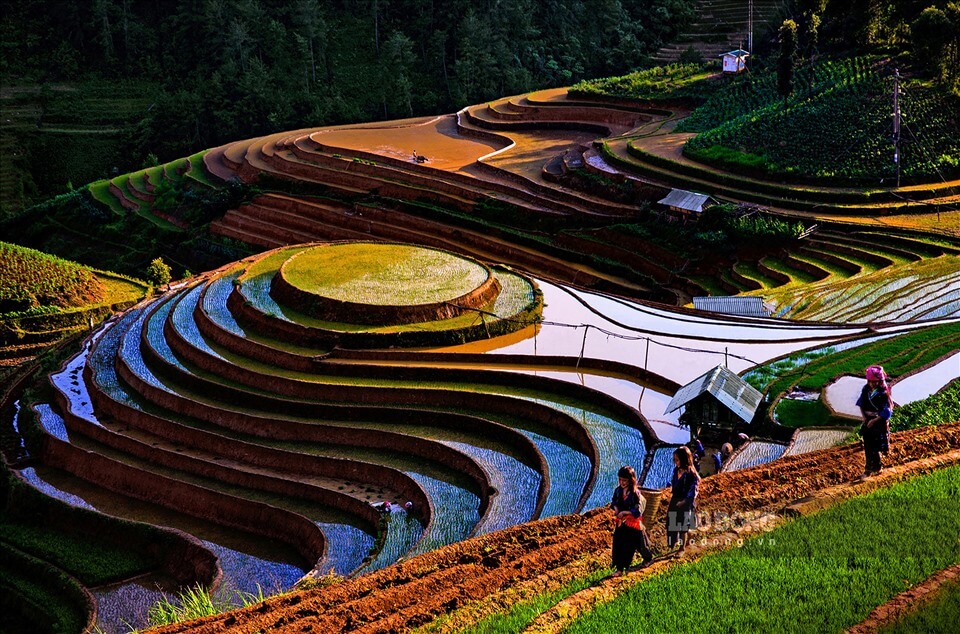
Hmong farmers working in the rice fields
Ta Van Village
Ta Van Village is known for its calm atmosphere and scenic location beside a small stream. Many travelers reach this area during Sapa trekking routes that connect Lao Chai and other nearby villages. The village is home to the Giay ethnic group, whose traditional stilt houses and community lifestyle create a warm and welcoming environment. Because of its peaceful setting, Ta Van has become a popular place for overnight homestays where visitors can enjoy local dishes and learn about rural life.
Travelers who want to spend more time exploring the valley often choose multi-day routes that include overnight stays in local villages. A Sapa 3 days 2 nights trekking tour with bungalow stay allows visitors to walk through several ethnic communities while enjoying peaceful nights surrounded by mountain scenery.
Giang Ta Chai Village
Hidden deeper in the valley, Giang Ta Chai Village is surrounded by dense bamboo forests and natural streams. Trekkers often arrive here after walking through forest trails during longer Sapa trekking journeys. The village is home to Red Dao families, known for their colorful traditional clothing and unique cultural practices. Nearby waterfalls and wooden suspension bridges add to the beauty of the landscape, making this stop one of the most scenic highlights along the trekking routes.
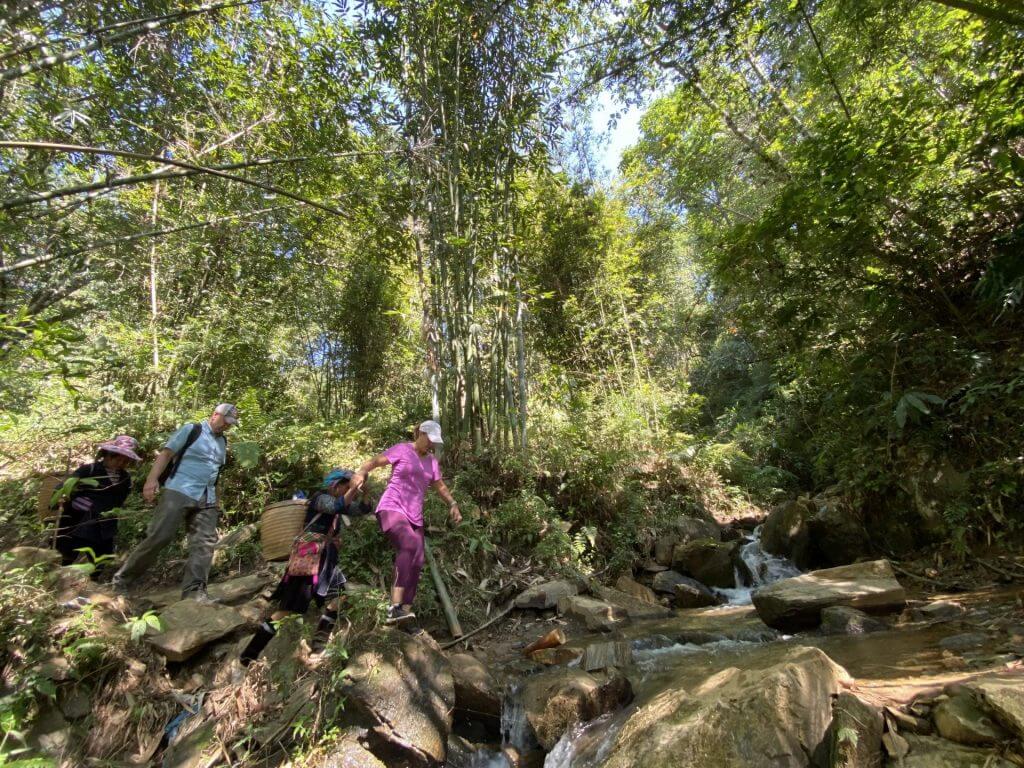
Bamboo forest near Giang Ta Chai village
Best Time of Year for Trekking Adventures
The landscapes of northern Vietnam change noticeably throughout the year, creating very different experiences for travelers exploring the mountains. Weather patterns, rice cultivation cycles, and seasonal scenery all influence what you will see along the trails. Because of this variety, Sapa can offer a completely different atmosphere depending on the time of your visit. Some travelers prefer the vibrant green landscapes of the growing season, while others come for the golden rice harvest or the quiet misty mountains of winter.
Rice Growing Season
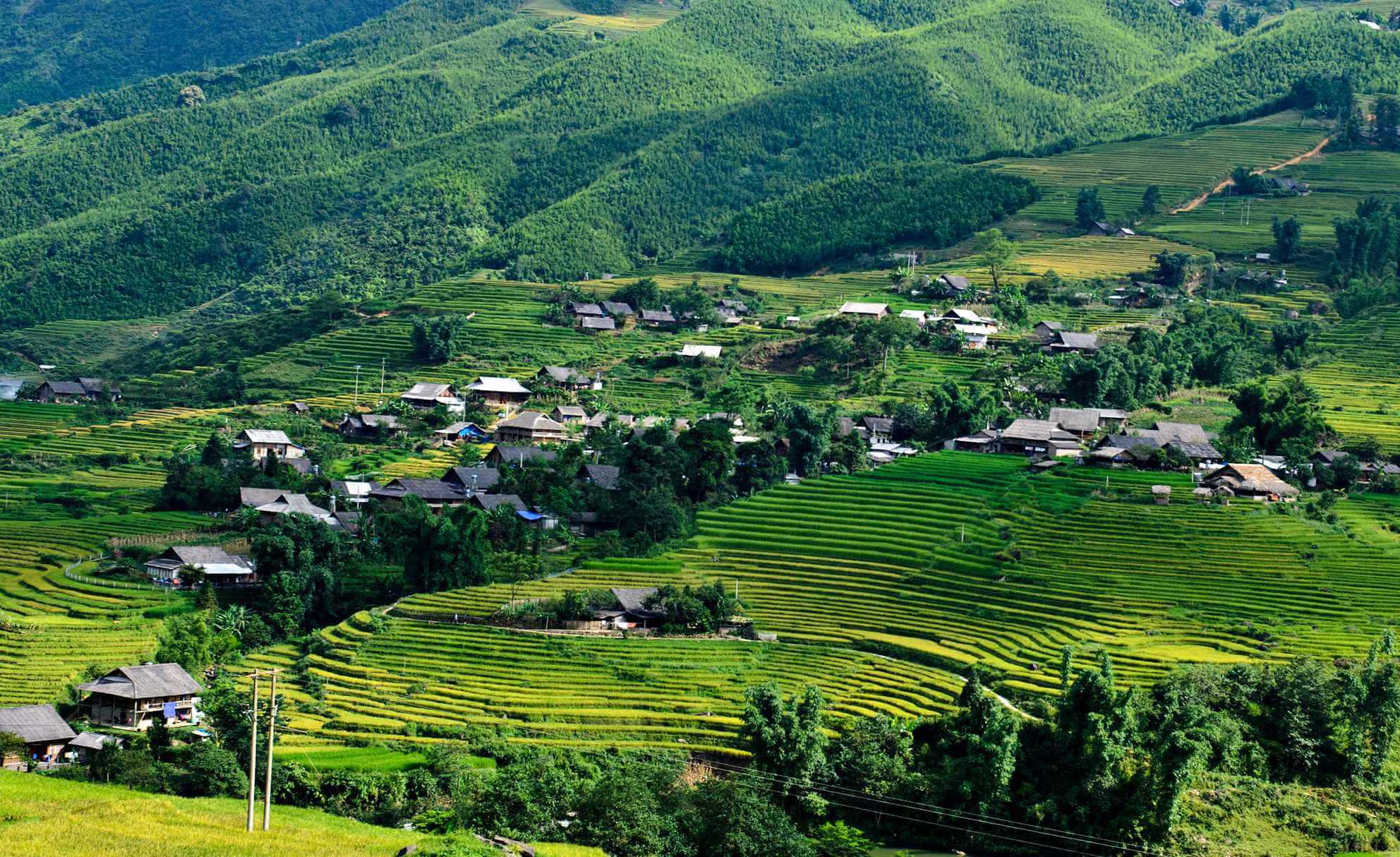
From around May to August, the rice terraces begin to fill with water and young rice plants gradually cover the valley in bright shades of green. During this period, Sapa trekking reveals lively landscapes where farmers work in the fields and water buffalo move slowly across the terraces. Rain showers are relatively common in these months, but they also keep the mountains fresh and vibrant. Trekkers often enjoy the peaceful feeling of walking through valleys where streams flow strongly and vegetation is at its most colorful.

Bright green rice terraces during the growing season
Harvest Season
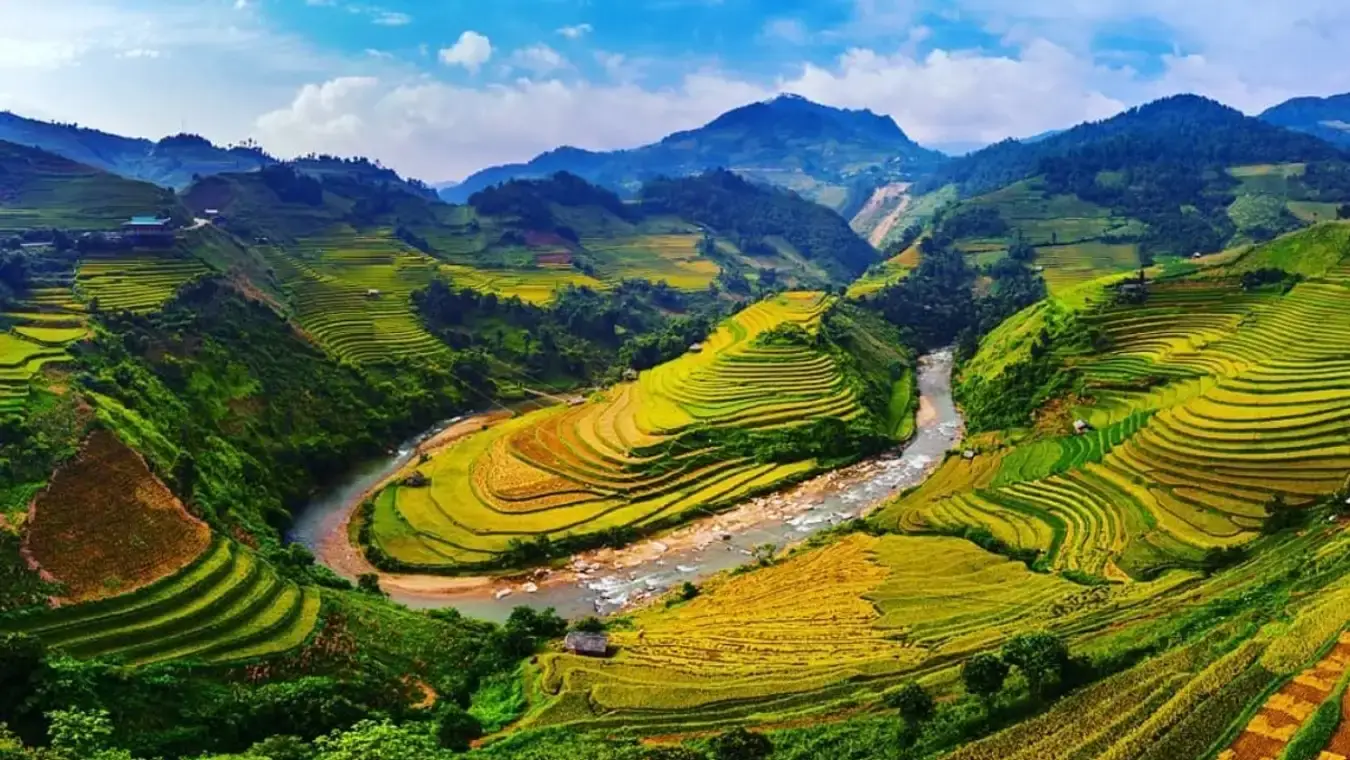
Between September and early October, the rice terraces reach their most famous appearance as the crops turn golden before harvest. Many travelers consider this the most beautiful time for Sapa trekking because the entire Muong Hoa Valley glows with warm colors under clear autumn skies. Farmers gather rice across the hillsides, creating a lively atmosphere in the villages. The weather during this season is usually cooler and drier, making it comfortable for longer walking routes.
Winter and Misty Landscapes
From November to February, temperatures drop and fog frequently drifts through the mountains. While the rice terraces are no longer green or golden, Sapa trekking in winter offers a peaceful and atmospheric experience. The mist can create dramatic scenery as clouds move slowly across valleys and mountain ridges. Trails are also quieter during this season, allowing travelers to explore villages and forest paths in a calm and less crowded environment.
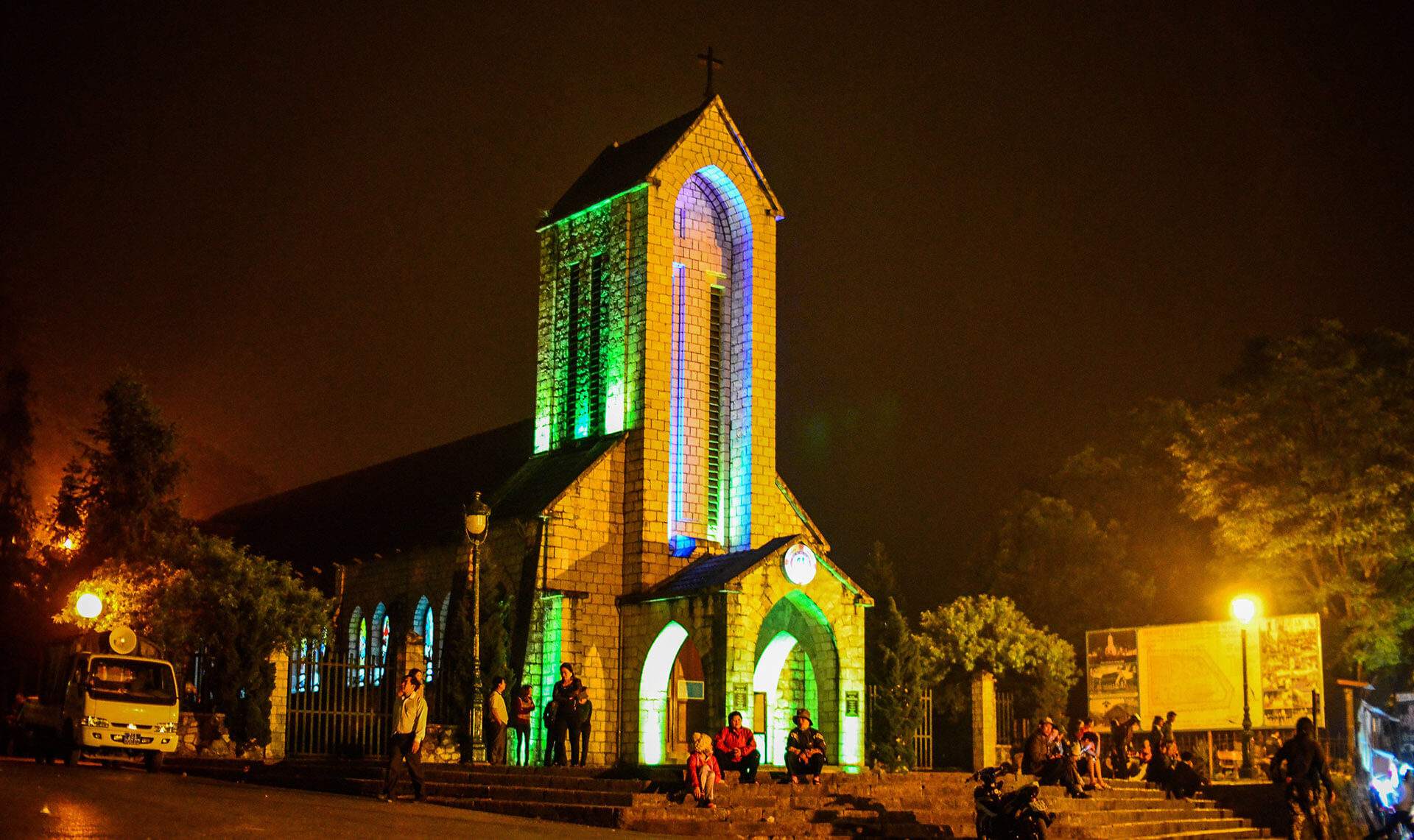
Many travelers who visit Cat Cat Village also choose to explore deeper parts of the Muong Hoa Valley through multi-day trekking adventures. These journeys allow visitors to discover remote ethnic villages, walk through endless rice terraces, and experience authentic mountain life. If you want to explore more trekking options, you can browse different Sapa 3 days 2 nights trekking tours that combine scenic hiking routes with local cultural experiences.
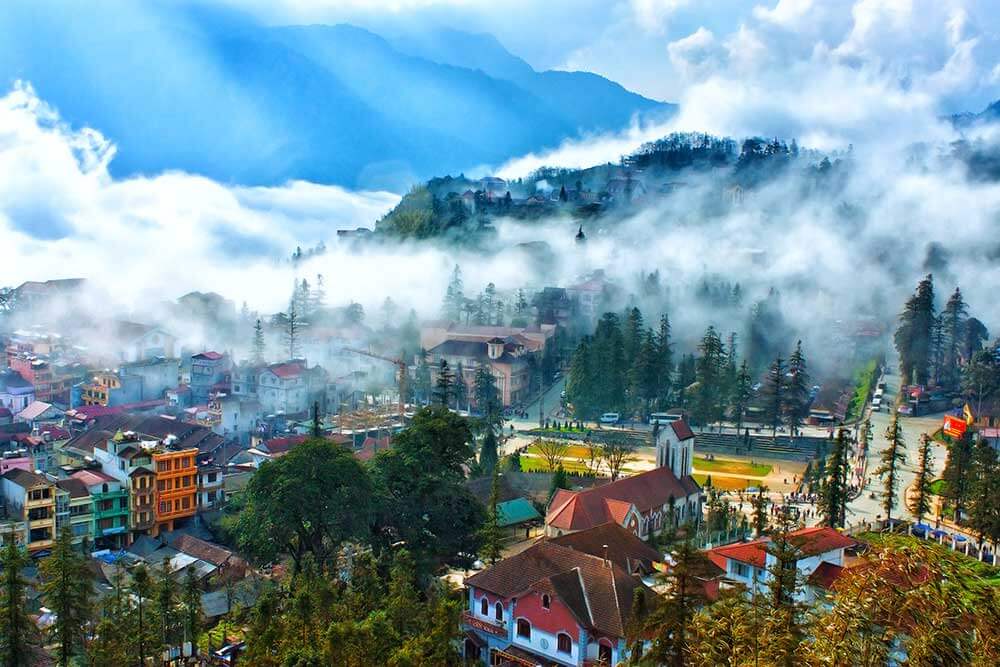
Misty mountain valley landscape in northern Vietnam
Practical Tips Before Starting Your Trek
Preparing properly before heading into the mountains can make a big difference in your overall experience. While many trails are accessible for beginners, the terrain, weather, and long walking distances still require some planning. A well-prepared traveler can enjoy Sapa trekking more comfortably while also staying safe on the trails. From choosing the right gear to understanding local conditions, a few simple preparations can help ensure a smoother journey through the valleys and villages.
Pack the Right Gear for Mountain Trails
One of the most important parts of trekking is bringing appropriate clothing and equipment. Comfortable trekking shoes with good grip are essential because some trails can become slippery, especially after rain. Lightweight clothing, a waterproof jacket, sunscreen, and a small backpack for water and snacks are also recommended. Many experienced travelers follow advice from a reliable Sapa trekking guide to ensure they bring the right gear for changing mountain conditions.
Consider Hiring a Local Guide
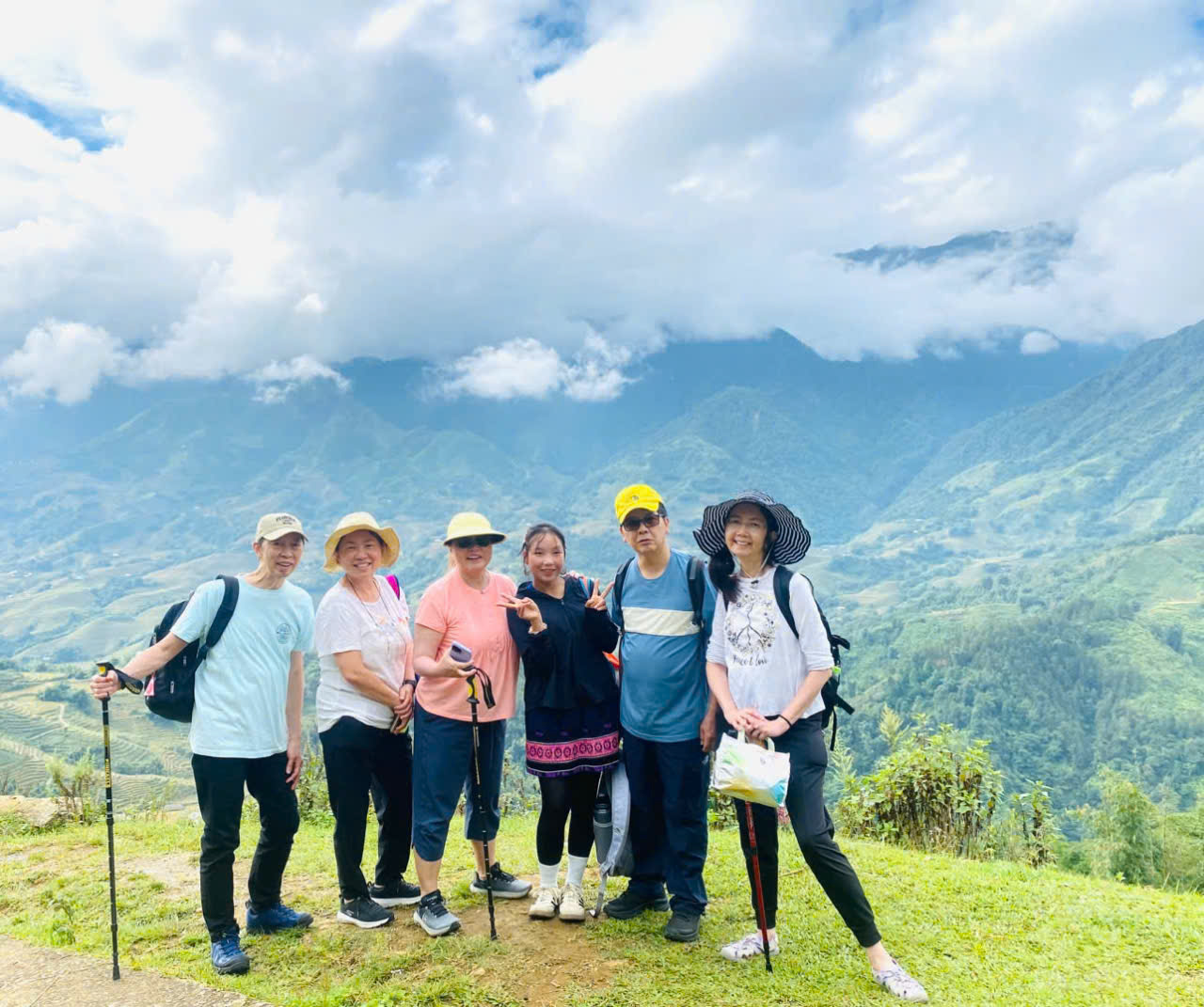
Although some trails are easy to follow, hiring a local guide can greatly enrich your experience. Local guides not only help with navigation but also share stories about village life, traditions, and the surrounding landscapes. They can introduce travelers to local families and explain cultural practices that might otherwise go unnoticed. Many Sapa trekking tour tips suggest choosing guided treks for longer or less familiar routes, especially when visiting remote villages.
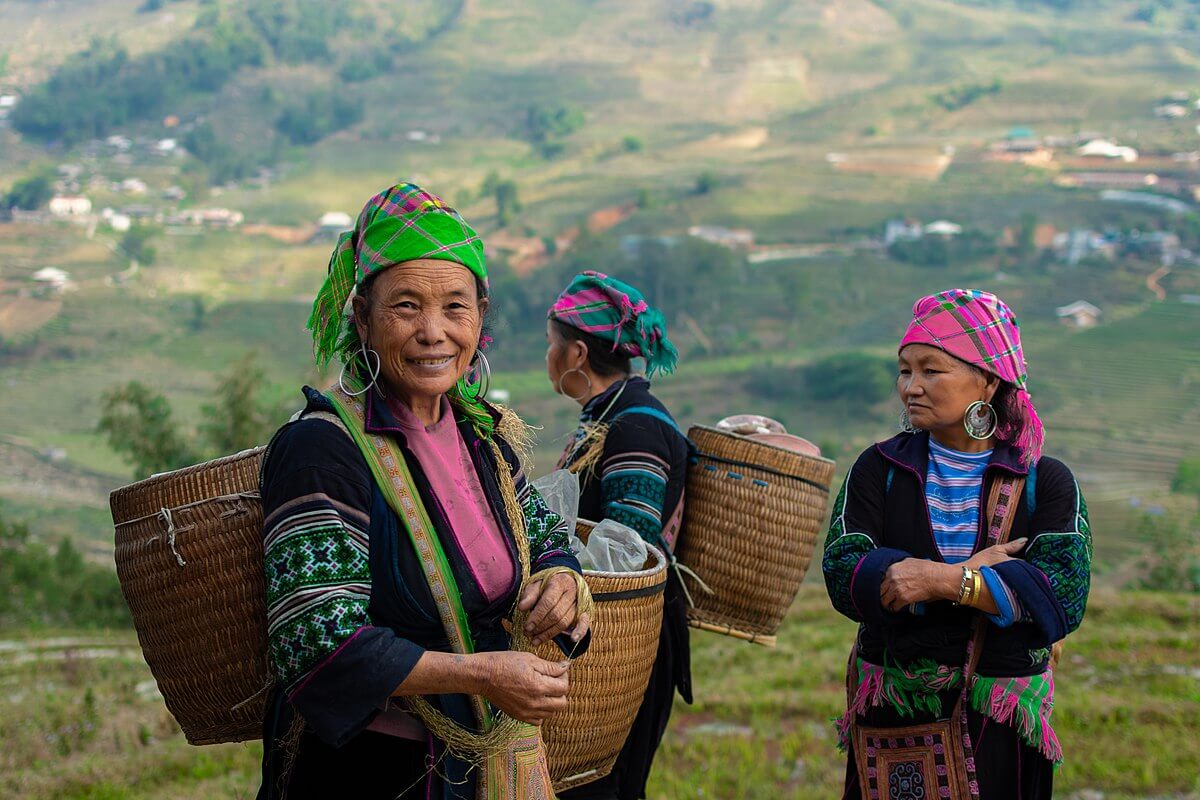
Hmong villagers in traditional clothing
Prepare Physically and Plan Your Route
Before starting your journey, it is helpful to understand how to prepare both physically and logistically. Even moderate routes may involve several hours of walking across uneven terrain. Travelers should plan their route based on available time, fitness level, and weather conditions. Drinking enough water, taking breaks along the way, and starting early in the morning can make Sapa trekking more enjoyable and less tiring.
Conclusion
Exploring the mountains of Sapa on foot offers travelers a unique way to experience northern Vietnam’s natural beauty and cultural richness. From scenic valley routes and traditional ethnic villages to seasonal landscapes that change throughout the year, trekking in this region reveals a side of Vietnam that cannot be seen from the road. With the right preparation, understanding of trail difficulty, and knowledge of the best seasons to visit, travelers can plan a journey that matches their interests and fitness level.
For those looking to fully experience the mountains, Sapa trekking provides an unforgettable adventure through rice terraces, forest trails, and welcoming local communities. If you want a smoother and more insightful journey, consider booking your trek with Sapa Local Tours, where experienced local guides can help you explore the region safely while discovering the authentic culture of the Sapa highlands.
Start planning your Sapa adventure with Sapa Local Tours and explore the mountains with confidence alongside knowledgeable local guides.
- Phone/WhatsApp: +84.878.256.777
- Email: info@sapalocaltours.com
- Address : No. 55 Bui Thi Xuan Street, Hai Ba Trung Ward, Hanoi City, Vietnam